
Last updated November 25, 2026
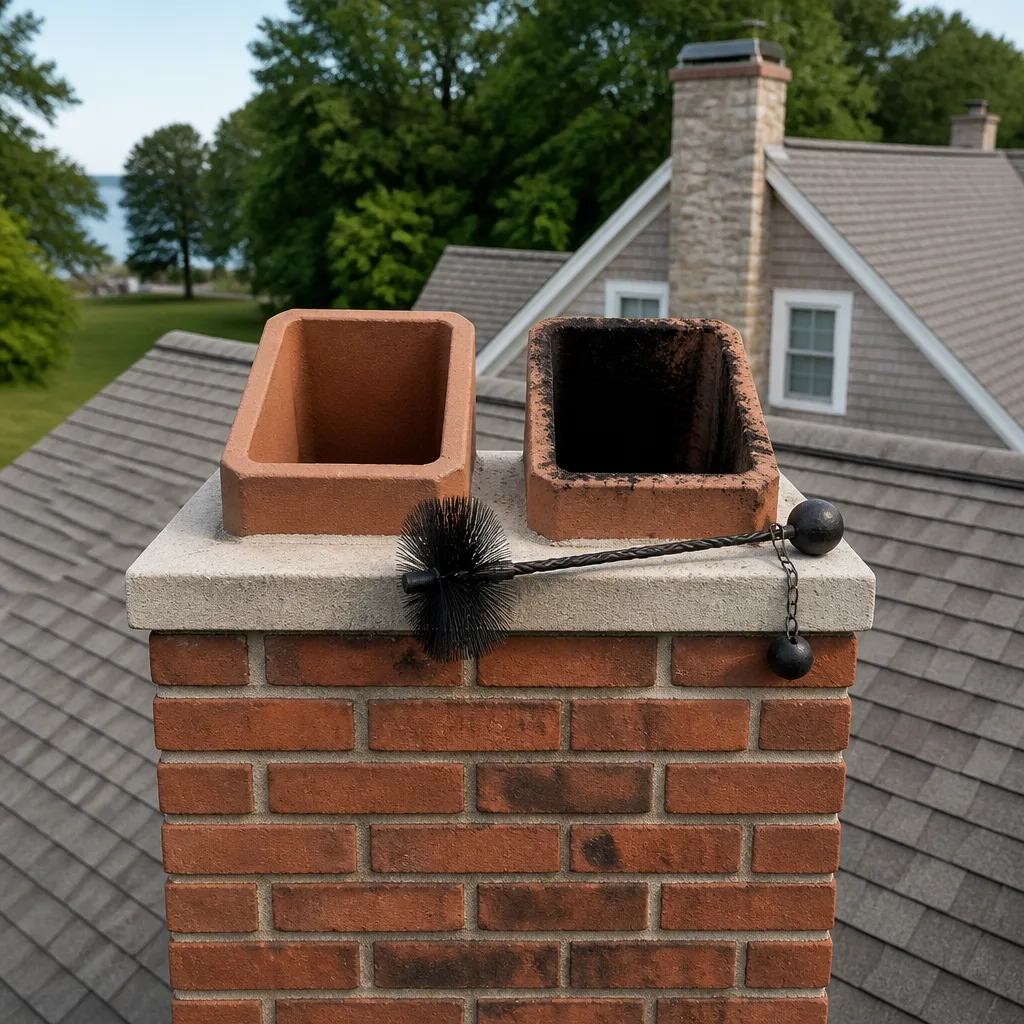 Sweep & inspection
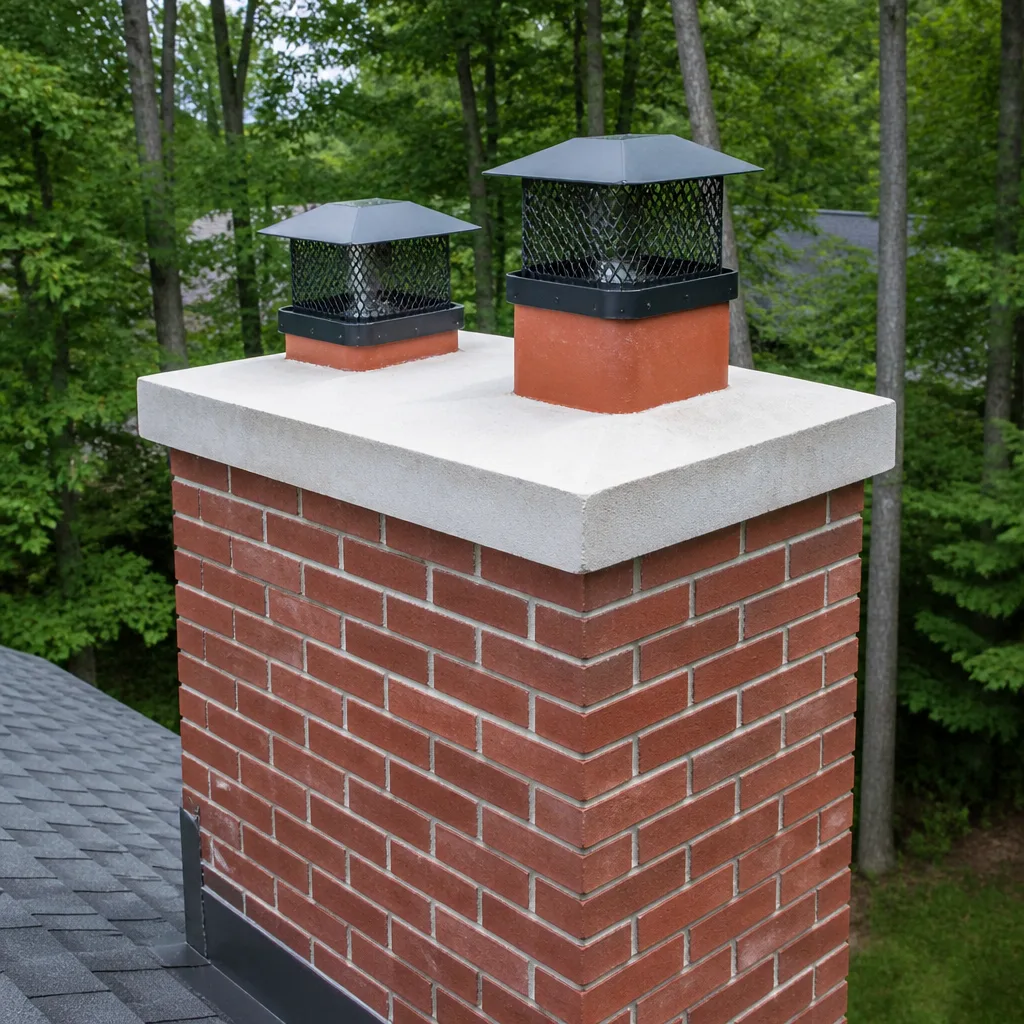 Caps & crowns
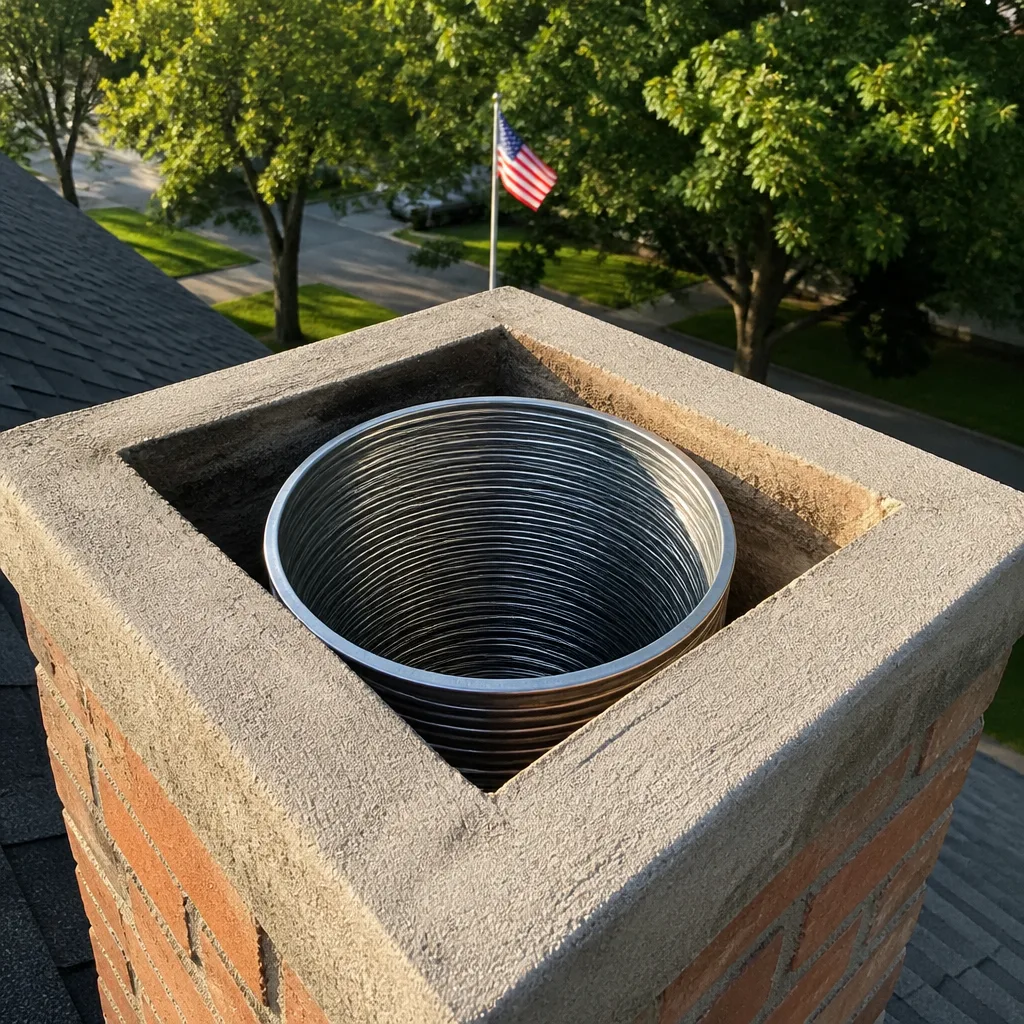 Flue relining
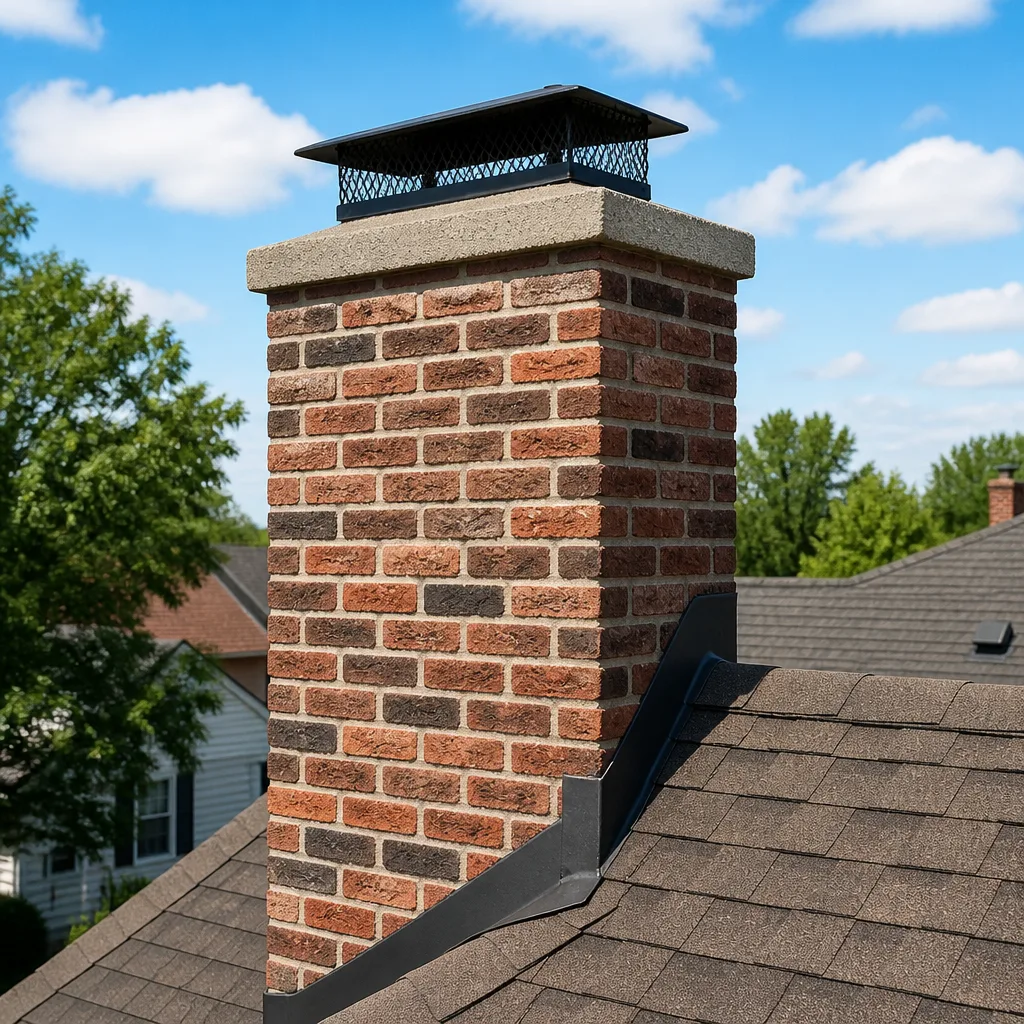 Masonry repair
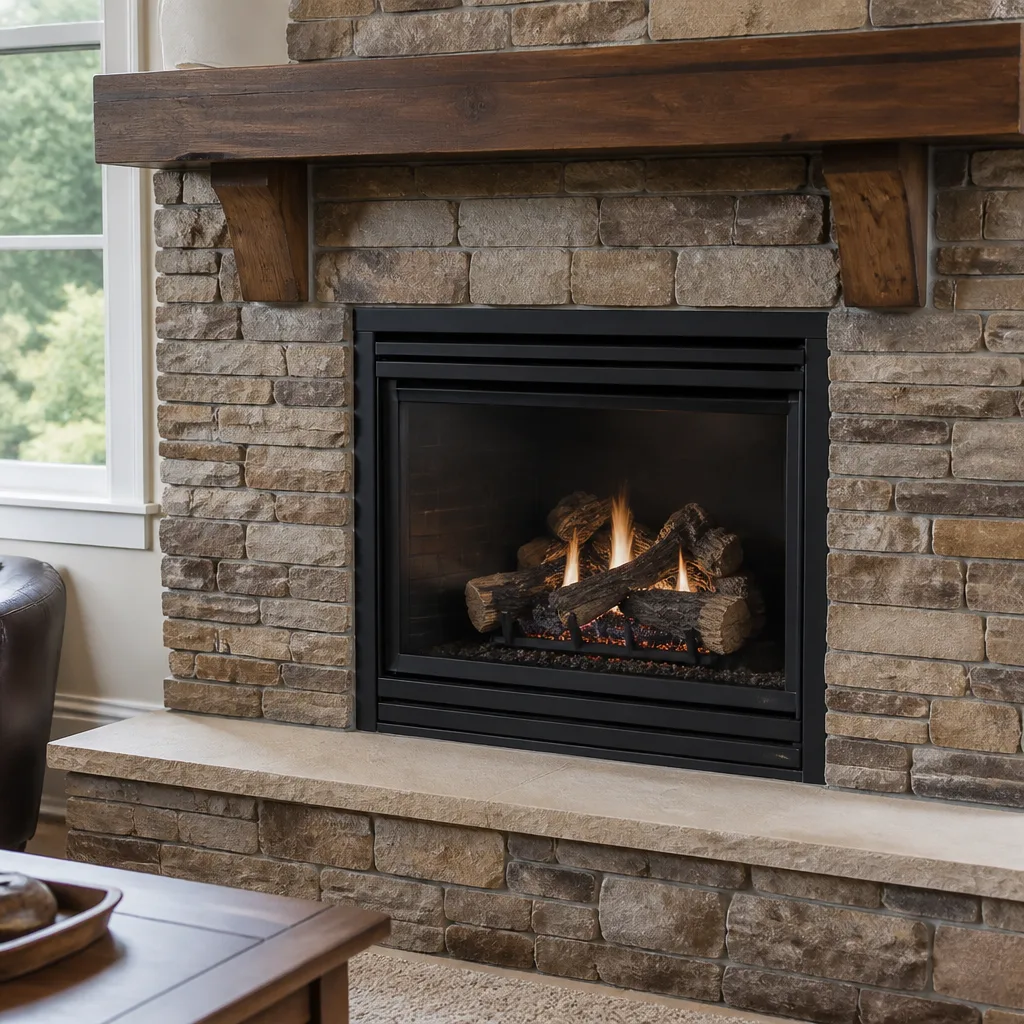 Gas fireplace service
Level 1 sweep and inspection to the NFPA 211 annual standard - flue, crown, cap, and flashing checked and photographed
Chimney sweep logs do not sweep chimneys. They loosen some creosote - which then falls where a brush and vacuum still have to collect it.
Chimney Cleaning Emergency Preparedness Guide for Lakewood Homes
Most people picture a chimney fire as something loud and obvious, flames licking out of the top of the house. What we’ve learned after years of sweeps is the opposite: a chimney fire often announces itself with a low rumble you might mistake for wind, a clicking in the flue, or nothing at all. By the time you can see fire from the ground, the flue liner may already be cracked past the point of safe use. That gap between what a chimney fire looks like and what it actually is has real consequences. This guide covers what to do if a fire starts, how to spot carbon monoxide intrusion before it becomes a crisis, and what to do before burning season to make sure neither scenario happens in your Lakewood home.
Quick Answer
The most important thing to know about chimney emergencies in Lakewood is that a chimney that “looks fine” after a fire or a storm is not the same as a chimney that is safe to burn in. If you suspect a chimney fire, close the damper, get everyone out, and call 911 – don’t open the damper to “let it burn out.” After any fire, even one that never touched the house, get a Level 2 inspection before using the fireplace again. If you smell gas or a metallic, headache-inducing odor near your fireplace, treat it as a potential carbon monoxide event and get out.
Styles & brands we work with
- Sweep & inspection
- Caps & crowns
- Flue relining
- Masonry repair
- Gas fireplace service
Table of Contents
- How to Spot a Chimney Fire Before It’s Obvious
- What to Do (and Not Do) If a Chimney Fire Starts
- After a Chimney Fire: Why the Chimney Isn’t Safe Again Without a Level 2 Inspection
- Carbon Monoxide and Your Chimney: The Silent Scenario
- What Emergency Chimney Services in Lakewood Cover (and Don’t)
- Pre-Season Preparation Protocol
- When to Call vs. When to Wait
How to Spot a Chimney Fire Before It’s Obvious
A chimney fire doesn’t have a single signature. Veteran chimney technicians learn to recognize the range – and in our experience, homeowners often describe a fire they didn’t realize they had until the sweep arrived. Here’s what to watch for:
- A low, rumbling sound like a distant freight train or rolling thunder inside the chimney – this is the most common “we didn’t know” symptom.
- Clicking or crackling that continues after you’ve stopped adding wood.
- A hot chimney pipe or a smell of hot metal near the flue.
- Dense smoke or flames escaping the top of the chimney.
- Pieces of creosote on the roof or in the yard – these can look like blackened flakes.
- A sudden draft change or a fireplace that stops pulling smoke mid-burn.
- Popping sounds that seem to come from within the chimney rather than the firebox.
What makes chimney fires dangerous is that a small, slow fire can sit in a flue for a long time before anyone notices. A single fire is enough to warp a metal liner or crack a masonry flue – damage that doesn’t announce itself in any obvious way. That’s why a professional chimney sweep does more than scrape out soot: it’s a chance to check the flue before a small issue becomes an emergency. In Lakewood’s warm-weather climate, burn season runs shorter than in colder regions, but creosote still builds between cleanings, and short burning seasons sometimes mean a chimney gets skipped for a year or two without anyone noticing.
What to Do (and Not Do) If a Chimney Fire Starts
The correct sequence for a suspected chimney fire is simple and counterintuitive, which is exactly why so many homeowners get it wrong. The single biggest mistake is opening the damper to “let it burn out” – this feeds oxygen to a fire inside a flue and can make it dramatically worse.
Follow this sequence:
- Close the damper. Cutting oxygen to the fire slows it and keeps hot gases from entering the room.
- Get everyone out of the house. No exceptions for pets or belongings.
- Call 911. Even if you think you’ve contained it. Chimney fires can travel into wall cavities, and only a fire crew can confirm the fire is truly out.
- From a safe place outside, watch the top of the chimney. Report visible smoke, sparks, or flames to dispatch when they arrive.
- Don’t re-enter until the fire department tells you it’s safe. Even a small fire can compromise the structure.
What never to do:
- Don’t open the damper in an attempt to “burn it out faster.”
- Don’t spray water down the flue from inside the house. The thermal shock can crack a hot flue liner.
- Don’t try to put out a chimney fire with a fire extinguisher aimed up the flue. It’s ineffective and puts you closer to the fire.
- Don’t assume it’s out just because the noise stopped. Chimney fires can re-ignite in the hours after.
For larger safety questions that involve the full system, a dedicated Lakewood Chimney Sweep Pros visit gives you the full picture of how your chimney is built and how it should behave under normal conditions – information you won’t have time to gather in an emergency.
After a Chimney Fire: Why the Chimney Isn’t Safe Again Without a Level 2 Inspection
A chimney that survives a fire without visible house damage is not a chimney that’s safe to burn in again. That’s the single most common misconception we run into. The fire department may have confirmed the house is not on fire, but that’s a different question from whether the flue liner, the smoke chamber, and the surrounding structure can still contain combustion gases safely.
This is why a Level 2 inspection is required after any suspected chimney fire, before the fireplace is used again. A Level 2 inspection goes beyond a visual look from the firebox. It includes:
- A video scan of the liner to look for cracks, gaps, warped metal, or missing mortar joints.
- Examination of the smoke chamber – a sloped area between the firebox and flue that collects creosote and can crack in a hot fire.
- A look at the chimney exterior and crown for cracks that could allow water into the masonry.
- Checks of the cap and spark screen – components often damaged or missing after a fire.
- Assessment of nearby combustibles in the attic or wall cavities adjoining the chimney.
Some liners survive a small fire with no visible damage. Others need spot repair. Some need full replacement with a product like DuraFlex – a professional-grade liner system designed for this exact application. The point is you don’t know which scenario you’re in until someone looks, and guessing is not a strategy.
One more piece worth knowing: HeatShield restoration is an option when the flue has minor cracks that don’t justify a full liner replacement. It’s a resurfacing product that many sweep-only providers can’t apply because they don’t carry the equipment or the products. We use HeatShield as part of our liner restoration work, which means we’re not automatically recommending a full replacement the moment we see a hairline crack.
Carbon Monoxide and Your Chimney: The Silent Scenario
Carbon monoxide intrusion through a chimney is the emergency you can’t see and can’t smell, and it’s far more common after storm debris or bird nests block a flue. When exhaust can’t go up, it goes somewhere – and that somewhere is usually back into the living space through the fireplace opening, a cracked liner, or a disconnected flue pipe.
Symptoms to watch for in anyone near the fireplace or in sleeping areas:
- Headache that gets better when you leave the house and returns when you come back
- Dizziness, nausea, or fatigue without an obvious cause
- Confusion or difficulty concentrating in the evening
- Shortness of breath even at rest
- Pets showing symptoms first – smaller animals are affected faster
- A strange, metallic or smoky odor in rooms near the fireplace that wasn’t there before
If you suspect CO intrusion, get everyone out and call 911 from outside. Don’t try to diagnose the problem inside. Once everyone is safe, the next step is a professional inspection of the flue, cap, and smoke chamber. A blocked cap screen or a bird nest is fixable; a cracked liner behind it may need repair.
A working carbon monoxide detector isn’t optional – this is the single piece of equipment that catches CO before symptoms do. Place one near the fireplace, one outside each sleeping area, and one on every level of the home. Test them at the start of every burn season, and replace batteries on the same schedule.
What Emergency Chimney Services in Lakewood Cover (and Don’t)
Homeowners often call expecting “emergency chimney service” to mean full repairs at any hour. In practice, emergency chimney services cover a specific and limited set of tasks – the ones that need to happen within hours, not days, to make the home safe. Here’s the honest breakdown:
What emergency service covers:
- Temporary cap replacement after storm damage – so rain and debris don’t keep pouring into the flue
- Clearing a blocked flue from a bird nest, animal, or debris that’s causing smoke backup or CO risk
- Emergency smoke chamber sealing if the fire department has flagged a gap
- Post-fire inspection to confirm safety before any use
- Diagnosing acute smoke backup – so you know whether the problem is a blockage, a damper, or structural
What it doesn’t cover:
- Full liner replacement (needs a scheduled appointment and materials)
- Masonry rebuilds or full chimney reconstruction
- Firebox rebuilding or fireplace refacing
- Insurance-mandated documentation, which usually involves the fire marshal
Here’s where knowing who to call matters:
- Call 911 first if there’s active fire, smoke in the house, or a suspected CO event.
- Call your fire marshal if you need an official determination for insurance, after a fire, or after the fire department has responded to your home.
- Call a chimney specialist for blockages, damaged caps, post-fire inspection, or smoke backup you can’t identify.
We answer 24/7. Fast dispatch from 7am to 7pm, Sunday through Friday. If you call outside dispatch hours, the call is booked into the next opening. Temporary cap replacement is a common emergency task; for permanent repairs, we schedule the work and confirm the price in writing before it starts.
Pre-Season Preparation Protocol
The best time to prevent a chimney emergency is before the first cold week of the season. This protocol takes about an hour and covers the highest-value checks.
- Check the cap and screen. Look at the top of the chimney from the ground with binoculars. Confirm the cap is intact and the spark screen isn’t rusted through or missing. If it’s damaged, schedule a chimney cap & crown inspection before the first burn.
- Test the damper. Open and close it slowly. It should move smoothly without sticking or scraping. A damper that won’t seal closed can cause heat loss and drafts; one that won’t open is a smoke hazard.
- Look for signs of wildlife. Birds, squirrels, and raccoons love open flues. A blocked flue is a CO event waiting to happen. Listen for scratching or chirping near the firebox in the early morning hours.
- Check the firebox. Look for loose bricks, gaps in the mortar, or white chalky stains (efflorescence) that can indicate moisture getting into the masonry. Small issues in the firebox become larger issues over a season.
- Place CO detectors correctly. One near the fireplace, one outside each sleeping area, one on every level. Test each one and replace the batteries.
- Schedule a professional sweep. A certified sweep checks the flue interior with a camera, confirms the liner’s condition, and clears creosote before it becomes fuel for a fire. Even if you haven’t burned much, a yearly inspection is the cheapest insurance on the whole system.
On that last point, if your fireplace has visible damage – cracked firebrick, a damaged grate, or a damper that’s stuck – a fireplace repair visit before burn season is a good way to resolve the problem while the waiting list is short, not in the middle of an emergency.
A quick note on what the fireplace itself should look like when it’s running well: steady draft, no smoke spilling into the room, no lingering smell of creosote when the fire is out. If any of those are off, that’s an early signal to get the chimney looked at before the first cold snap.
When to Call vs. When to Wait
Not every chimney problem is an emergency. Knowing the difference saves you a midnight worry spiral – and it means you act quickly when it matters.
Call now (same day):
- Any suspected chimney fire, past or present
- Smoke backing into the room and not clearing
- A strong chemical or metallic smell near the fireplace
- Signs of CO symptoms in the household
- Visible damage to the cap or crown after a storm
- Birds or animals trapped in the flue
Schedule soon (within days):
- A chimney that needs its annual sweep
- Minor smoke backup that happens only during ignition
- Loose mortar in the firebox or a damper that’s sticking
- A rusted spark screen or a cap that’s slightly loose
- Any question about liner condition before burn season
Can wait for a scheduled appointment:
- Cosmetic chimney issues
- A fireplace you don’t plan to use this season
- Aesthetic upgrades to a functioning system
Lakewood Chimney Sweep Pros offers free estimates in Lakewood – call (888) 839-3160. We answer 24/7. Fast dispatch from 7am to 7pm, Sunday through Friday. If a call comes in outside dispatch hours, we book it into the next opening. We don’t upsell repairs – if the flue is fine, we’ll tell you so and schedule the next sweep for the following season.
Common Mistakes to Avoid
- Opening the damper during a chimney fire. This is the single most common and most dangerous mistake. It feeds oxygen to a fire you can’t see and can turn a contained chimney fire into a full structural fire.
- Assuming “it looks fine” means it is fine. A chimney that survived a fire can be structurally compromised in ways only a video inspection reveals. Skip the Level 2 inspection and you’re burning into a system you haven’t actually verified.
- Skipping the annual sweep because “we barely burned this year.” In Lakewood’s shorter burn season, one skipped year adds up to two. Creosote doesn’t care how often you burned.
- Ignoring a damaged cap after a storm. A missing cap lets rain, leaves, and animals in. A damaged spark screen lets embers escape. Both are small repairs that become urgent ones if left alone.
- Placing the CO detector only in the kitchen. The fireplace is the room where CO intrusion actually happens. Detectors belong near the fireplace and outside the sleeping areas, not only in the kitchen.
- Calling a general handyman for chimney work. Chimneys are a specialty. A handyman can clean a flue, but they can’t assess liner condition, apply HeatShield, or tell you whether the smoke chamber has failed. A generalist tradesperson is not the same as a chimney specialist.
- Treating the fire marshal as a substitute for a chimney inspection. The fire marshal confirms the fire is out and the home is safe to reenter. They don’t assess the liner’s future condition. Those are two different jobs.
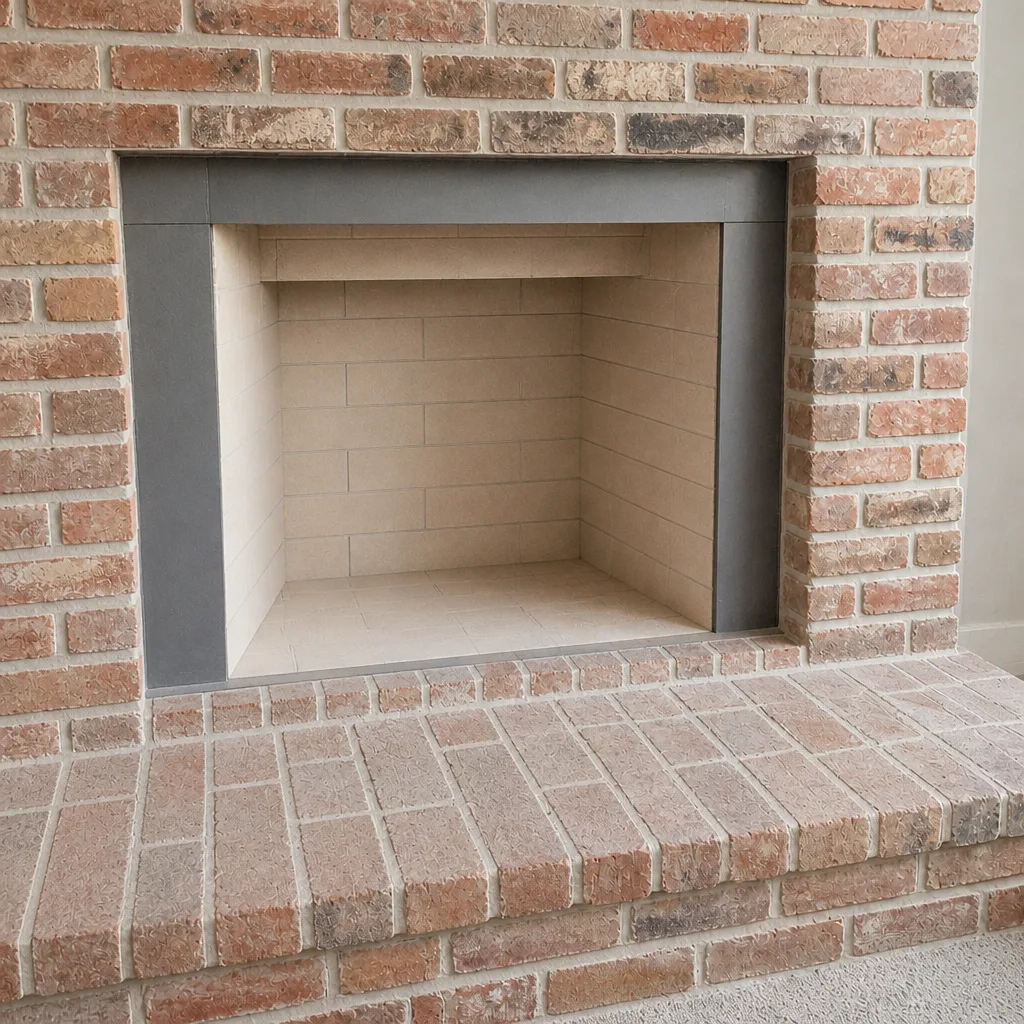
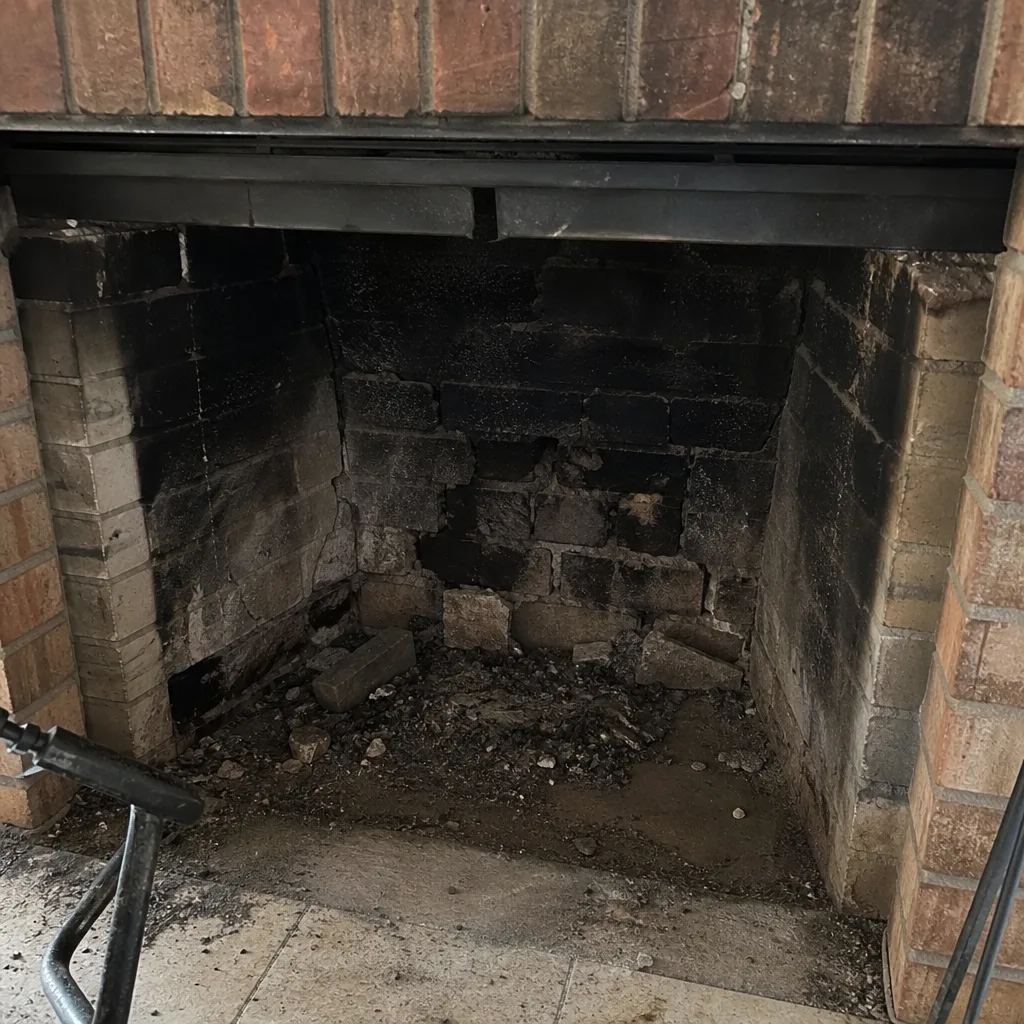
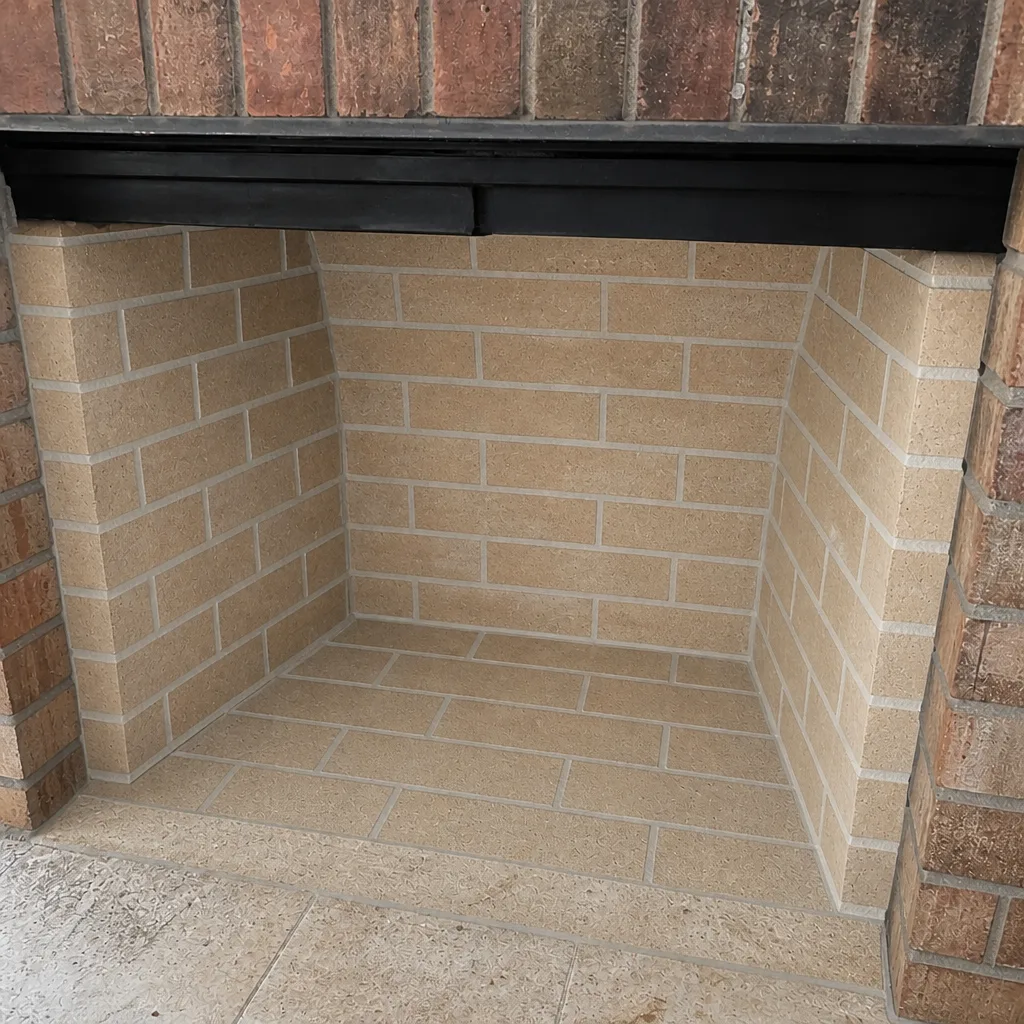
See the difference
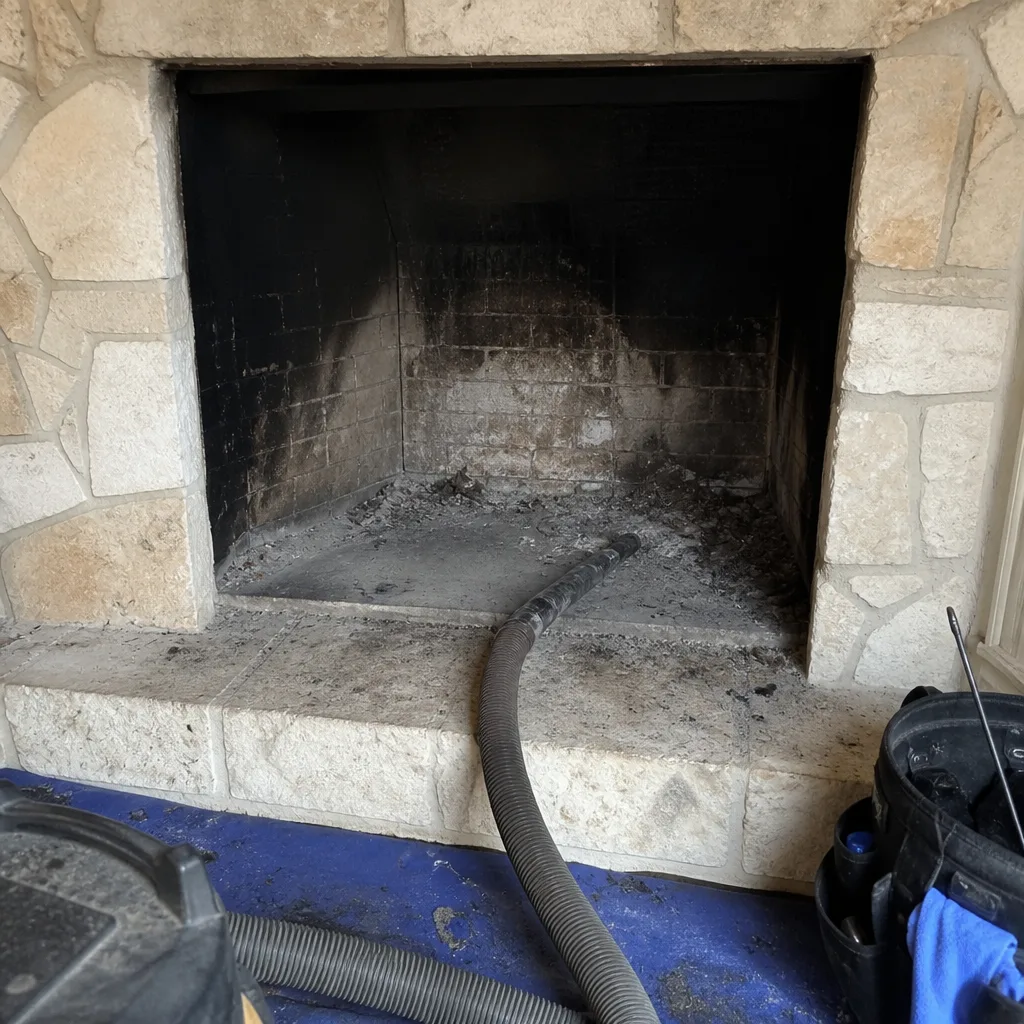 Before
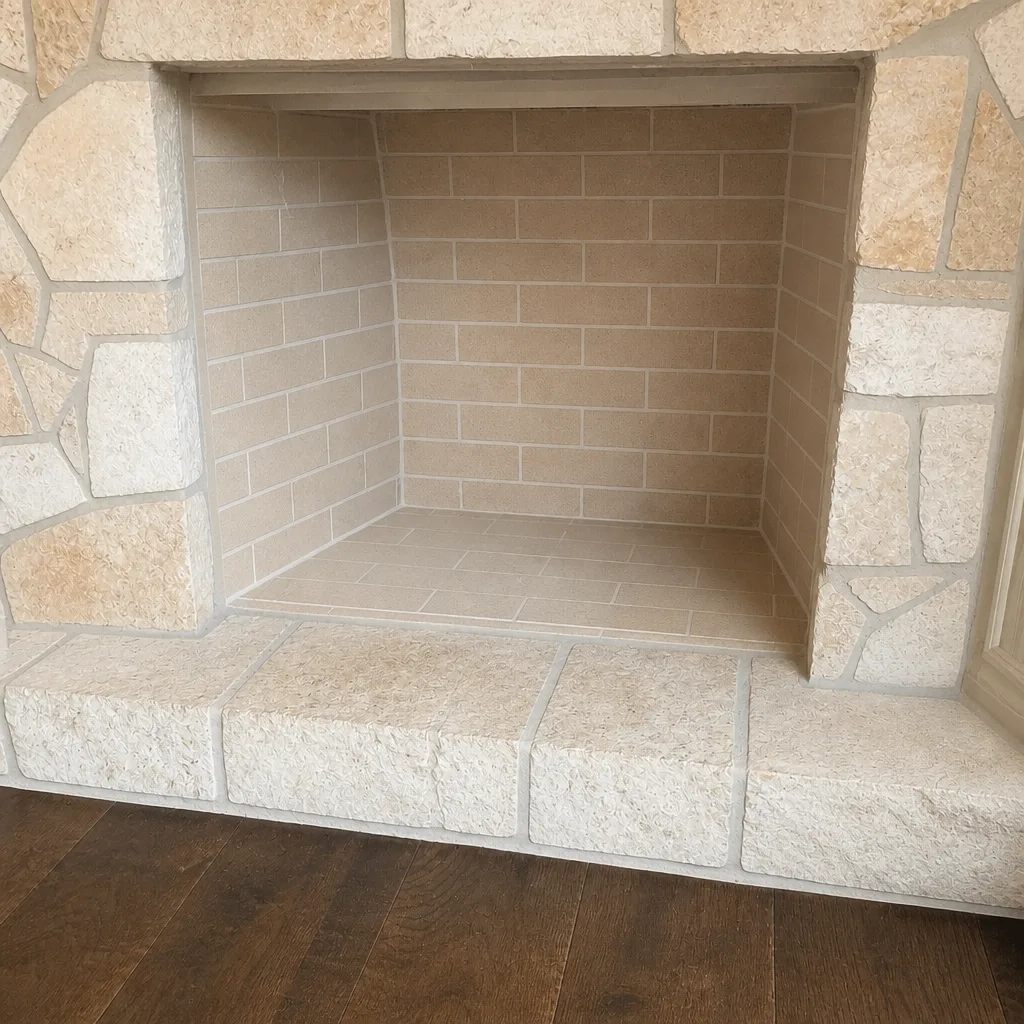 After
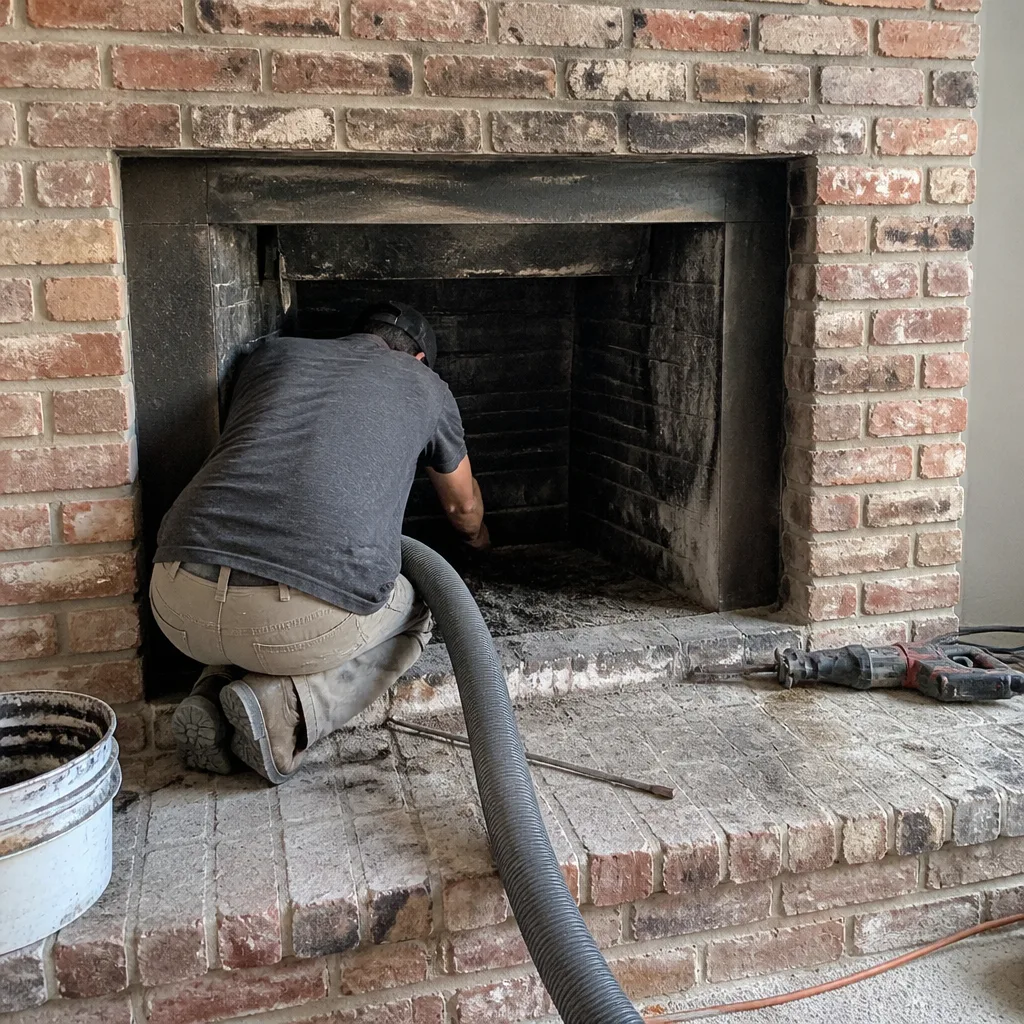 Before
 After
 Before
 After
When to Call a Professional
Call a professional chimney specialist if you’ve had a fire (even a small one), if you smell something unusual near the fireplace, if you see smoke backing into the room, or if it’s been more than a year since your last sweep. Call if you see damage to the cap or crown after a storm – a temporary cap replacement is a small job today and a much bigger one next spring. Call if you’re unsure whether your flue is blocked. And call if you’re buying a home with a fireplace, since you need to know its actual condition before you close. Lakewood Chimney Sweep Pros offers free estimates in Lakewood – call (888) 839-3160. We answer 24/7. Fast dispatch from 7am to 7pm, Sunday through Friday. A trained professional handles every inspection and every repair, so nothing gets handed off or ignored.
Frequently Asked Questions
Close the damper first, then get everyone out of the house, then call 911 from outside. Closing the damper cuts oxygen to the fire inside the flue and helps keep hot gases from entering the room. Do not open the damper to “let it burn out” – that’s the most dangerous mistake homeowners make during a chimney fire. Even if the fire seems small, call 911 and stay outside until the fire department confirms it’s safe to return. Call (888) 839-3160 for an inspection once the fire department has cleared the home.
Yes, always, even if the house never caught fire and the fire department said everything looked fine. A Level 2 inspection uses a camera to look inside the liner, examine the smoke chamber, and check the crown and cap for damage that isn’t visible from the firebox. Small cracks and gaps after a fire are common – and they’re the pathway for carbon monoxide intrusion on the next burn. Skip the inspection and you’re burning into a flue you haven’t actually verified. Call (888) 839-3160 to schedule a post-fire inspection.
Headaches that improve when you leave the house and return when you come back are the most common sign, along with dizziness, nausea, and fatigue that don’t have an obvious cause. A metallic or smoky odor near the fireplace that wasn’t there before is another signal. Pets often show symptoms before people do. If you suspect CO, get everyone out and call 911 – don’t stay inside to diagnose it. A blocked flue, a bird nest, or a cracked liner are all common causes. Call (888) 839-3160 to have the flue checked once everyone is safe.
Once a year for most homes, and more often if you burn frequently or notice draft problems between cleanings. Lakewood’s warm climate shortens the burn season, which means it’s easy to skip a year by accident and end up two seasons behind. A yearly sweep is also your annual chance to catch liner or cap damage before it becomes an emergency. If it’s been more than a year, or you’ve never had the chimney looked at in this home, call (888) 839-3160 to schedule a sweep.
A sweep cleans the flue; an inspection evaluates its condition. A sweep clears creosote – that’s a maintenance task. An inspection uses a camera and a full-system assessment to tell you whether the liner, smoke chamber, crown, and cap are actually sound. Most yearly visits include both. If you’ve had a fire, notice smoke backup, or are buying a home, you need the inspection, not just the sweep. Call (888) 839-3160 and we’ll tell you what your specific chimney needs.
Not safely until a Level 2 inspection confirms the liner is intact. A house with no structural damage can still have a compromised flue liner, a cracked smoke chamber, or a warped metal insert – all of which can fail on the next burn. The fire department confirming the house is safe is a different question from whether the chimney is safe to use. Get the inspection first. That’s the difference between knowing your chimney is safe and hoping it is. Call (888) 839-3160 to schedule the inspection before your next burn.
The Bottom Line
Chimney emergencies are rare in Lakewood, but they’re not zero. The three that matter most are chimney fires, CO intrusion, and post-storm damage – and each one has a short window where preparation pays off more than reaction. Know the signs of a fire (they’re quieter than you think). Know the sequence if one starts (close the damper, get out, call 911). Get a Level 2 inspection after any fire, even a small one. Keep CO detectors near the fireplace and in sleeping areas. Check the cap and damper before burn season. And if a storm leaves the cap damaged or the flue blocked, call a chimney specialist early rather than waiting until it becomes an emergency.
Our technicians have up to 12 years of experience across the full range of chimney work – sweep, inspection, cap and crown, fireplace repair, and structural repair – using professional-grade products like DuraFlex, HeatShield, Olympia Chimney, Famco, and Copperfield. When we look at a chimney, we’re assessing the whole system, not just cleaning one part of it. That’s how you make sure the flue you’re burning into is actually safe.
Call (888) 839-3160 for a free estimate. We answer 24/7. Fast dispatch from 7am to 7pm, Sunday through Friday. The written estimate sets the final price, and nothing is recommended without camera evidence you can see for yourself. If the chimney can safely wait, we’ll tell you that too.
Written by the team at Lakewood Chimney Sweep Pros.