
Last updated November 25, 2026
 Sweep & inspection
 Caps & crowns
 Flue relining
 Masonry repair
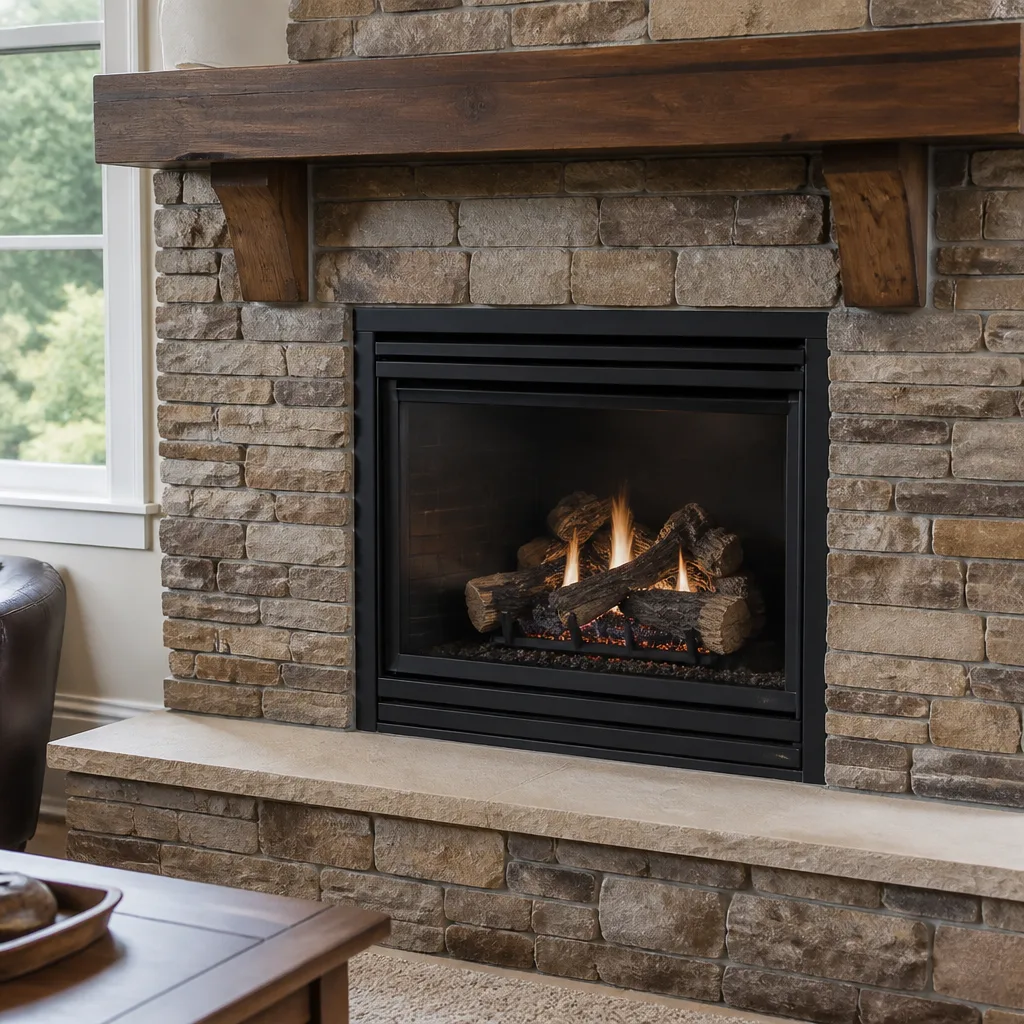 Gas fireplace service
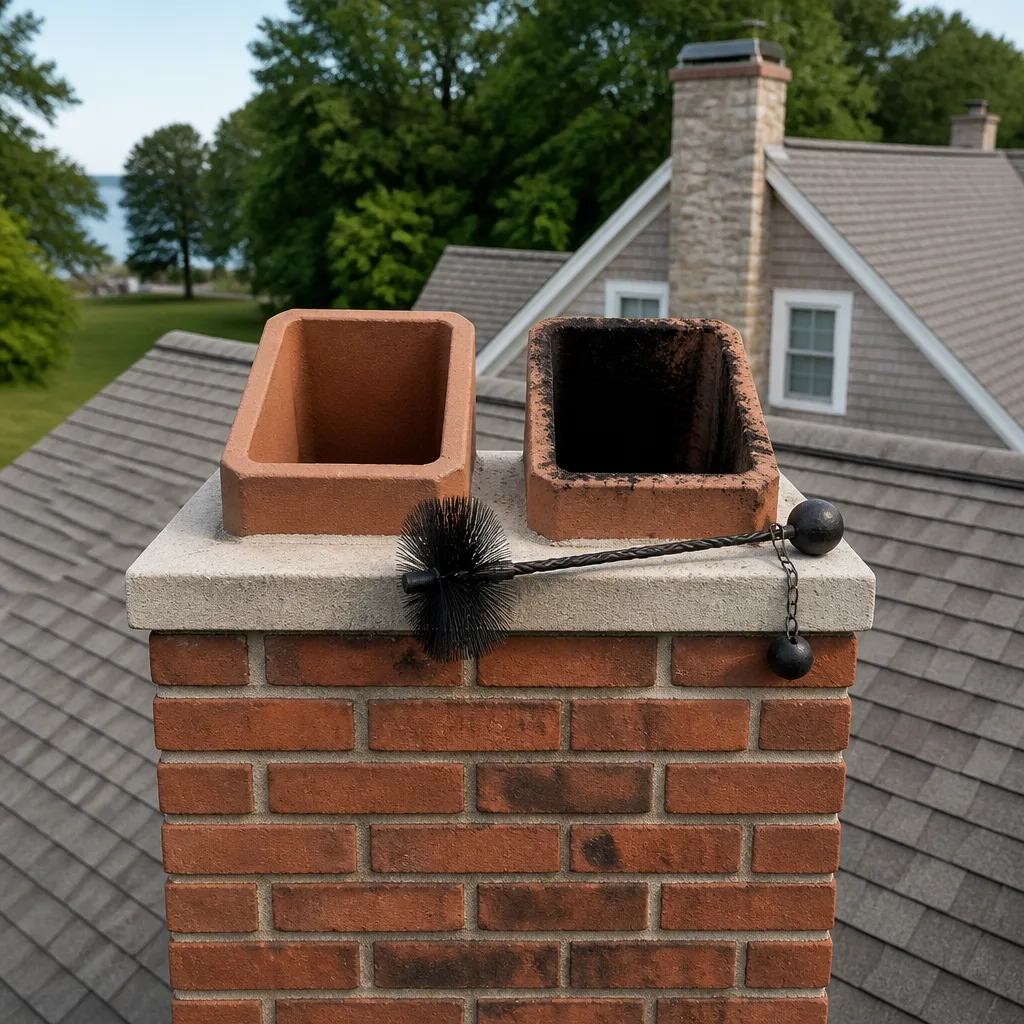
Level 1 sweep and inspection to the NFPA 211 annual standard - flue, crown, cap, and flashing checked and photographed
Chimney sweep logs do not sweep chimneys. They loosen some creosote - which then falls where a brush and vacuum still have to collect it.
Chimney Sweep Maintenance Checklist for Lakewood Homeowners
The most dangerous item on most chimney checklists isn’t creosote. It’s the crown. Here in Lakewood, a masonry crown can crack quietly through a long, hot Texas summer, and that hairline crack lets water into the flue structure weeks before anyone lights the first fire of fall. By the time a homeowner smells smoke or sees a stain, the damage started months earlier. A generic national checklist won’t warn you about that, because it wasn’t written for our climate. This guide is. Below we lay out a chimney maintenance calendar calibrated to North Texas heat, humidity swings, and storm season, with owner-observable checks separated from the work only a trained technician should touch. You’ll learn what fails here, when it fails, and how to build a schedule around how much you actually burn.
Quick Answer
For most Lakewood homes, chimney maintenance means four things: an annual professional inspection and sweep before the first fire of fall, an owner check of the cap and crown after summer, a flue check mid-winter if you burn heavily, and a debris assessment after any major storm. The single most overlooked item is the crown, which cracks from heat and sun exposure and lets water ruin the flue from the inside. Frequency should follow use: seasonal burners need one annual sweep, while weekly winter users need an inspection twice a season.
Styles & brands we work with
- Sweep & inspection
- Caps & crowns
- Flue relining
- Masonry repair
- Gas fireplace service
Table of Contents
- Why a Lakewood Checklist Beats a National One
- The Lakewood Seasonal Maintenance Calendar
- What You Can Check Yourself (and What You Shouldn’t)
- The Failure Modes We See Most in North Texas
- Frequency by Use: How Often Is Often Enough?
- What a Professional Sweep and Inspection Actually Covers
- The Cap and Crown: Your First Line of Defense
- Which Skipped Steps Void Professional-Grade Warranties
Why a Lakewood Checklist Beats a National One
Most chimney maintenance advice floating around the internet was written for a climate with four distinct seasons and months of freezing weather. That isn’t Lakewood. Our winters are mild, our summers are long and punishing, and our chimney systems age along a different curve. The forces that break down a chimney here are solar heat, wide humidity swings, and the wind-driven debris of storm season, not months of deep freeze.
That difference changes what you check and when. In a cold climate, the worry is freeze-thaw splitting masonry. In Lakewood, the worry is a masonry crown baking in the sun all summer, expanding and contracting through thermal cycling, and cracking before the weather turns. The water that gets in through those cracks does its damage in the humid weeks after a storm, rotting the flue lining and eroding mortar joints from the inside out. A checklist that only says “get a sweep before winter” misses the whole first half of the story.
We build our maintenance guidance around how a chimney actually lives in North Texas. That means:
- Post-summer inspection of the crown and cap, because that’s when heat damage shows up
- Mid-winter flue checks for households that burn steadily
- Post-storm debris assessments, because windblown limbs and grit collect on caps and crowns
- Attention to mortar joint erosion, which our humidity accelerates
- Liner inspection geared to infrequent-but-intense fires, the pattern most Lakewood wood burners fall into
A chimney is a system, and here it’s a system under a particular kind of stress. Treat the calendar as local, not generic.
The Lakewood Seasonal Maintenance Calendar
Think of chimney care here in four windows. Each one targets what the preceding months have done to your system.
- Late summer, before the first fire. This is the anchor of the whole year. Have the chimney swept and inspected after the hot season, when crown and cap damage from sun and heat is easiest to spot. This is also when a professional can confirm the flue is clear and the liner is intact before you burn anything.
- Early fall, the owner walk-around. Before the first fire, do a ground-level visual pass. Look at the cap for rust, missing screens, or storm debris, and scan the crown and brickwork for cracks or white staining. You’re not fixing anything here; you’re flagging what a technician should look at.
- Mid-winter, for steady burners. If you’re burning several times a week, a mid-season flue check catches creosote buildup and any liner issues before they compound. Lighter users can skip this and rely on the annual sweep.
- After any major storm. High wind drops limbs, grit, and debris that collect on the cap and crown. A quick post-storm assessment now saves a water-damage repair later.
That cadence maps to how homes in Lakewood actually use their fireplaces: a short but intense burn season, with long months of the chimney sitting idle in the heat. The idle months are when the quiet damage happens, which is exactly why the late-summer check matters more than any other date on the calendar.
What You Can Check Yourself (and What You Shouldn’t)
There’s a clean line between what a homeowner can safely observe and what requires a trained technician. Knowing that line protects your safety and keeps your maintenance honest. Here’s the split.
Owner-observable items
- Cap damage. From the ground or a stable ladder, look for a rusted, bent, or missing cap and torn spark screens.
- Crown cracks. A cracked masonry top is visible with a pair of binoculars or from a safe vantage point. Any crack wider than a hairline is worth a professional look.
- Efflorescence. That white, powdery staining on brickwork is a sign of moisture moving through the masonry. It doesn’t tell you where the water enters, but it’s a flag.
- Smoky odors in summer. A draft that reverses in the heat, or a smoky smell when no fire is burning, points to a blockage or a pressure problem worth investigating.
- Visible creosote at the firebox. Glazed or flaky buildup near the damper is a sign the flue needs attention.
Professional-only inspection points
- Flue interior and liner condition, which needs a camera and the right access
- The smoke chamber and damper assembly
- Creosote depth and type throughout the flue
- Mortar joint condition above the roofline and inside the chase
- Structural integrity of the chimney stack itself
Please don’t climb onto a roof to inspect it, and never reach into the flue to scrape or probe. Roof work is a genuine fall hazard even on a single-story ranch, and the flue interior isn’t something to explore by hand. Observation from the ground is enough for the owner’s side of this checklist. For the rest, you want a trained professional with the right tools.
The Failure Modes We See Most in North Texas
Chimneys fail differently depending on climate, and in Lakewood the pattern is consistent. Knowing the common failure modes tells you what to watch and when to act.
Crown cracking from thermal cycling
The crown is the concrete or masonry cap at the very top of the chimney. It’s exposed to full sun all summer, and in North Texas that means repeated heating and cooling cycles. Over time the material expands and contracts until it cracks. A cracked crown lets rainwater straight into the top of the flue, where it damages the liner and erodes masonry. This is the silent failure that starts in summer and shows up as a problem in fall.
Mortar joint erosion
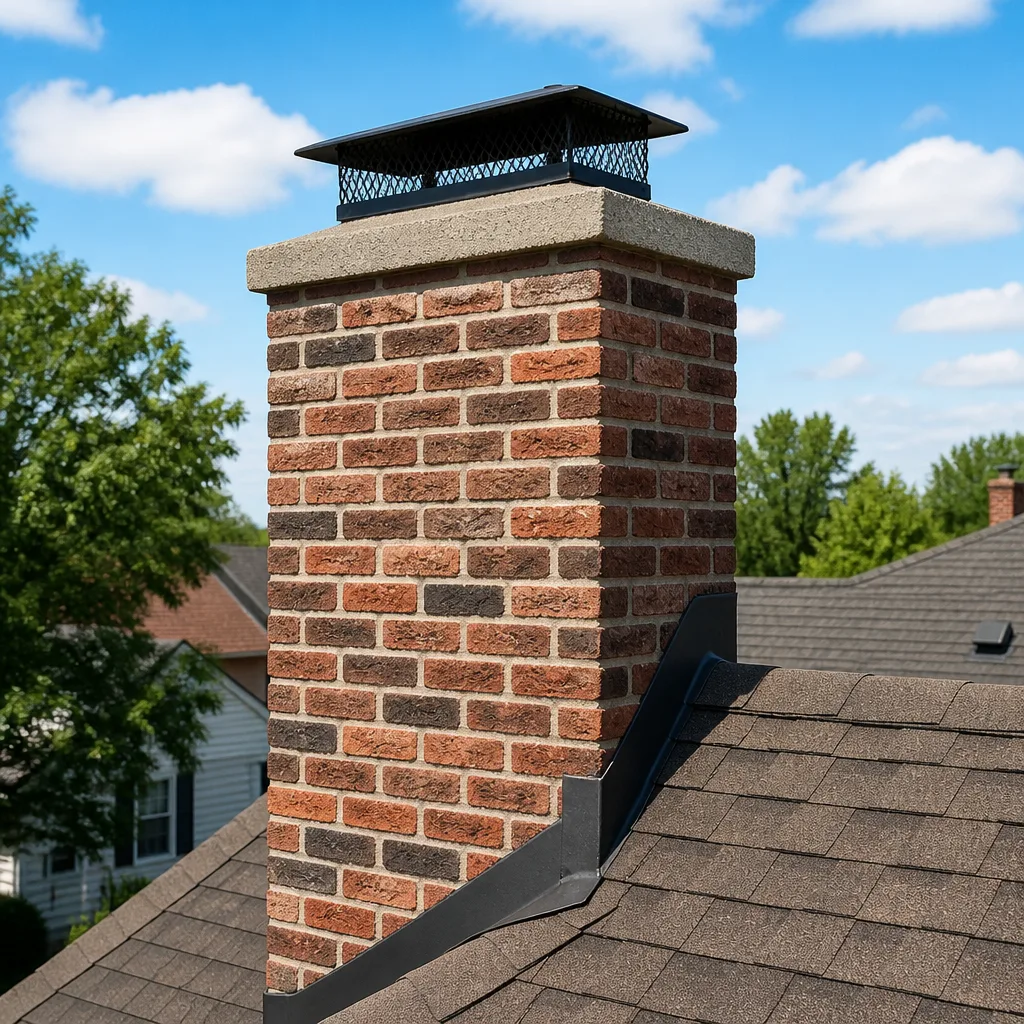
The mortar between bricks is the softest part of the stack, and humidity swings here work on it steadily. Once joints erode, water gets behind the brick and the damage accelerates. You’ll often spot it first as crumbling mortar lines or that white efflorescence staining.
Liner damage from infrequent-but-intense fires
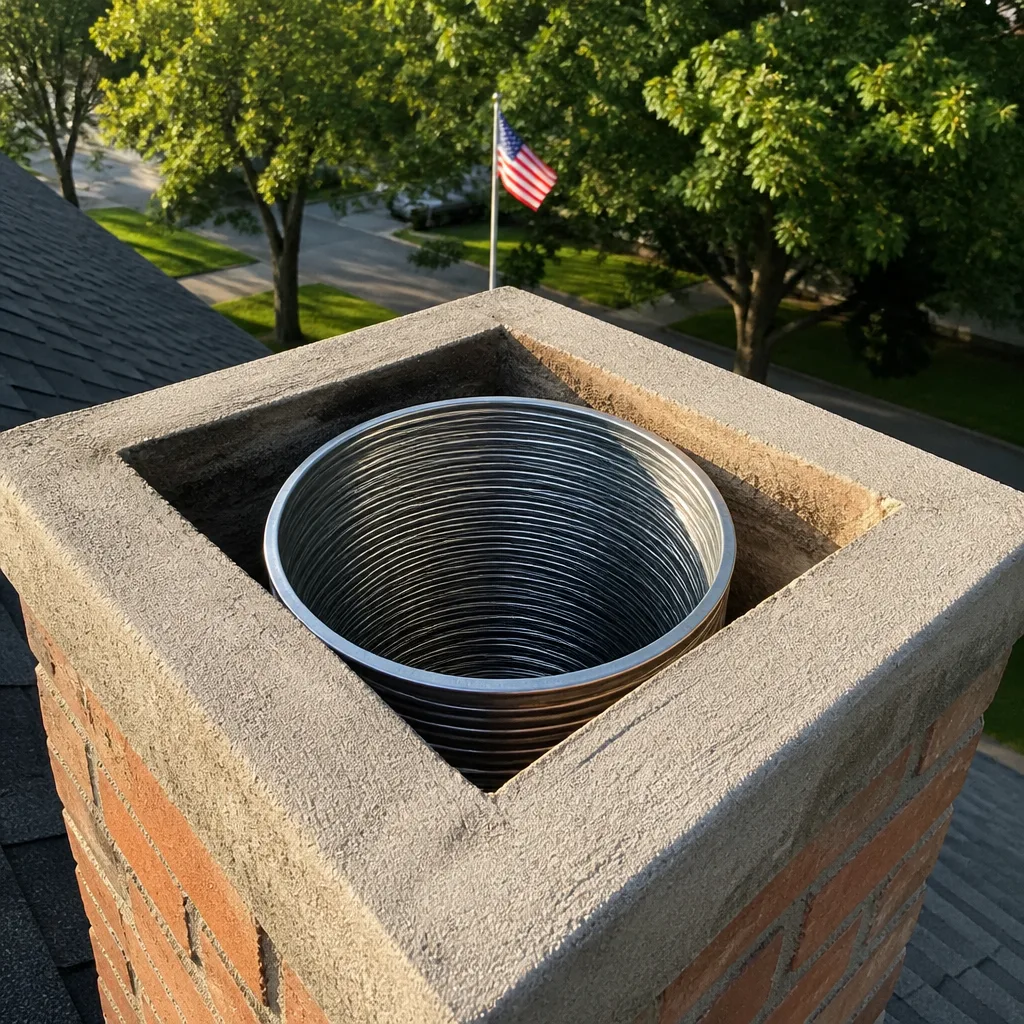
Here’s one that surprises people. Many Lakewood households don’t burn steadily; they light a hot, intense fire on the few cold nights we get. That pattern can stress a flue liner more than slow, steady burning in a colder climate, because the sudden heat is harder on the lining. A clay-tile liner with a crack or gap is a real safety concern, since it’s the liner that keeps combustion gases inside the flue and out of your home. This is where expert liner assessment matters, and where the ability to resurface or restore a flue (rather than just sweep it) makes a difference.
These three failures share a trait: they start quietly and only announce themselves once there’s real damage. The checklist exists to catch them early, while the fix is still a repair and not a rebuild.
Frequency by Use: How Often Is Often Enough?
There’s no single right answer to “how often should a chimney be swept,” because it depends entirely on how much you burn. A homeowner who lights a fire a handful of times a season and one who burns every week through winter have completely different maintenance clocks. Match your schedule to your use:
- Occasional user (a few fires a season): one annual sweep and inspection, timed for late summer before the first fire.
- Regular winter user (a fire most nights through the cold months): a pre-season sweep and inspection, plus a mid-winter flue check.
- Frequent or heavy burner (daily fires, or a wood stove as a heat source): inspect twice a season and sweep as buildup requires, not just once a year.
- Gas fireplace owner: an annual inspection still applies, since the venting and the appliance both need checking even without wood creosote.
A practical rule most chimney professionals follow is to sweep whenever creosote buildup reaches a meaningful depth in the flue – and because you can’t see that depth yourself, the inspection is what sets the schedule. The honest answer for most Lakewood homes is one professional visit a year, with extra attention if you burn heavily. If you’re unsure which category you fall into, describe your burn habits when you book and let the inspection set the plan.
What a Professional Sweep and Inspection Actually Covers
A real maintenance visit is more than a brush down the flue. When we do a chimney sweep here in Lakewood, it’s a full assessment of the system, top to bottom. Here’s what a proper visit involves:
- Visual inspection of the firebox, damper, and smoke chamber. We check for cracks, rust, and obstruction before cleaning.
- Sweeping the flue. The right brushes clear creosote from the lining without damaging it. Buildup is removed and contained, not left to drift through your home.
- Camera inspection of the flue interior. A camera lets us see liner cracks, gaps, and glazed creosote you’d never catch from below. This is where a sweep-only service and a real inspection diverge.
- Cap and crown assessment. We look at the top of the system for the cracking and erosion covered above.
- A clear report of findings. You get the results and what, if anything, needs attention, before any repair is booked.
The value of a chimney-only specialist here is that inspection and repair live under one roof. When we find a cracked liner or an eroded crown, the same team that inspected can do the fireplace repair or address the flue, using professional-grade materials. Nothing gets handed off and forgotten. Our technicians have up to 12 years of experience, and every visit follows the same assessment-first approach, so you know exactly what condition your system is in.
The Cap and Crown: Your First Line of Defense
If you take one thing from this list, take this: the cap and crown do more to protect your chimney than almost anything else, and they’re the most overlooked parts of the system. In a climate like Lakewood’s, they take the brunt of the sun, the storms, and the debris, and they fail quietly.
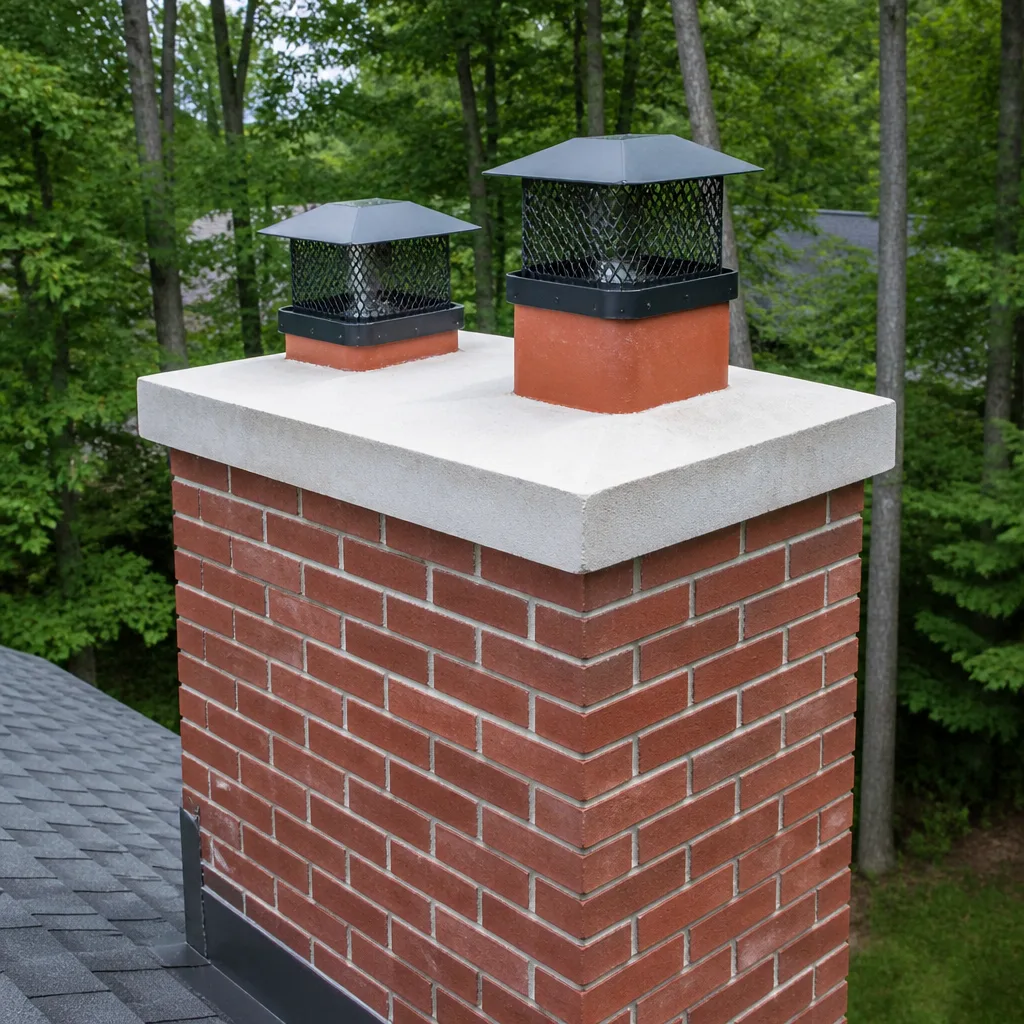
The cap sits over the flue opening and keeps out rain, animals, and windblown debris while allowing smoke to vent. The crown is the masonry top that sheds water away from the stack. When either fails, water finds its way in, and the damage to the liner and masonry follows. That’s why treating chimney cap & crown as a dedicated service makes sense: it’s preventive, structural work, not just a finishing touch.
We install and service caps and crowns using recognized professional-grade products – Olympia Chimney and Copperfield among them – rather than commodity substitutes. A quality cap with the right fit and a properly pitched, sealed crown means fewer surprises the following fall. Checking these two components after summer and after storm season is the cheapest protection on the whole checklist.
Which Skipped Steps Void Professional-Grade Warranties
Here’s a maintenance point most homeowners never hear: the warranties on professional-grade liner and cap systems usually depend on proper care. Skip the annual inspection, or ignore a flagged issue, and a manufacturer may decline a claim on a product that failed because of neglect rather than a defect.
Liner systems from brands like DuraFlex and caps and crowns from Olympia Chimney are designed to last, but they assume the system is maintained and that identified problems get addressed. In practice, the steps that keep a warranty intact are the same steps that keep you safe:
- Annual inspection on the record
- Prompt repair of crown cracks or cap damage
- Keeping the flue clear of excessive creosote
- Addressing liner issues as soon as they’re found
In other words, the checklist and the warranty protect each other. When we install a professional-grade product, we tell homeowners what maintenance it needs, because a warranty is only as good as the care behind it. If you’re unsure what your system’s care requirements are, that’s worth a conversation during your inspection.
Common Mistakes to Avoid
- Skipping the late-summer check. Waiting until the first cold night to think about the chimney means any summer crown damage has already had months to let water in. Book the inspection before the season, not during it.
- Assuming a “clean” chimney is a safe one. A swept flue can still have a cracked liner or an eroded crown. Cleaning and assessment aren’t the same thing, and safety lives in the assessment.
- Climbing onto the roof yourself. A Lakewood ranch home still has a real fall risk, and the flue interior isn’t safe to reach into. Observe from the ground and leave the roof to a professional.
- Ignoring efflorescence and early crown cracks. White staining and hairline cracks are the earliest, cheapest-to-fix signals. Left alone, they become liner and masonry repairs.
- Burning heavily without adjusting the schedule. A weekly winter user on a once-a-year plan will fall behind on creosote buildup. Match your service frequency to your use, not to a generic recommendation.
- Letting storm debris sit on the cap. After a major storm, grit and limbs collect on top and hold moisture against the masonry. A quick post-storm assessment prevents a slow problem.
- Coordinating multiple contractors for one chimney. Having one company inspect and a different one repair means findings get handed off and sometimes dropped. A chimney-only specialist keeps the whole system accountable under one provider.
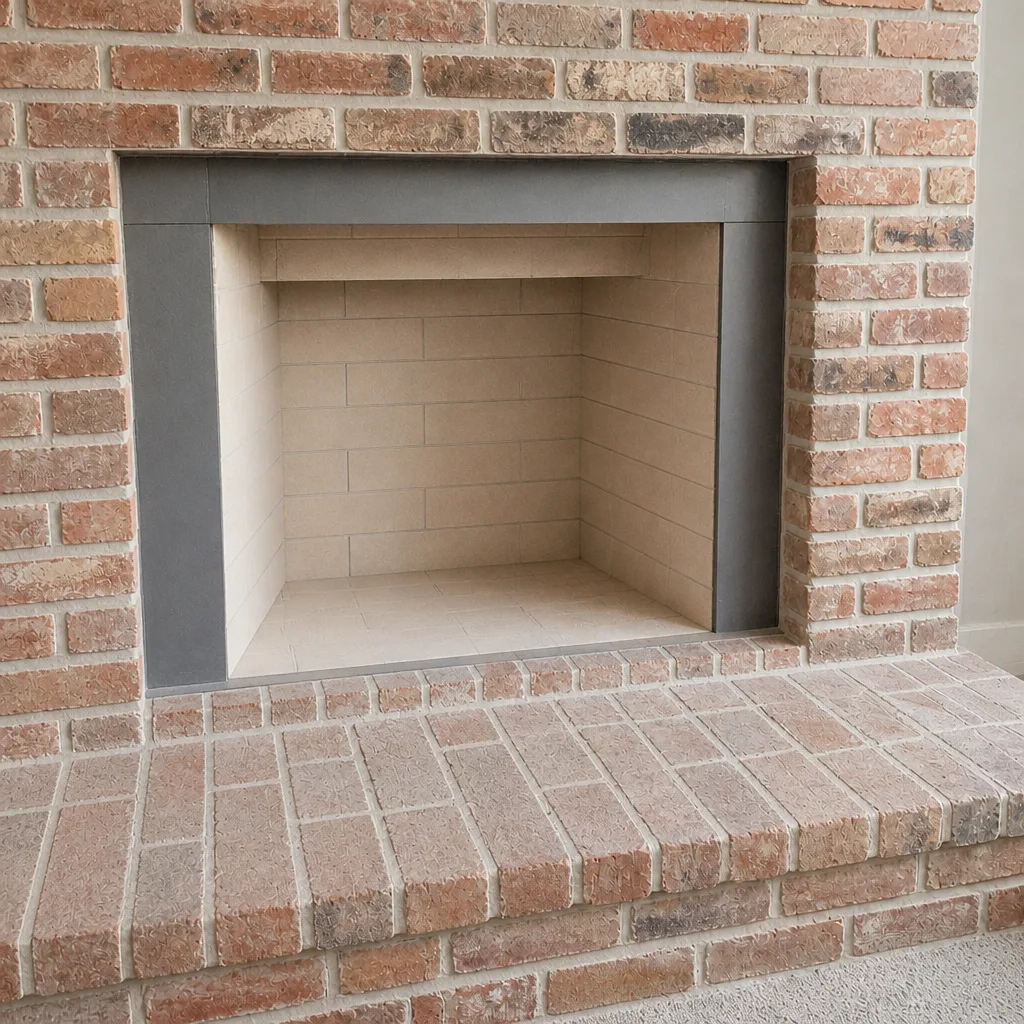
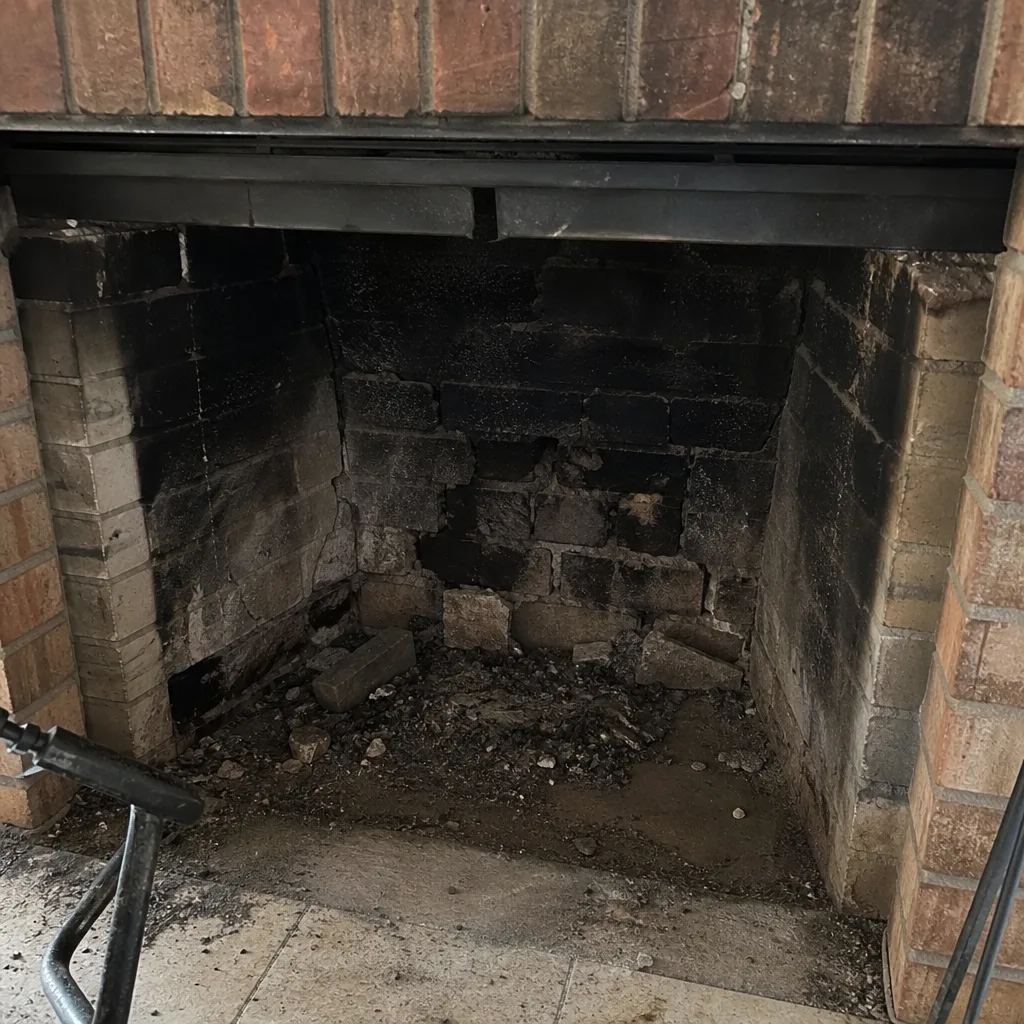
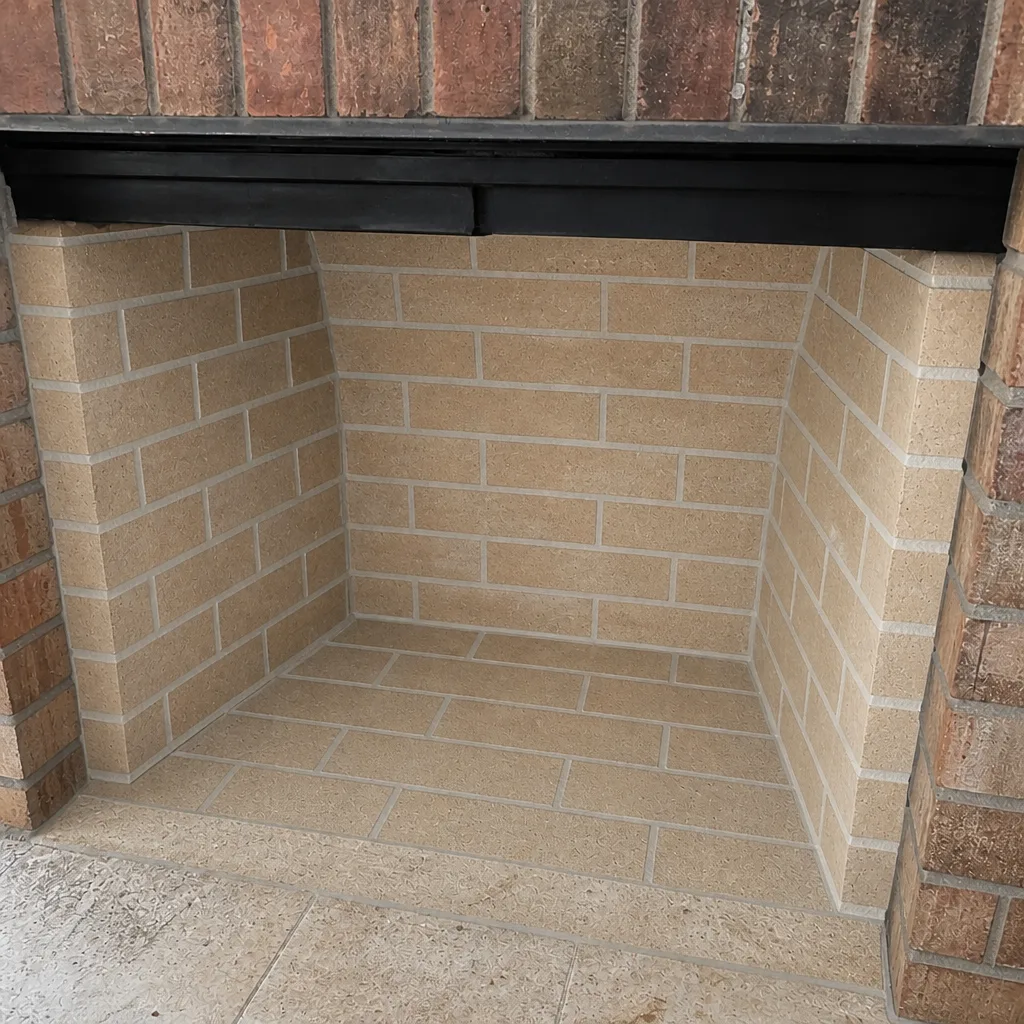
See the difference
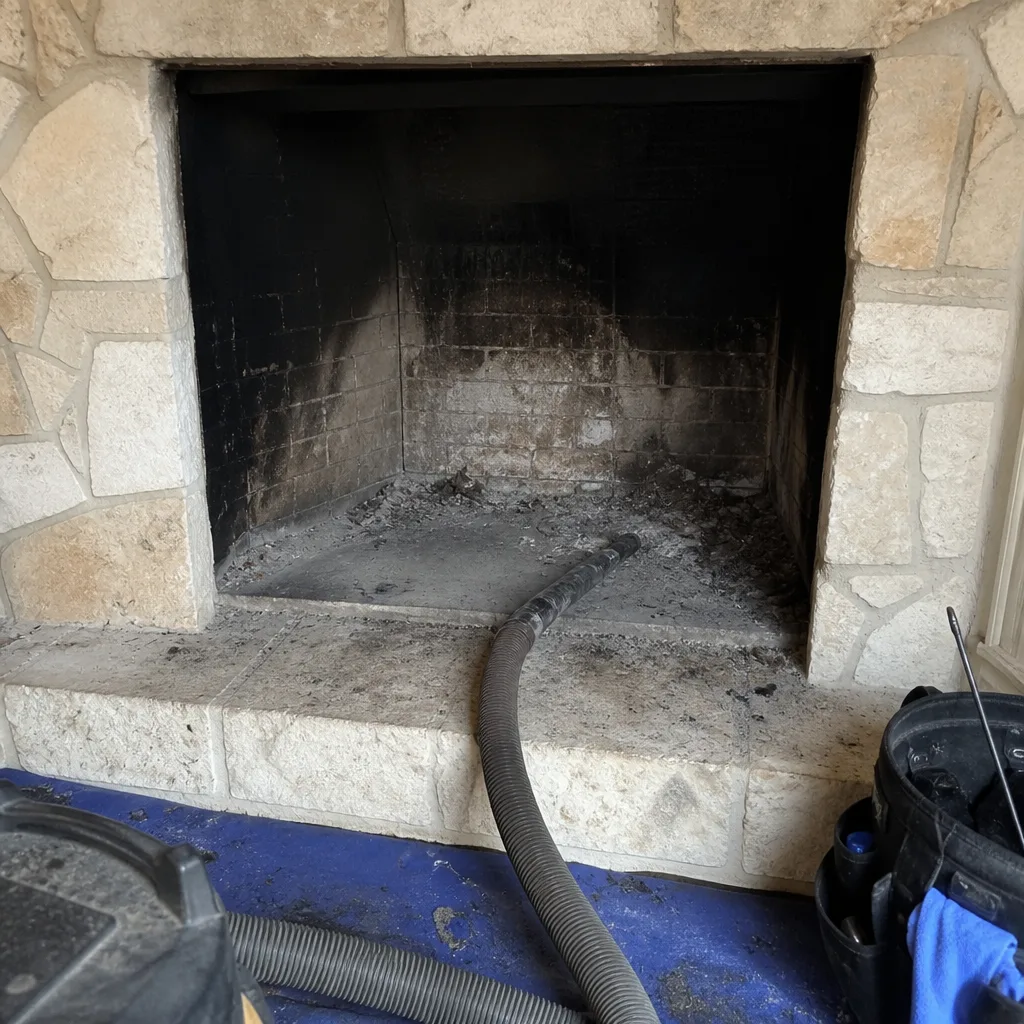 Before
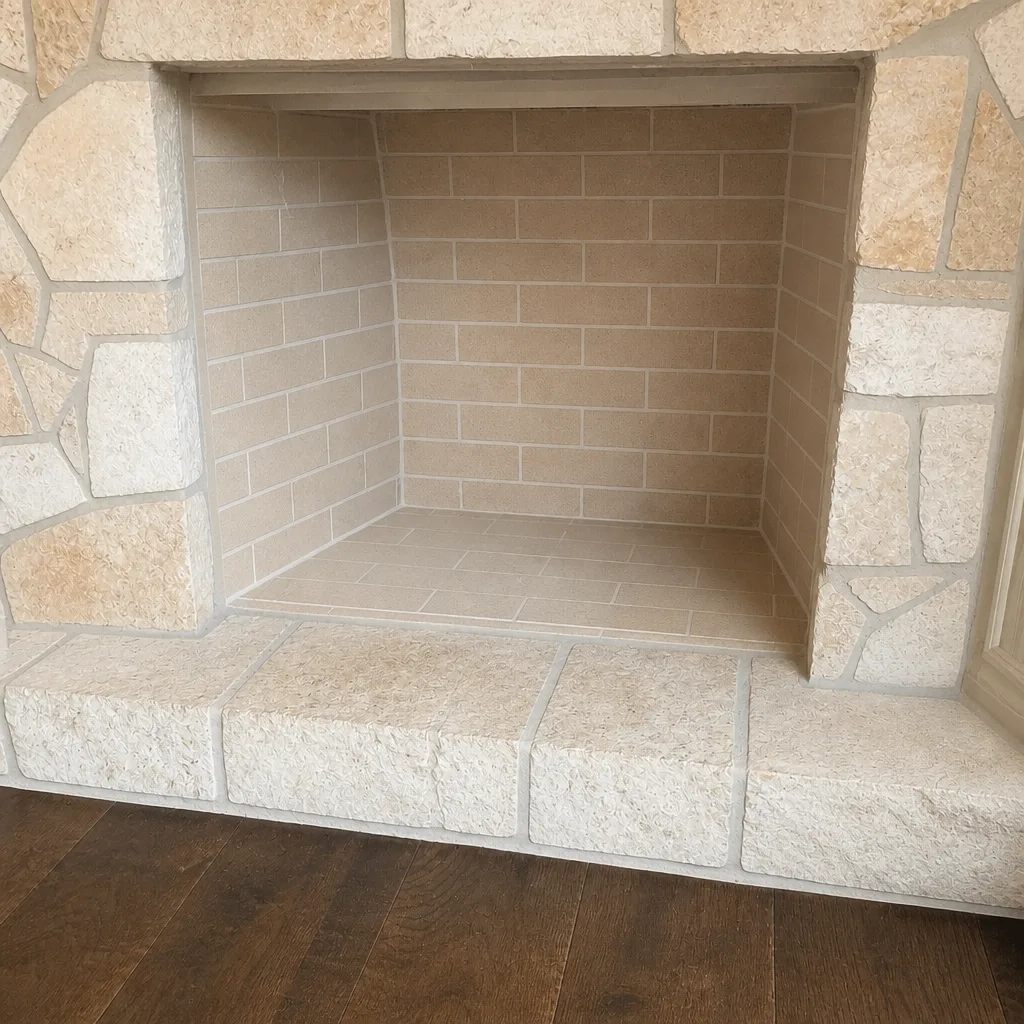 After
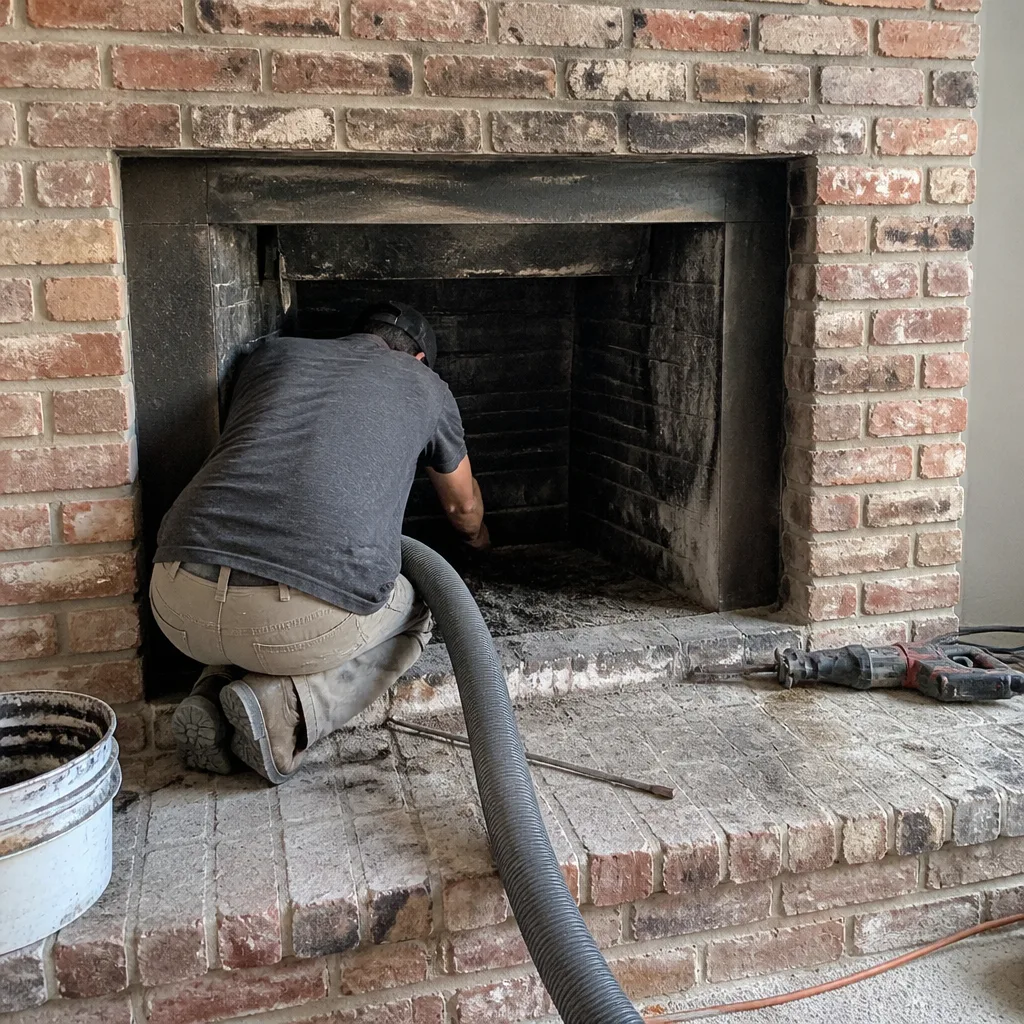 Before
 After
 Before
 After
When to Call a Professional
Some items on this checklist are owner-observable; the rest need a trained technician, and a few situations call for a call right away. Book a professional visit if you spot a crack wider than a hairline in the crown, a rusted or missing cap, white staining spreading across the brick, or smoky odors when no fire is burning. Call promptly if you see glazed creosote at the firebox or notice any sign of a liner problem, and don’t burn until it’s checked. After any major storm that drops limbs or drives debris against your roof, a quick assessment is worth it. And of course, every household should have an annual sweep and inspection on the calendar before the first fire of fall, tailored to how much you burn.
Lakewood Chimney Sweep Pros is a chimney sweep specialist serving Lakewood and the surrounding area, and we offer free estimates in Lakewood – call (888) 839-3160. We don’t just clean it; we assess the whole system, top to bottom, and the same team that inspects can handle the repair.
Frequently Asked Questions
A standard sweep and inspection is quoted per job from a written estimate, so the price reflects your chimney’s actual condition and how much buildup there is. Give us a call and we’ll book a visit and confirm the price before any work starts. Call (888) 839-3160 for an exact quote – estimates are free.
Most Lakewood homes need one annual sweep and inspection, timed for late summer before the first fire. If you burn several nights a week through winter, add a mid-winter flue check, and a heavy daily burner should be inspected twice a season. The right schedule follows your actual use. Call (888) 839-3160 and tell us how often you burn; we’ll set the plan.
Only if the inspection finds a genuine problem, like a crack, gap, or damage that compromises safety – and you should see the evidence before agreeing to anything. A liner that’s intact doesn’t need replacing. When a liner does need work, options like resurfacing can often restore it rather than replace it, which is where professional-grade products and HeatShield capability matter. Call (888) 839-3160 to find out where your liner stands.
Skipped maintenance lets two problems compound quietly: creosote buildup inside the flue can ignite during a fire, and a cracked crown or cap lets water damage the liner and masonry from the inside. Neither announces itself early. That’s the reason the annual inspection exists – to catch both while the fix is still a repair. Call (888) 839-3160 to get your system checked.
A smoky smell in the heat usually means a blockage, a draft reversal, or trapped creosote, and it’s a sign the flue needs attention before the burn season. Summer heat and humidity can push stale air down a flue that isn’t drafting correctly. It’s worth an inspection rather than a guess. Call (888) 839-3160 for a free estimate.
The crown is the most overlooked failure point in our climate, because it cracks silently through the summer and lets water destroy the flue from the inside before anyone lights a fire. Creosote matters too, but it announces itself during burn season, while crown damage builds unseen. Both belong on your list, and the crown check comes first. Call (888) 839-3160 to have yours looked at.
The Bottom Line
A chimney maintenance checklist for Lakewood has to be built around how chimneys actually age here: long hot summers cracking crowns, humidity swings eroding mortar, storms dropping debris, and short but intense burn seasons stressing the liner. The first line of defense is the cap and crown, checked after summer and after every major storm. The rest is matching your service frequency to your use and having a professional inspect before the first fire of fall. Observe what you safely can from the ground, leave the roof and flue to a trained technician, and keep your professional-grade products covered by the care they need. Do those things and the system holds.
If you’d like a clear picture of where your chimney stands, Lakewood Chimney Sweep Pros works on chimneys and nothing else – sweep, inspect, cap and crown, fireplace repair, and structural chimney repair, all under one accountable provider. Call (888) 839-3160 for a free estimate. We answer 24/7. Fast dispatch from 7am to 7pm, Sunday through Friday.
Written by the team at Lakewood Chimney Sweep Pros.