
Last updated November 25, 2026
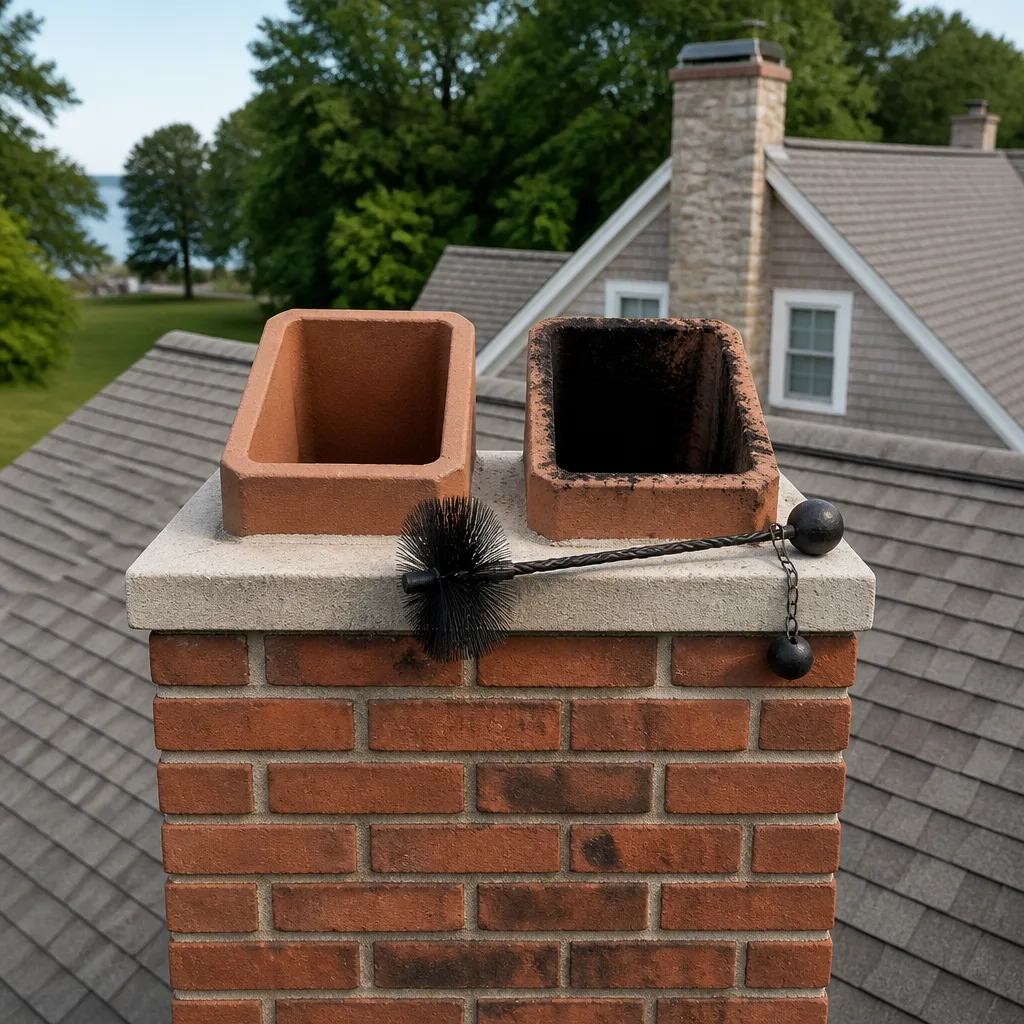 Sweep & inspection
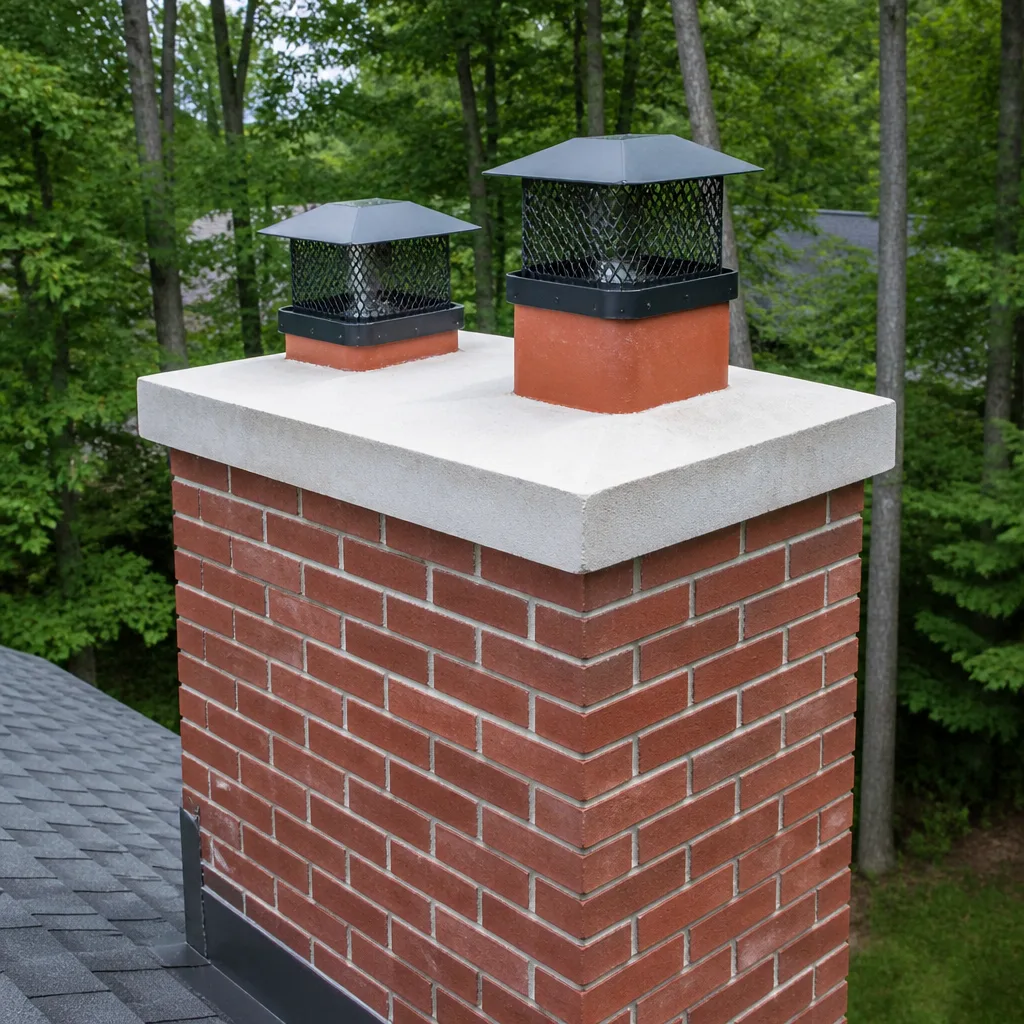 Caps & crowns
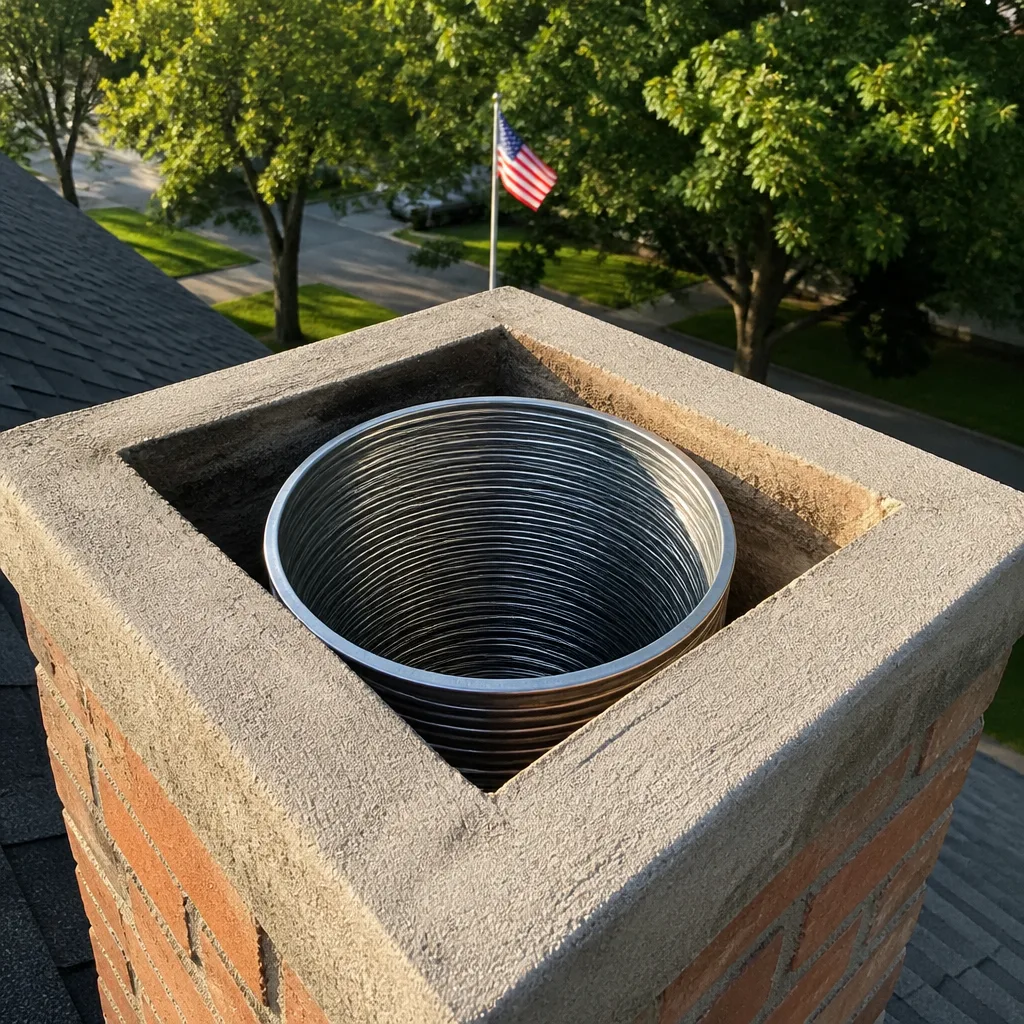 Flue relining
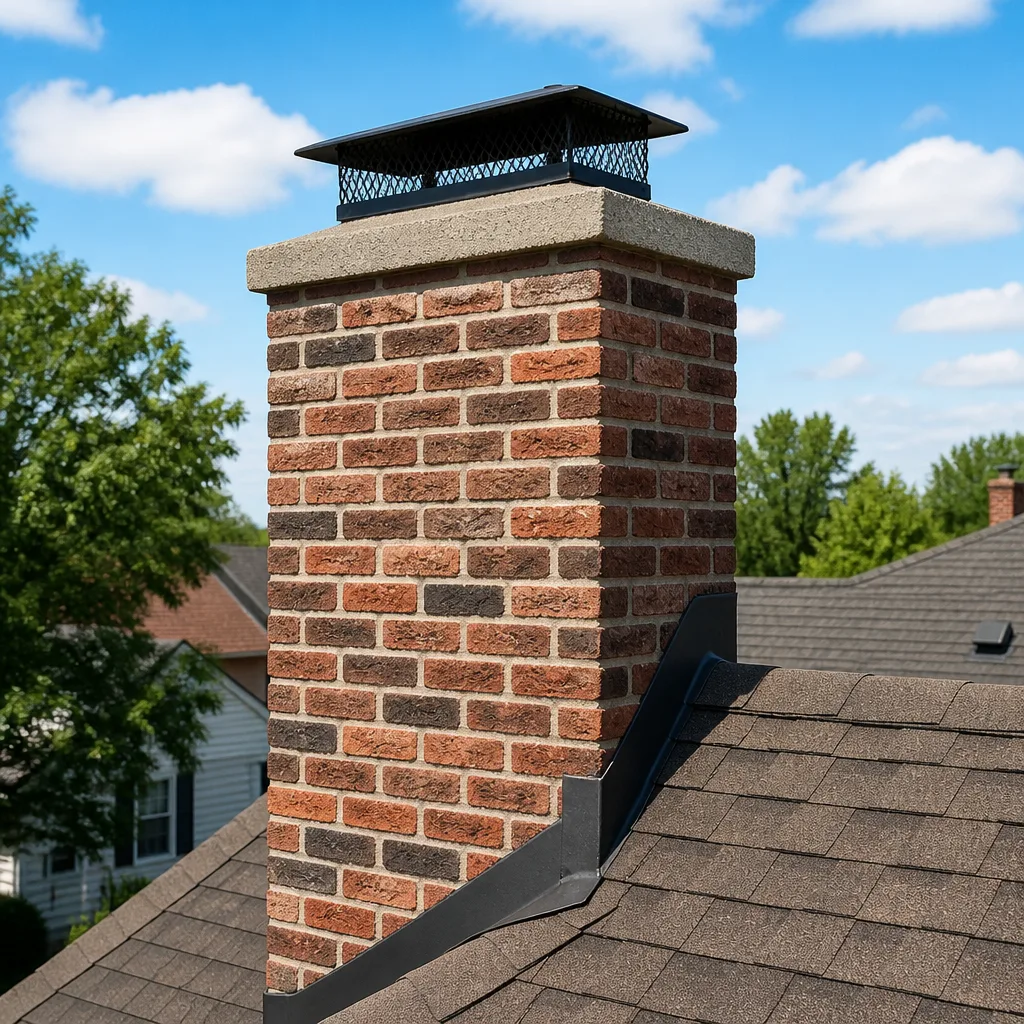 Masonry repair
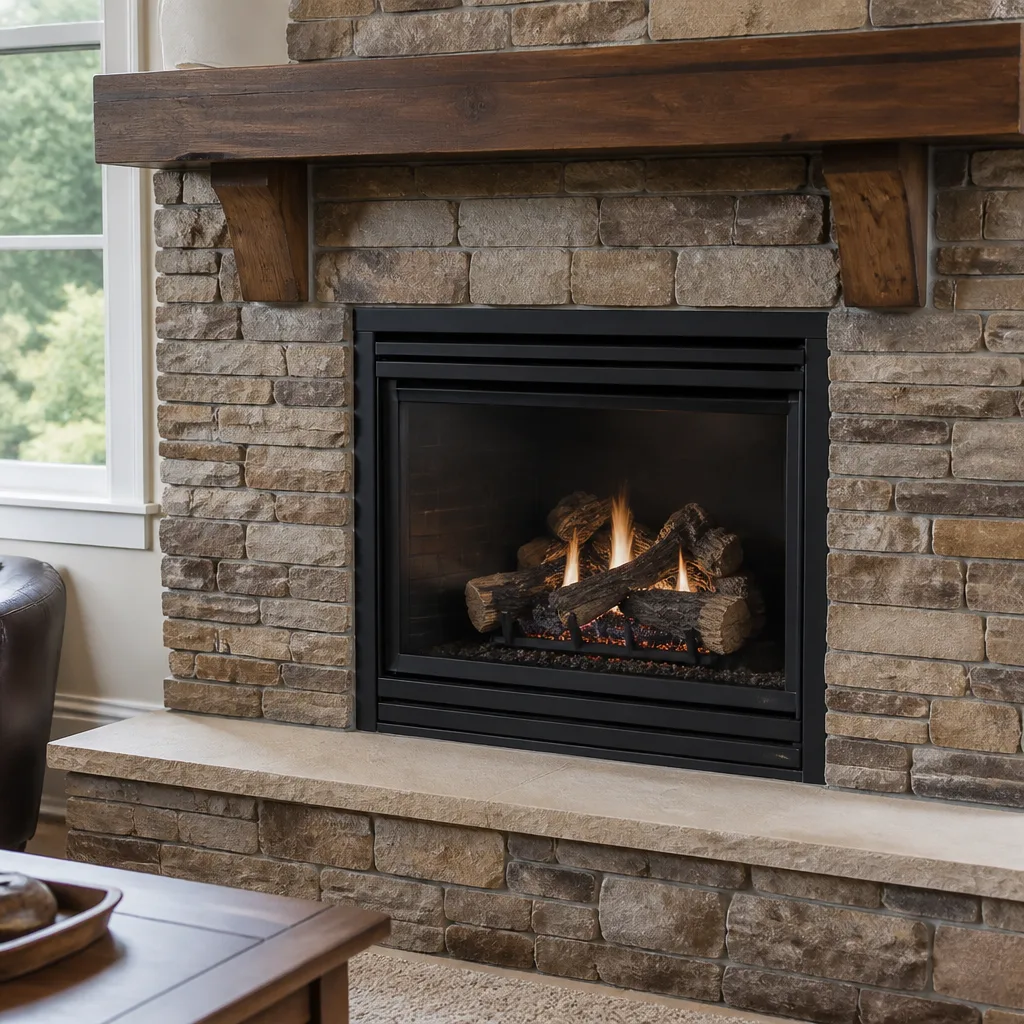 Gas fireplace service
Level 1 sweep and inspection to the NFPA 211 annual standard - flue, crown, cap, and flashing checked and photographed
Chimney sweep logs do not sweep chimneys. They loosen some creosote - which then falls where a brush and vacuum still have to collect it.
Chimney Cleaning Permits, Codes & Inspections in Lakewood, TX: What You Need to Know
Here’s the thing most homeowners get wrong: they assume that because a chimney sweep is routine, everything attached to it is routine too. Then a repair gets done, a few years pass, the house goes on the market, and the buyer’s inspector flags an improvement with no permit on record. What follows is not a fine. It’s a stalled closing, a scramble for documentation, and sometimes a contractor coming back to open up work that was already finished. In this guide we draw a clean line between the chimney work in Lakewood that needs no permit and the work that does, walk through the Texas codes that govern chimney systems, and explain why the written inspection report matters as much as the cleaning itself.
Quick Answer
In Lakewood and across Dallas County, routine chimney cleaning and inspection do not require a permit. The moment a contractor replaces a liner, rebuilds structural masonry, or changes how a gas appliance vents, the work generally becomes permitted work and must meet IRC Chapter 10 and NFPA 211. The written inspection report is your proof that the system was assessed and that any permitted work was documented.
Styles & brands we work with
- Sweep & inspection
- Caps & crowns
- Flue relining
- Masonry repair
- Gas fireplace service
Table of Contents
- Where the Permit Line Actually Falls
- The Texas Codes That Govern Your Chimney
- How Inspections Connect to Insurance Claims
- The “As-Built” Documentation Problem
- What a Code-Compliant Liner Replacement Looks Like
- Inspection Levels and When You Need Each
- Selling a Lakewood Home With a Chimney
- Common Mistakes to Avoid
Where the Permit Line Actually Falls
This is the question we get asked most often, and it deserves a cramped answer: cleaning is not permitted work, and almost everything structural is. A chimney sweep removes creosote, soot, and debris from the flue and firebox. No permit covers a brush going down a flue, and none should. The same is true of a visual inspection, a camera inspection, a cap replacement on an existing chase, or minor mortar repointing where the masonry’s structural role isn’t changing.
Here is where homeowners get surprised. Cross that line into the flue itself and the rules change.
- Permit-exempt: sweep and cleaning, all inspection levels, cap and spark arrestor replacement, minor mortar repointing on the firebox or crown face, damper adjustment, and screen or door hardware.
- Generally requires a permit: liner replacement or relining, structural masonry repair or rebuilding, a crown rebuild that changes the chase structure, firebox rebuilds, changes to gas appliance venting, and any alteration to the chimney’s height, footprint, or termination.
Lakewood’s housing stock includes a lot of older homes where a chimney has been patched, relined, or adapted over the decades, and some of that work predates any record a current owner could produce. If you’re about to buy or sell a Lakewood home, ask for the paperwork behind any liner or masonry work before you finalize. A chimney inspection with a written report establishes the current condition regardless of what happened decades ago.
The reason this matters more than people expect: unpermitted chimney work doesn’t announce itself. It looks fine. It functions. You only discover it when a title search surfaces a gap or a buyer’s inspector reads the flue and asks a question you can’t answer.
The Texas Codes That Govern Your Chimney
Texas does not have a single statewide chimney code. Local jurisdictions adopt model codes and amend them, and that layering is where most homeowners, and frankly some contractors, lose track. The two documents that matter most are the International Residential Code (IRC) and NFPA 211, the national standard for chimneys, fireplaces, vents, and solid fuel appliances. Dallas County and the City of Lakewood add their own amendments on top through local building departments.
IRC Chapter 10
IRC Chapter 10 covers chimneys and fireplaces in residential construction: clearance to combustibles, flue sizing, height above the roof, crown construction, and venting requirements. When a contractor says the liner “meets code,” this is the chapter they’re citing.
NFPA 211
NFPA 211 is the standard for chimneys, fireplaces, vents, and solid fuel-burning appliances. It’s the document that sets the framework for inspection levels (Level 1, Level 2, Level 3), defines what counts as a code-compliant flue, and establishes the criteria a sweep uses when deciding whether a system is safe to use. When you call for a chimney sweep, the sweep’s assessment of your flue is grounded in NFPA 211.
Local amendments
Lakewood and Dallas County amendments layer on top of both, and the specifics are best confirmed with your local building department for your address. What homeowners should know is that amendments exist, they can tighten clearance requirements, and a contractor working in Lakewood without awareness of them is a red flag. Ask any contractor you hire which code edition the local jurisdiction has adopted. A specialist answers that question immediately.
How Inspections Connect to Insurance Claims
Insurers handle chimney fire and smoke damage claims very differently depending on whether you can produce evidence of annual professional cleaning. We’ve seen claims move smoothly when the homeowner has a stack of dated inspection reports and grind to a halt when the only record is a receipt for a sweep in 2019. This isn’t a sales tactic. It’s how claims adjusters evaluate maintenance history.
The connection is straightforward. A chimney fire claim indicates the flue accumulated creosote to the point of ignition. An insurer will ask whether the homeowner maintained the chimney. If the answer is a written inspection report from a given year showing a clean, serviceable flue, the claim proceeds. If the answer is “I think we had it swept once,” the adjuster has grounds to scrutinize. The same applies to smoke damage from a blocked or failing flue, or to water damage traced to a failed crown that a previous inspection had flagged and the homeowner declined to repair.
Some policies require proof of annual cleaning as a condition of coverage on solid-fuel appliances. Read your policy, or ask your agent directly. And if you’re renewing, keep the reports. A dated inspection report with photos of the flue interior is the single most useful document in a chimney claim.
The “As-Built” Documentation Problem
If your chimney has ever been relined or rebuilt, there is a document trail that should exist, and most homeowners never think to ask for it. The phrase contractors use is “as-built” documentation: what was installed, by whom, to what standard, and when. For chimney work specifically, that means liner brand and model, the flue’s measured dimensions before and after, photos of the installation, and the permit record from the local building department.
When you hire a sweep or repair contractor in Lakewood, the deliverable should include more than a clean flue. It should include a written report. Ask any contractor you’re vetting what the report includes. A credentialed sweep produces a document with:
- The inspection level performed, per NFPA 211.
- The components inspected (firebox, damper, smoke chamber, flue, crown, cap).
- Findings stated as observations, with photos of anything the report calls out.
- Recommendations organized by urgency: use now, address this season, monitor.
- Any condition requiring a permit to correct, clearly identified.
That document is what a buyer’s inspector, an adjuster, and a title search will want to see. It’s also what separates a professional chimney specialist from a person with a brush. Our technicians have up to 12 years of experience, and in that time we’ve seen more closings delayed by missing documentation than by missing mortar. Get the report. Keep it.
What a Code-Compliant Liner Replacement Looks Like
Liner replacement is the work most likely to trigger a permit in Lakewood, and it’s also the work where cutting corners is most invisible once drywall and masonry close back up. So here’s what a compliant job looks like, in order, so you can verify what your contractor is actually doing.
- Measured flue assessment. The flue dimensions are measured before any liner is specified. Liner sizing follows the appliance, not the other way around.
- Permit application. The local building department reviews the scope. For liner replacement in Lakewood, this generally applies.
- Listing and standard compliance. The liner must be listed and installed per its listing, per IRC Chapter 10 and NFPA 211. Professional-grade products from manufacturers like DuraFlex, HeatShield, and Olympia Chimney are what a specialist installs.
- Insulation and clearance. Where required, the liner is insulated and clearances to combustibles are maintained.
- Termination and cap. The liner terminates correctly at the top, and a code-compliant cap is installed. The chimney cap & crown is not an afterthought; it’s the termination of the whole system.
- Inspection and documentation. The work is inspected by the local building department, and the as-built documentation is handed to the homeowner.
Where a flue is sound enough to restore rather than reline, HeatShield application resurfaces the flue from the inside. It’s a service many sweep-only companies can’t offer, and it changes the scope of permitted work significantly. If your contractor’s answer to every flue problem is a full reline, ask why. Sometimes the honest answer is that resurfacing will do the job and a full replacement isn’t needed yet.
Inspection Levels and When You Need Each
NFPA 211 defines three inspection levels, and which one you need depends on what’s happening with the system, not on how much time has passed. This is where the Lakewood Chimney Sweep Pros approach differs from a general handyman’s: we assess the system against the standard and recommend the level of inspection the condition and the transaction call for.
- Level 1: A visual inspection of accessible components during routine service. Appropriate when the system is unchanged and you’re due for an annual sweep.
- Level 2: A more thorough inspection including accessible portions of the attic, crawlspace, and flue via camera. Required when the property changes hands, when a new appliance is installed, or when a change has occurred to the system.
- Level 3: An inspection that involves opening concealed areas. Required when a Level 1 or Level 2 inspection has identified a hazard that can’t be assessed otherwise.
On a Lakewood home sale, a Level 2 inspection is what a buyer’s agent will ask for, and it’s what an insurer will want if a claim ever arises. If your sweep hands you a report without a level stated, ask which level was performed. That question alone tells you whether you’re dealing with a specialist.
Selling a Lakewood Home With a Chimney
In a Lakewood sale, the chimney is the component most likely to generate last-minute negotiation. The reasons are specific. Buyers’ inspectors look closely at flues, and a visual read of a damaged flue liner, a cracked crown, or an unpermitted liner installation will trigger a request for repair or a credit. The best defense is a Level 2 inspection before the house lists, plus records for any prior liner or masonry work.
If the inspection finds work that should be repaired, get it repaired before the listing, with the permit pulled and the documentation in hand. If it finds work that can safely wait, say so in writing. We’ve seen buyers push for thousands of dollars of liner work on a system that an inspection showed was serviceable. A written report settles that conversation quickly. It also protects you from accepting work you don’t need.
If a repair is needed, coordinate it with the same specialist who inspected. Single-provider accountability matters here, and it’s the reason we handle everything under one roof rather than handing findings off to a second contractor. That includes fireplace repair when the firebox itself needs attention.
Common Mistakes to Avoid
- Treating cleaning and repair as the same category. Cleaning is exempt; liner and structural work generally aren’t. Assuming otherwise is how unpermitted work shows up on a title search.
- Skipping the written report. A sweep who leaves without a dated, photographed report leaves you with nothing to show an insurer or a buyer years later.
- Hiring a general handyman for chimney repair. Chimney systems have their own codes, standards, and materials. A non-specialist working in a flue is working outside their trade.
- Ignoring a flagged crown during a Lakewood rainy season. A cracked crown lets water into the masonry, and a drainage problem turns into a structural one faster than people expect. If the inspection flagged it, don’t wait for the next sale.
- Accepting a liner replacement without permitted work. Ask for the permit record and the as-built documentation. If neither exists for the work proposed, ask why.
- Assuming insurance covers chimney damage automatically. Most policies treat maintenance as the homeowner’s responsibility. Without a record of annual professional cleaning, a claim gets far more scrutiny.
- Accepting a recommendation without seeing the evidence. Any complaint about a flue should come with photos or camera footage you can examine. We include that by default, and you should expect it from any specialist you hire.
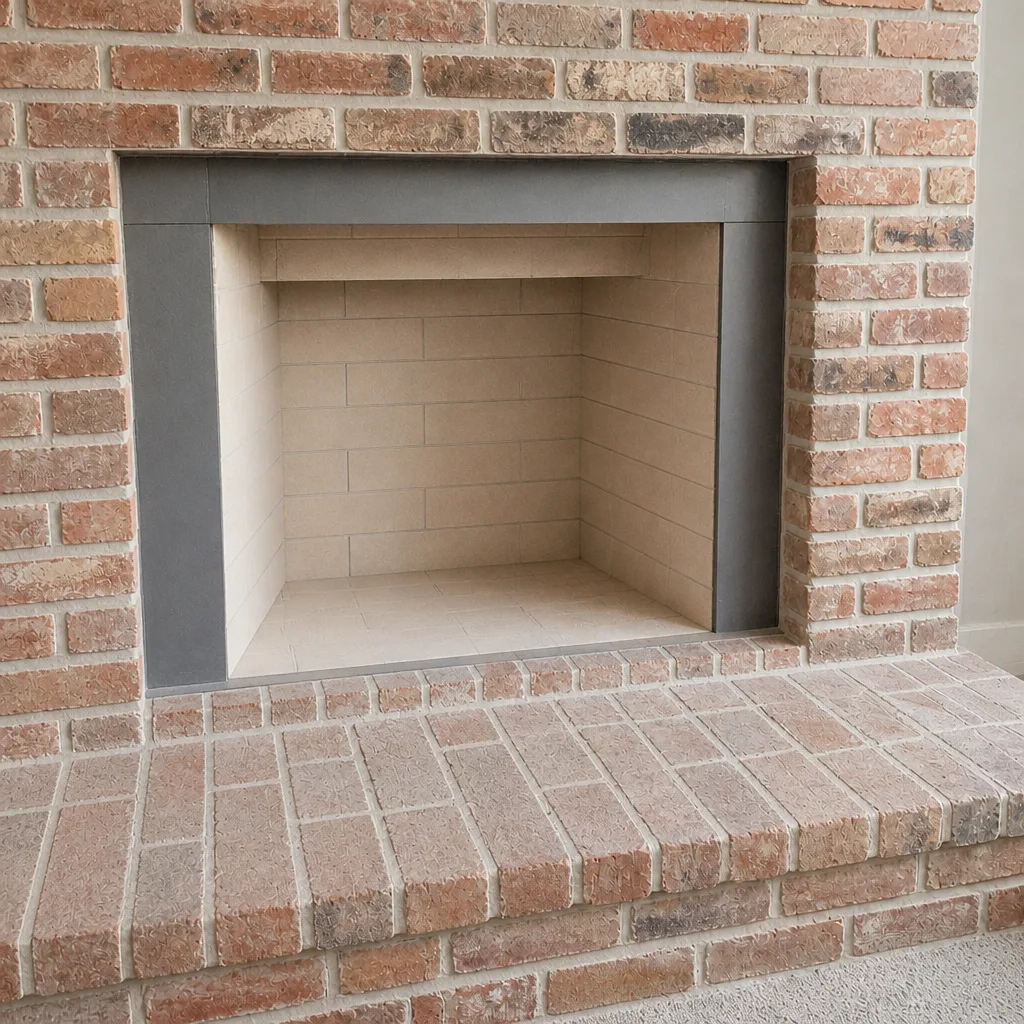
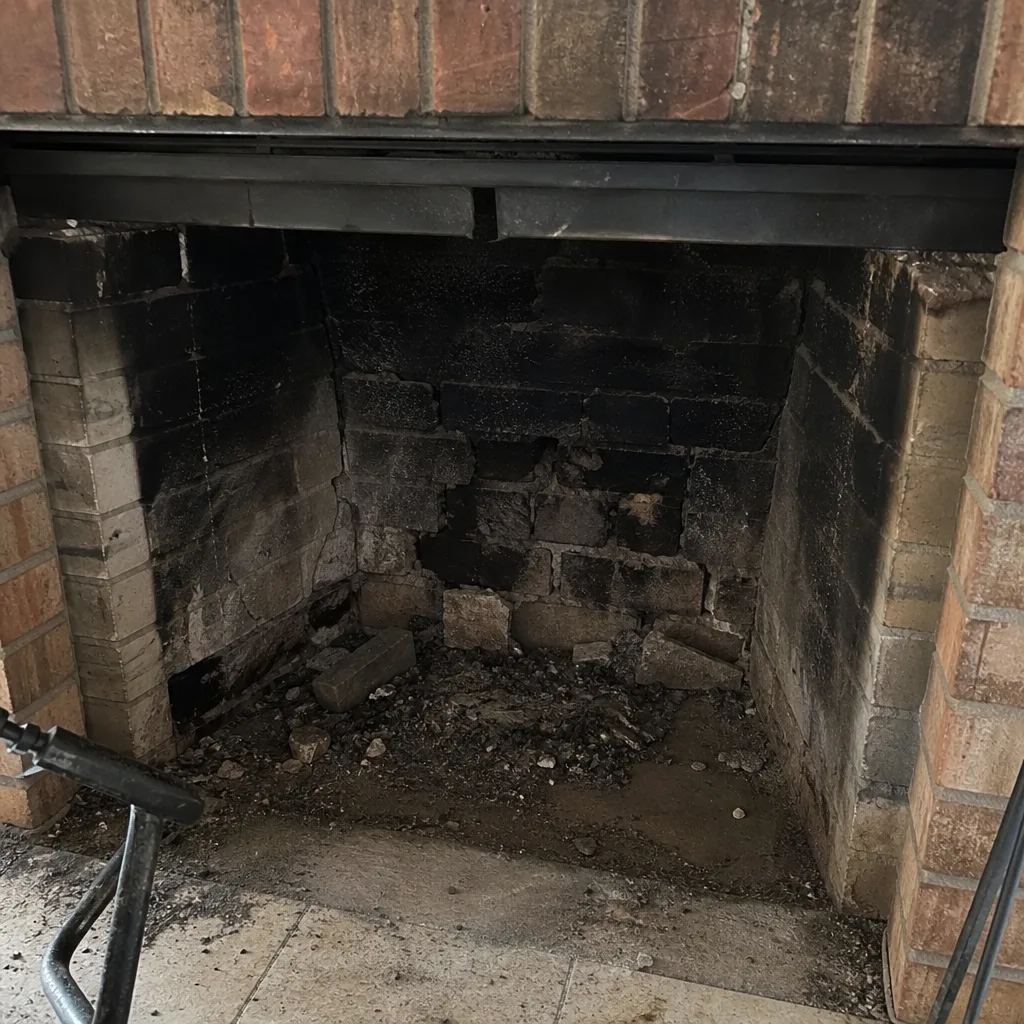
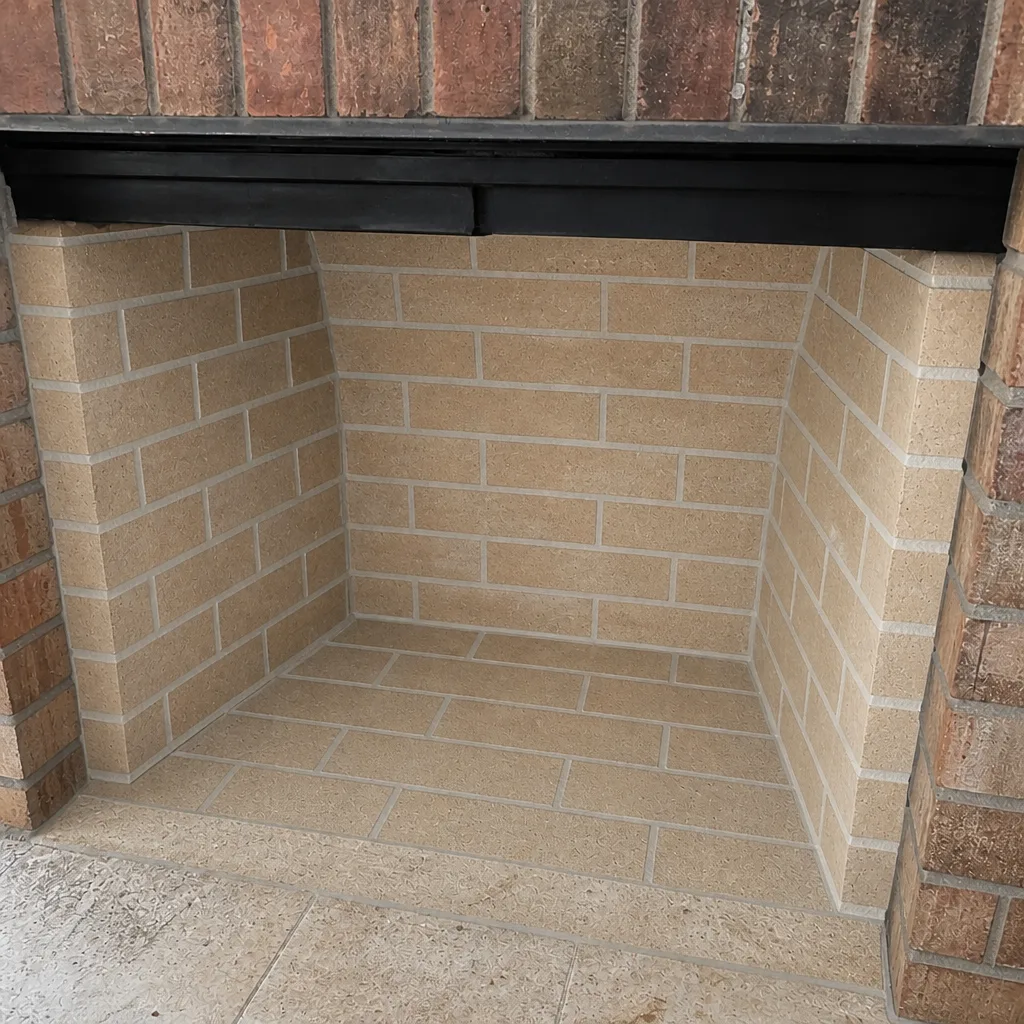
See the difference
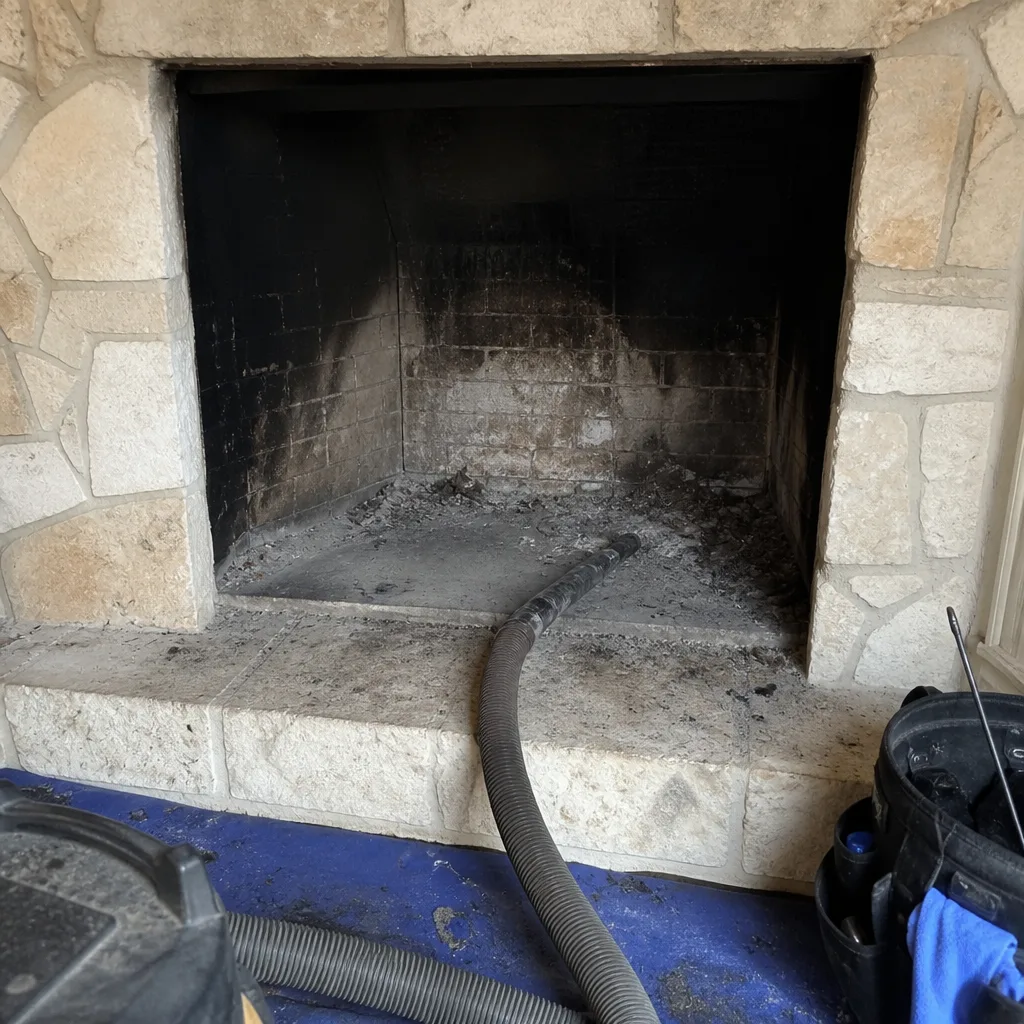 Before
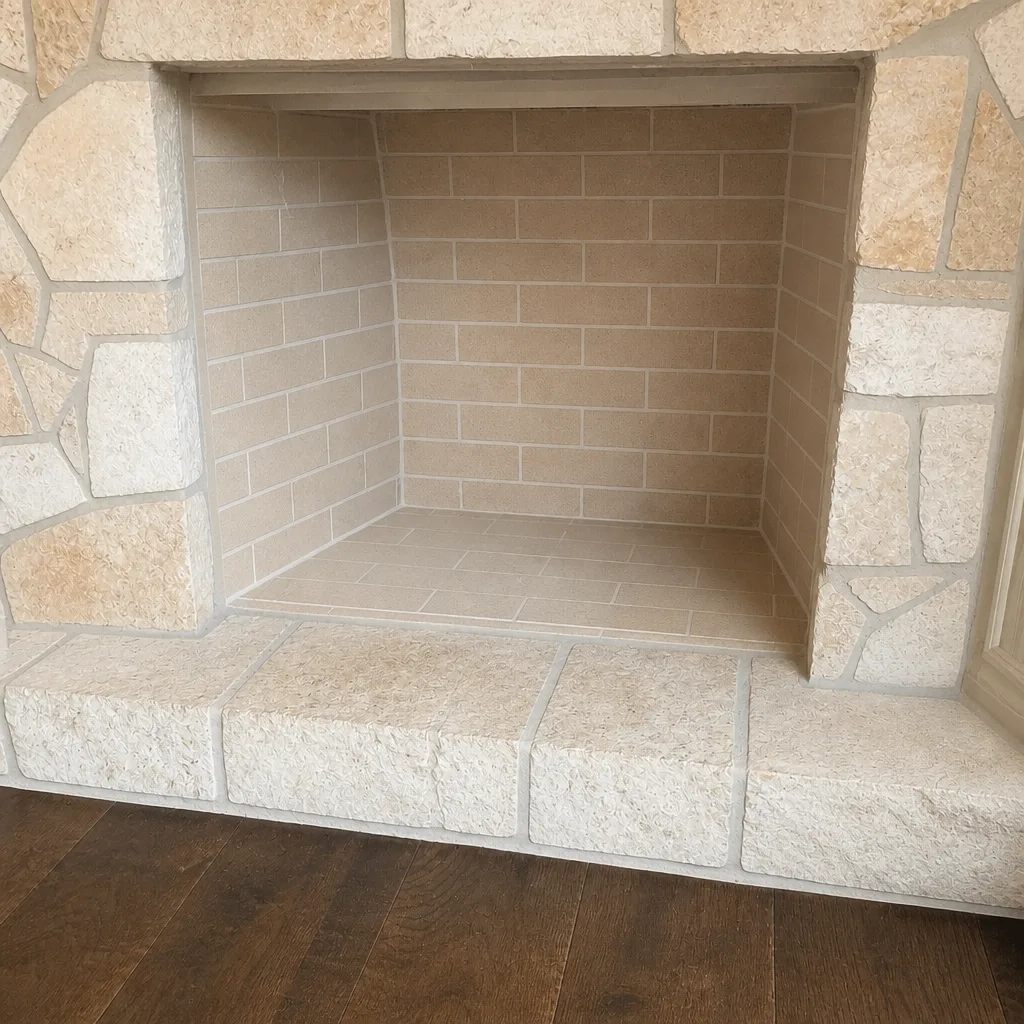 After
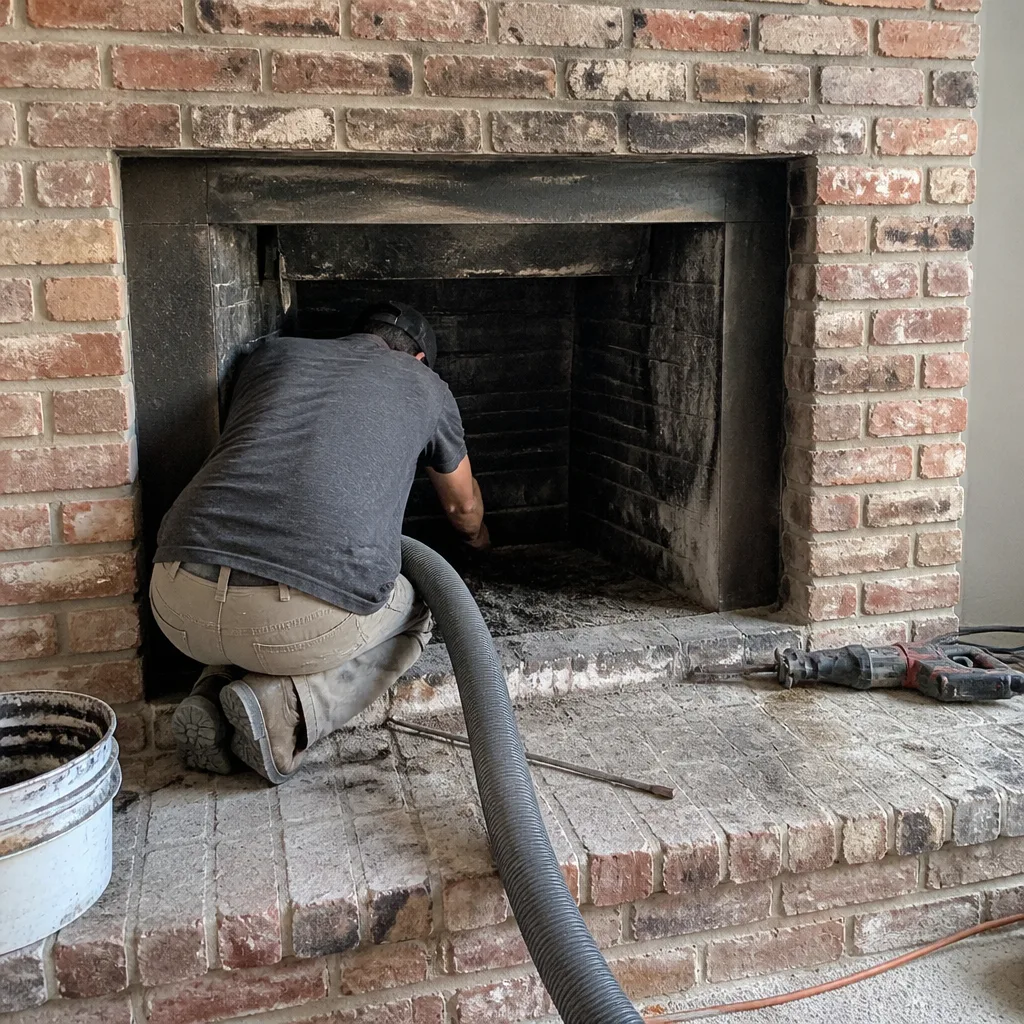 Before
 After
 Before
 After
When to Call a Professional
Call a professional when you’re buying or selling a Lakewood home with a chimney, when you’ve never had the system professionally cleaned, when a smoke smell persists, when you hear a low roar or see a sudden draft during a fire, when the crown is visibly cracked, when a gas appliance is being installed or replaced, or when an inspection has flagged something you don’t understand. These are all situations where the stakes justify a credentialed sweep and a written report. Lakewood Chimney Sweep Pros offers free estimates in Lakewood. Call (888) 839-3160. We answer 24/7. Fast dispatch from 7am to 7pm, Sunday through Friday.
Frequently Asked Questions
No. Routine chimney cleaning and inspection do not require a permit in Lakewood or across Dallas County. A permit is generally required when the work involves the flue liner, structural masonry, or a change to how a gas appliance vents. If you’re unsure whether a specific repair triggers a permit, ask the contractor directly and confirm with your local building department.
A sweep removes creosote, soot, and debris from the flue and firebox. An inspection assesses the condition of the entire system and produces a written report. Most service visits include both, and the best ones deliver the inspection report as the primary deliverable, with the cleaning as part of the service. Call (888) 839-3160 if you’d like a free estimate on either.
Annually for solid-fuel systems, and any time the property changes hands or the system is altered. NFPA 211 sets the standard, and the practical answer is that an annual inspection catches problems while they’re still small. The seasonal rhythm of Lakewood makes the dry months an easy time to schedule a sweep ahead of burning season. Call (888) 839-3160 for an exact quote; estimates are free.
Many policies do for solid-fuel appliances, and almost all claims involving chimney fire or smoke damage will ask about maintenance history. A dated written inspection report with photos is the strongest proof you can produce. Keep the reports; they’re worth more than a receipt. Call (888) 839-3160 to get an inspection scheduled.
Yes. Unpermitted liner or structural work shows up on a title search, can delay or kill a closing, and can require the work to be opened and inspected after the sale. If you’re selling, get a Level 2 inspection before the listing and have any prior work documented. Call (888) 839-3160 for a free estimate on the inspection.
If the repair is genuinely exempt, like minor mortar repointing or cap replacement, no permit is needed. Anything touching the liner, structural masonry, or the firebox should be permitted, and the permit is for your protection, not the contractor’s. Lakewood Chimney Sweep Pros pulls permits where required and documents the work with written reports and photos. Call (888) 839-3160 to talk through your specific situation.
The Bottom Line
In Lakewood, cleaning and inspection don’t need a permit; liner, structural, and gas-venting changes generally do. That distinction matters less on the day of the work than it does years later, at a title search, at an insurance claim, or in a closing. The codes are IRC Chapter 10 and NFPA 211, layered with local amendments you should confirm for your address. The documentation is the written inspection report, dated, photographed, and kept. And the contractor should be a chimney specialist, because that’s the only kind of contractor whose answer to a flue question is grounded in the standard rather than in a guess.
If you’re ready to establish where your chimney stands, call (888) 839-3160 for a free estimate. We answer 24/7. Fast dispatch from 7am to 7pm, Sunday through Friday. Top to bottom, from the firebox to the cap, one specialist for the whole system.
Written by the team at Lakewood Chimney Sweep Pros.