
Last updated November 25, 2026
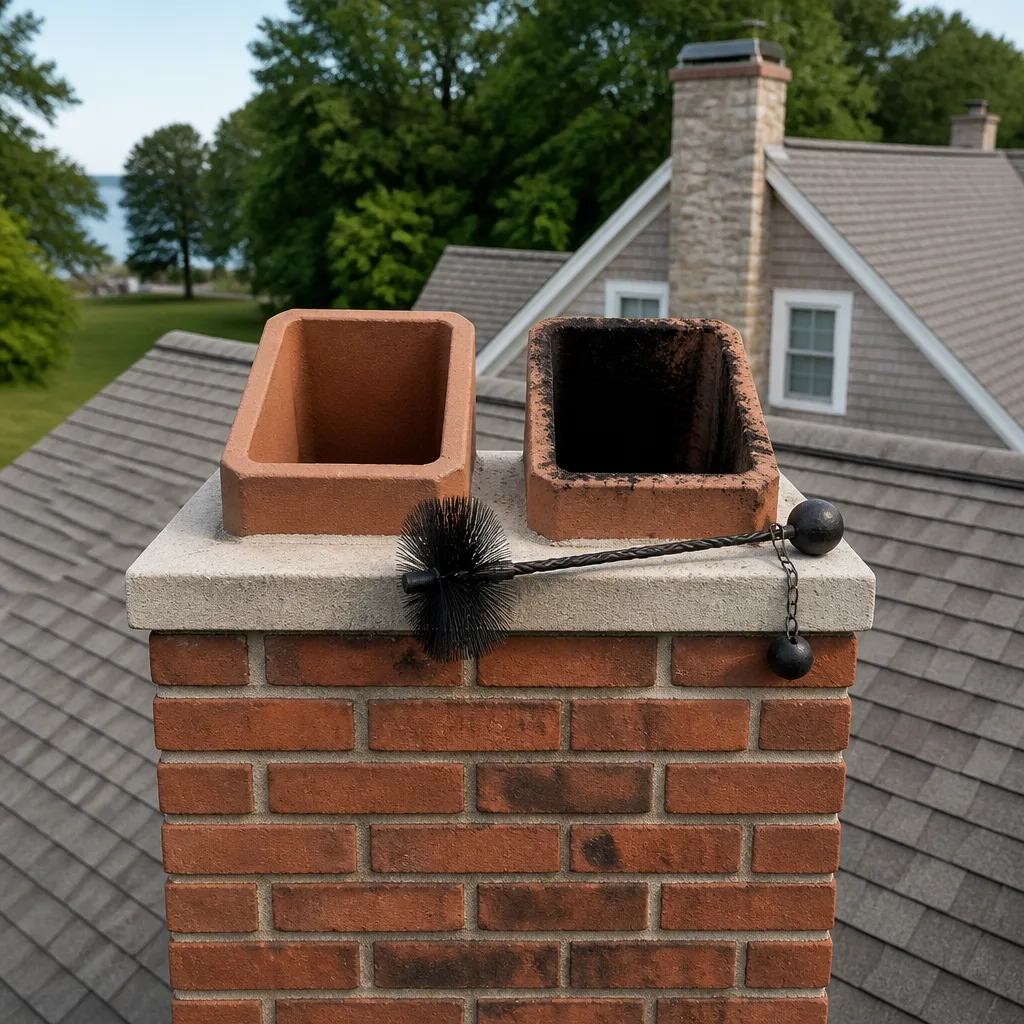 Sweep & inspection
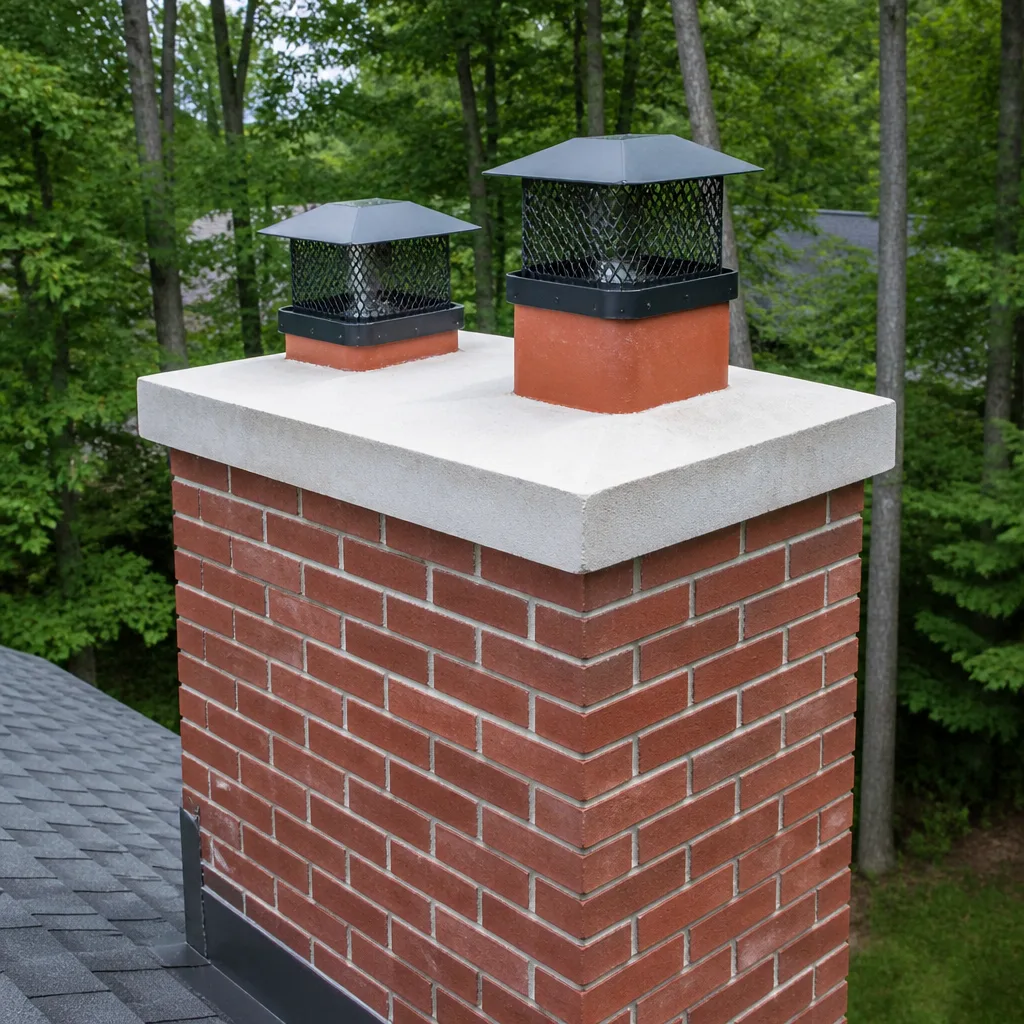 Caps & crowns
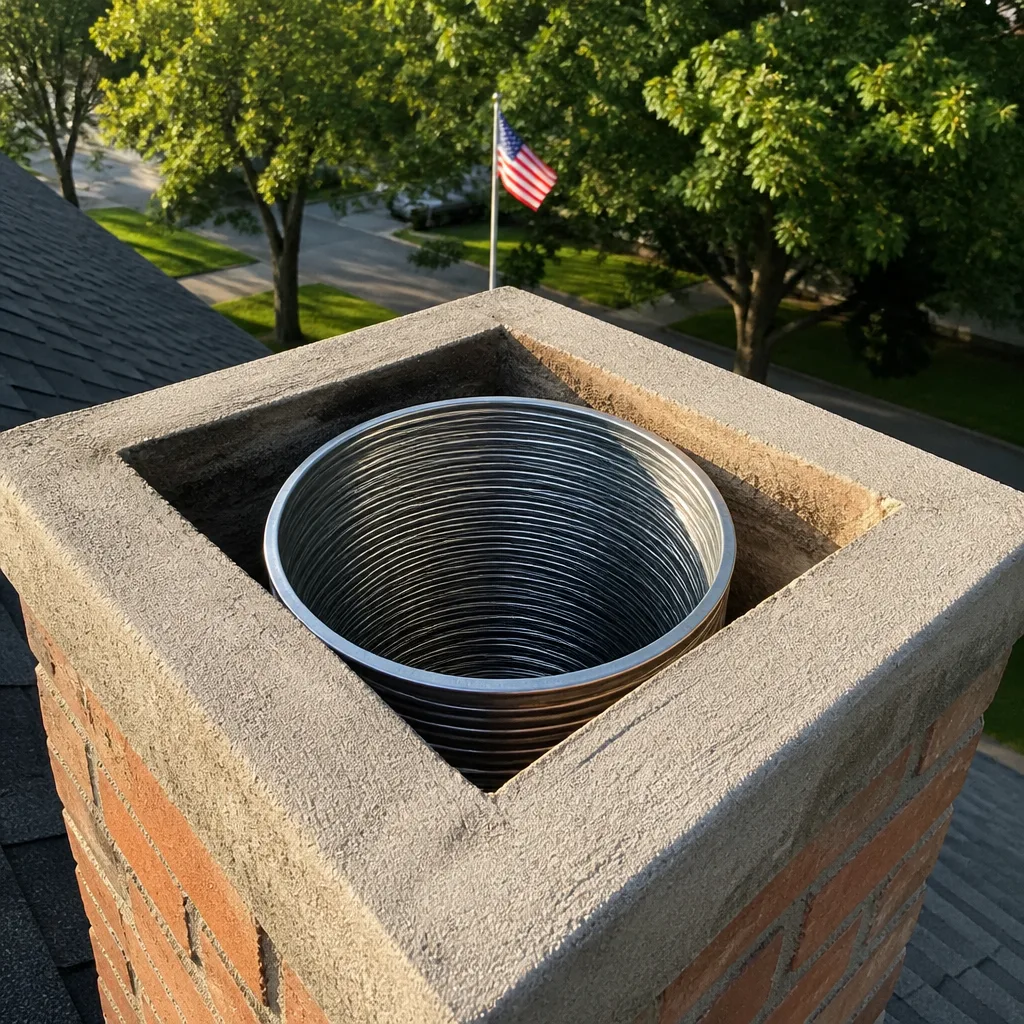 Flue relining
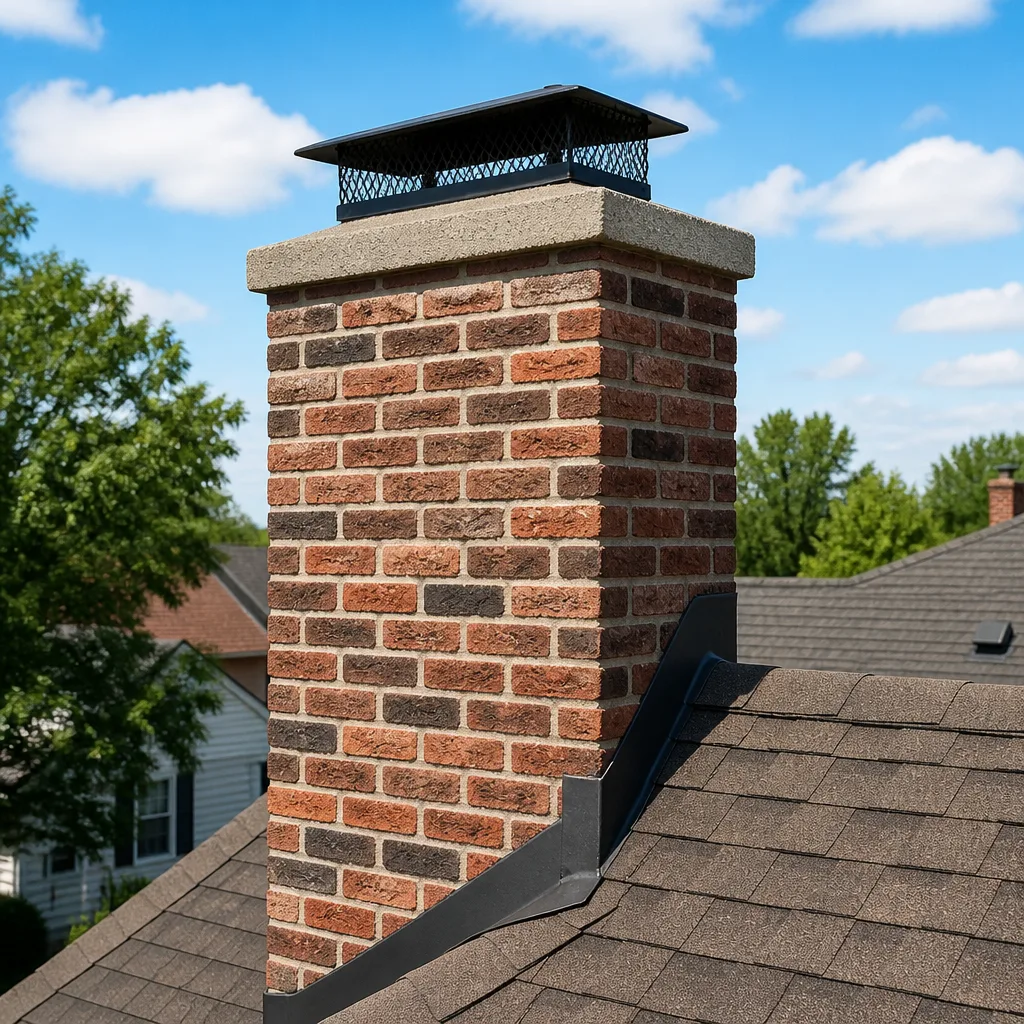 Masonry repair
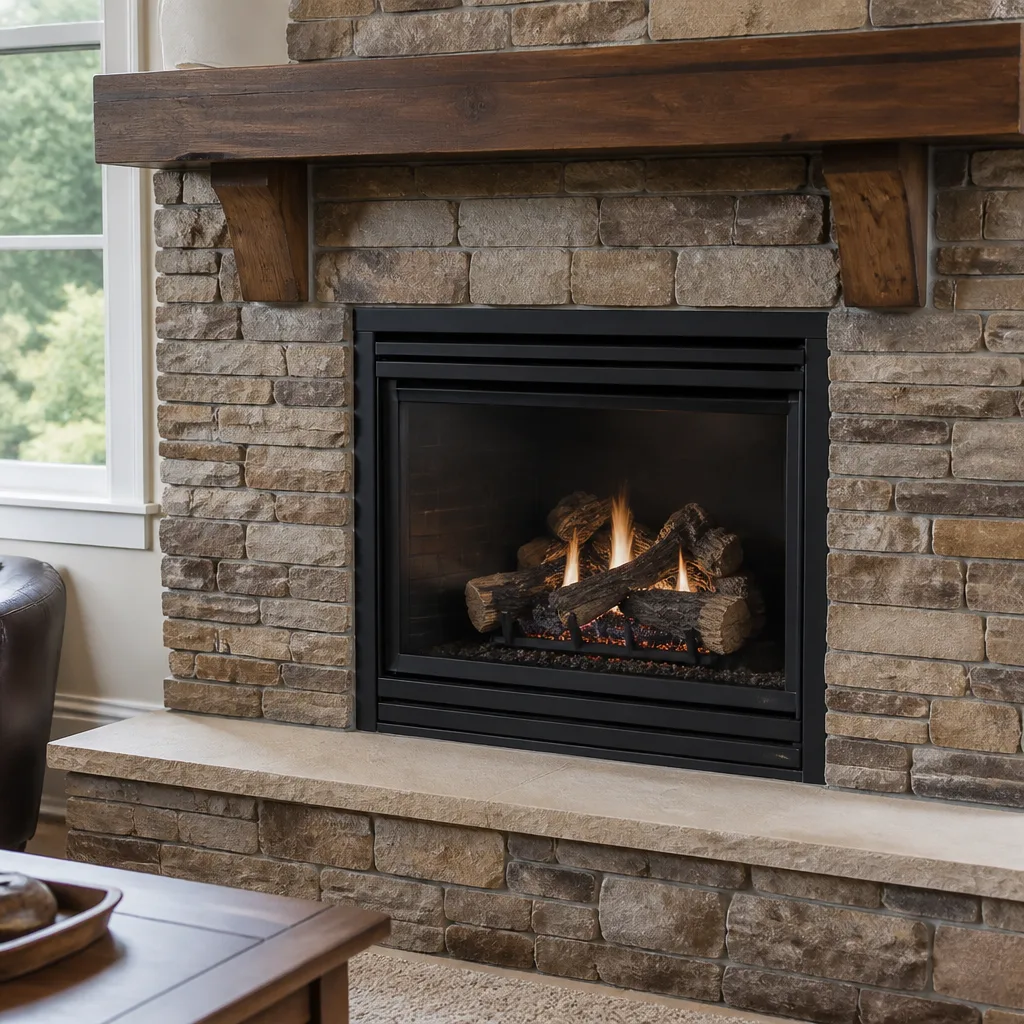 Gas fireplace service
Level 1 sweep and inspection to the NFPA 211 annual standard - flue, crown, cap, and flashing checked and photographed
Chimney sweep logs do not sweep chimneys. They loosen some creosote - which then falls where a brush and vacuum still have to collect it.
Chimney Sweep Troubleshooting in Lakewood: Common Problems and How to Fix Them
If you’ve been told your fireplace “just smokes sometimes,” you’ve been given a non-answer. Every chimney problem has a mechanical reason behind it, and vague explanations are what happen when a generalist doesn’t know where to look. Smoke rolling into the room on a cold start, a sour smell in July, a fire that sulks instead of burning: those are symptoms with specific causes, and they don’t all trace back to creosote. Some come from pressure, some from flue sizing, some from a crown that stopped shedding water years ago. This guide maps each symptom to its likely source so Lakewood homeowners can stop guessing and act on the right fix.
Quick Answer
Most chimney problems in Lakewood fall into four categories: draft and pressure failures (backdraft, weak draw, smoke on startup), odor problems (creosote, moisture, or sulfur from a dormant flue), structural wear (cracked crowns, spalling brick, failed flashing), and component failures (sticking dampers, damaged caps, deteriorating liners). Each has a distinct signature you can often narrow down before anyone arrives. A trained technician confirms it with a camera inspection rather than a guess.
Styles & brands we work with
- Sweep & inspection
- Caps & crowns
- Flue relining
- Masonry repair
- Gas fireplace service
Table of Contents
- Why does my chimney backdraft in Lakewood?
- How do sealed, newer homes cause draft failure without creosote?
- What does a sulfur or ash smell mean versus a smoke smell?
- Is it the damper or the flue size when smoke enters the room?
- What can homeowners safely check from the firebox?
- Why doesn’t opening a window actually fix backdraft?
- What structural problems show up on Lakewood chimneys?
- How often should a Lakewood chimney be swept?
Why Does My Chimney Backdraft in Lakewood?
Backdraft means smoke or flue gases are moving the wrong way, down into the room instead of up and out. The most common cause is a pressure imbalance between the house and the outside, not a dirty flue. When indoor air pressure runs lower than outdoor pressure, the chimney pulls air down through it, and any appliance using that flue will struggle.
Three things trigger that imbalance most often:
- Exhaust fans running at the same time as the fire. Kitchen vents, bath fans, and clothes dryers push air out of the house, and the chimney ends up competing for replacement air.
- A cold flue on startup. A masonry chimney holds cold air until a fire warms it, and that cold plug can push smoke into the room before the flue reverses.
- An obstruction at the top. A partially collapsed cap, a bird nest, or a shattered flue tile can block the exit, and the flue backs up rather than draws.
In Lakewood, the climate is mild enough that many fireplaces sit idle for months at a time. A flue that has been cold and unused develops a stubborn plug of dense cold air, which is why the first fire of the season tends to be the smokiest. That’s not a mystery. It’s physics, and a technician can confirm whether the cause is pressure, blockage, or column temperature before recommending anything.
If backdraft only happens on cold starts and settles once the fire is going, you’re likely looking at a temperature problem. If it happens mid-fire and gets worse when the kitchen fan comes on, it’s a pressure problem. That distinction matters, because those two issues have different fixes.
How Do Sealed, Newer Homes Cause Draft Failure Without Creosote?
Tighter homes are more comfortable and cheaper to condition, but they starve a chimney of the air it needs to draw. A house sealed against the outside can’t replace the air its exhaust appliances push out, and the chimney becomes the easiest path for air to come in. That means a flue that looks clean on camera and still won’t pull.
This is one of the places where a generalist and a chimney specialist part ways. If a technician arrives with no pressure meter and no understanding of makeup air, the answer will be “your flue is clear, so it must be your imagination.” Homeowners in Lakewood whose homes were built or retrofitted with tight envelopes run into this more than they expect, especially when a fireplace shares a room with a modern kitchen hood.
What we check in that situation:
- Measure the pressure differential between the room and the outside with the exhaust appliances running.
- Confirm the flue’s actual internal size and compare it against the appliance’s requirements. An oversized flue won’t hold enough heat to sustain a draw.
- Inspect the cap and the top of the flue for anything narrowing the exit, including a cap meant for a different flue type.
- Recommend a remedy that fits the home. Sometimes that means a dedicated outdoor air source. Sometimes it means relining to the correct size. Rarely does it mean a second sweep.
An oversized flue is a common find in older Lakewood homes where an appliance was replaced and the flue was left as-is. When the appliance isn’t matched to the flue, the fix is often a properly sized liner. We install chimney sweep-adjacent liner work using DuraFlex stainless liners, because a liner that fits the appliance is what makes a draw stable, not a liner that happens to be available.
What Does a Sulfur or Ash Smell Mean Versus a Smoke Smell?
A sulfur, rotten-egg, or musty ash smell in summer and a smoke smell during active fires are two different diagnoses. The first is almost always a moisture and organic-matter problem in an idle flue. The second is a draft or combustion problem while the fire is running. Treating them as the same thing is where homeowners waste money.
The summer smell: dormant flue with moisture and creosote
When a chimney goes unused and warm, humid air settles into it. Creosote and ash that weren’t fully cleaned absorb that moisture and start to break down biologically. The result is a sour, acrid, or ashy smell that drifts down the flue and into the living space even with no fire burning. It’s strongest in the hottest weeks, when the temperature difference between a warm flue and a cool house pulls that air inside.
The fix is usually a thorough sweep to remove the creosote and ash, followed by a check for moisture sources: a missing or undersized cap, a cracked crown, or a flue liner that’s letting water through. Adding an appropriate cap with a proper spark screen and confirming the crown sheds water away from the flue is what stops the smell from returning next summer.
The smoke smell: an active-fire problem
Smoke odor during or right after a fire points to incomplete draft, which traces back to pressure, a partial blockage, or a flue that’s not warming enough. Sometimes the creosote itself is glazed and smolders long after the fire dies, which is a specific safety concern rather than just an annoyance.
One more pattern we see in Lakewood: a gas fireplace that smells faintly of sulfur on a cold evening. That’s usually a pilot or appliance issue, not a chimney one, and it’s worth telling your gas utility and having the appliance checked, because a sulfur smell near a gas appliance shouldn’t be guessed at.
If either smell shows up, don’t try to mask it with a scented candle. Get it diagnosed. The technician will photograph what’s inside the flue so you can see whether the cause is buildup, moisture, or something structural.
Is It the Damper or the Flue Size When Smoke Enters the Room?
When smoke comes into the room at startup, homeowners often assume the damper is broken. It’s worth checking what’s actually happening, because a stuck damper and an undersized or oversized flue produce different patterns of smoke.
Signs it’s the damper
- The smoke enters almost immediately when the fire is lit, before any heat builds.
- You can’t feel any movement of air when you hold your hand near the damper opening with the fire laid but not lit.
- There’s visible creosote or rust on the damper plate, or the linkage doesn’t fully open.
- The damper doesn’t sit flat against its frame, either stuck open or stuck closed.
Signs it’s the flue
- Smoke rolls back once the fire builds, especially as flames grow.
- The chimney draws fine when the fire is small and fails when it gets larger.
- The room fills with smoke when an exhaust fan runs, which a damper alone wouldn’t explain.
- The fire smolders and produces more smoke than a healthy fire should.
The distinction matters for the same reason a stuck valve matters on a plumbing repair: the symptom looks similar, but the part to fix is in a different place. A damper issue is repairable at the firebox. A flue sizing issue requires relining, or in some cases a different appliance.
If the damper is the problem, we can usually restore it or recommend a top-sealing replacement as part of fireplace repair. If it’s flue, the camera will show you why before anyone recommends a liner.
What Can Homeowners Safely Check From the Firebox?
Nothing is more useful before a service visit than a homeowner who can describe what they see. Here’s what you can confirm safely from the firebox, with no ladder and no tools:
- Spalling on the firebrick. Look for flaking, crumbling, or powdery brick faces inside the firebox. That’s firebrick that’s taken on heat and moisture and is starting to fail. It’s a safety issue, not a cosmetic one.
- Efflorescence. A white, chalky crust on masonry means water is moving through it and leaving salts behind. Where you see it tells a technician where the leak is likely coming from.
- Smoke staining lines. A dark streak running up a specific side of the firebox means the smoke has been traveling that way rather than straight up, which often points to a flue that’s off-center, tilted, or partially blocked.
- Damper movement. Note where the damper handle sits when fully open and fully closed, and whether it moves freely with no grinding.
- Creosote build-up. A visible glaze on the firebox walls, especially a shiny black texture, is worth calling about before the next fire.
What you should not do is climb onto the roof or reach up inside the flue. Cracked flue tiles, deteriorated mortar joints, and loose caps are invisible from the firebox and dangerous to check without a trained eye and the right ladder. A camera inspection is what confirms the inside of the flue and the top of the chimney; we include that with a chimney cap & crown assessment, because the top is usually where the water and the damage both enter the system.
Why Doesn’t Opening a Window Actually Fix Backdraft?
Opening a window sometimes stops the smoke from rolling into the room, and that’s exactly the problem. It masks a cause that keeps getting worse. The window gives the chimney an easier path for air, which restores enough draw to move smoke up for the moment. It doesn’t address why the flue was failing in the first place.
There are three reasons this matters:
- A liner problem won’t fix itself. A cracked or deteriorated flue tile lets heat and gases into the surrounding masonry, and a window can’t prevent that.
- A blockage keeps blocking. A bird nest or a collapsed cap is still there after the window closes.
- A drafting issue tends to widen. A flue that couldn’t draw a small fire eventually can’t draw a normal one, and the window becomes a habit rather than a solution.
In Lakewood, where fireplaces often sit through long mild stretches between uses, the “open a window” fix is easy to adopt and easy to forget. By the time a homeowner notices the fireplace fails on a windier evening even with the window open, the underlying issue has usually gotten more expensive to fix than it would have been a season earlier. That’s the real cost of a masking fix.
The professional version of “open a window” is a proper pressure diagnosis: measure the pressure, inspect the flue, and align the appliance to the flue it’s actually venting into. That’s a different scope than sweep-only providers offer, and it’s what keeps a Lakewood fireplace safe beyond looking clean.
What Structural Problems Show Up on Lakewood Chimneys?
A chimney is a masonry tower with thirty or forty years of exposure behind it, and even a mild climate is enough to work on the mortar and the crown over time. The most common structural findings we see in Lakewood:
- Cracked or eroded crowns. The crown is the concrete slab at the top of the chimney meant to shed water outward. A crown with a hairline crack lets water into the masonry, which is where most of the following problems begin.
- Missing or failed caps. A cap that’s come loose or was never installed lets rain, birds, and debris straight into the flue.
- Spalling brick on the exterior. Brick that’s flaking or popping off the chimney’s face has absorbed water and is starting to fail.
- Deteriorated mortar joints. Recessed or crumbling mortar between bricks lets in water and weakens the structure.
- Damaged or loose flashing. The metal seal where the chimney meets the roof is where most roof leaks near a chimney start.
The pattern behind almost all of these is water. A chimney crown that sheds water correctly, a cap that seals the top, and flashing that’s tight at the roof line protect the rest of the system from the inside out. That’s why we treat a chimney cap and crown as a dedicated service rather than an upsell. Installing proper caps and crowns from Copperfield and Famco is a preventive step, not a repair to postpone.
When structural repair is needed, we handle it under the same roof as the inspection, so nothing is handed to a second contractor who has to be brought up to speed. It’s the single-specialist model: the person who finds the problem fixes it, using HeatShield for flue resurfacing when the inside of the flue needs restoration rather than replacement.
How Often Should a Lakewood Chimney Be Swept?
For a wood-burning fireplace used regularly through the cool months, most chimney professionals recommend an annual inspection and a sweep when buildup reaches about an eighth of an inch of creosote. For a fireplace used sparingly, the inspection is still the annual event, even if a sweep isn’t. Gas fireplaces usually need inspection less often but not never, because venting and appliance condition still matter.
In Lakewood’s climate, “regular use” is a different number than in a colder state. A homeowner who burns through three or four mild months sees far less creosote than someone burning all winter in a colder climate, but they also tend to leave the flue idle longer between seasons, which is exactly when moisture and odor problems take hold. So the annual inspection matters for a Lakewood chimney even in a light-burning year. Call (888) 839-3160 and we’ll tell you what your chimney actually needs, based on what we see with the camera, not on a guess.
If you’re not sure whether your chimney has ever been swept, that alone is a reason to book an inspection. A camera check takes minutes and settles the question for the price of the visit, and we include the photo report with the sweep so you can see what was there before we cleaned it.
Common Mistakes to Avoid
- Assuming backdraft is always a creosote problem. In a sealed, newer Lakewood home, draft failure is often about pressure, not buildup. Sweeping a clean flue solves nothing and delays the actual fix.
- Ignoring the summer smell. A sulfur or ash odor in July isn’t just annoying. It usually points to moisture entering a flue that needs a cap or crown repair, and the longer it sits, the more damage the water does.
- Climbing onto the roof to check the cap. A deteriorated cap, a loose flashing, or a bad brick can look fine from the ground and fail the first time someone puts weight on it. This is exactly the kind of shortcut that sends people to the ER.
- Treating “open a window” as a permanent fix. It masks a liner, blockage, or sizing problem that will keep getting worse. It doesn’t fix anything, and it puts off the diagnosis that would.
- Using a general handyman for chimney work. A handyman may be able to clean a flue, but chimney diagnosis involves liner integrity, flue sizing, crown and flashing detail, and appliance venting. Those are specialist tasks, and a generalist who treats a chimney as a side job will miss the ones that matter.
- Skipping the inspection on a gas fireplace. Gas fireplaces still vent, and a blocked or deteriorated vent in a gas appliance is a carbon monoxide risk. It’s not a “gasfire is safe because it doesn’t burn wood” situation.
- Wait-until-it-fails mindset. A chimney that only acts up once a season is a chimney that’s already telling you something. The good news is that most of what we find is early enough to repair inexpensively. Postponing doesn’t make it cheaper.
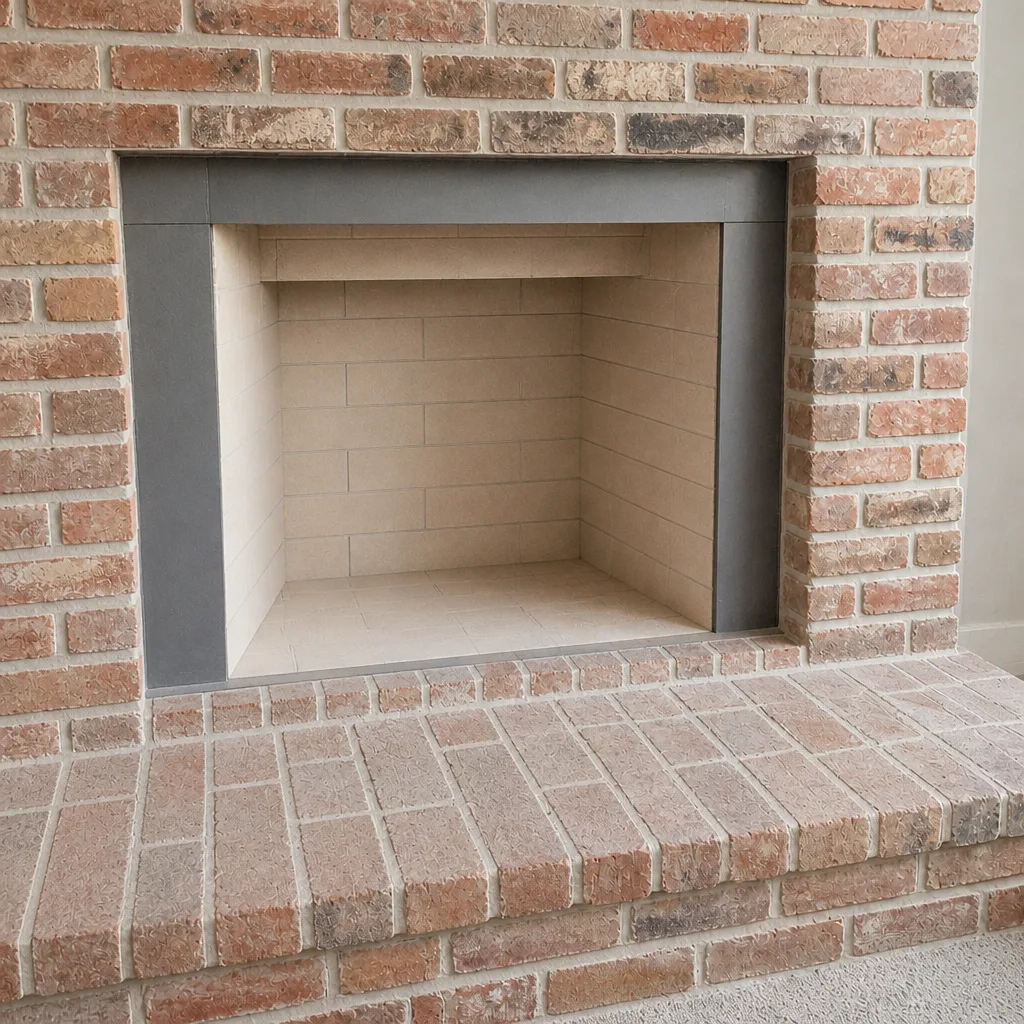
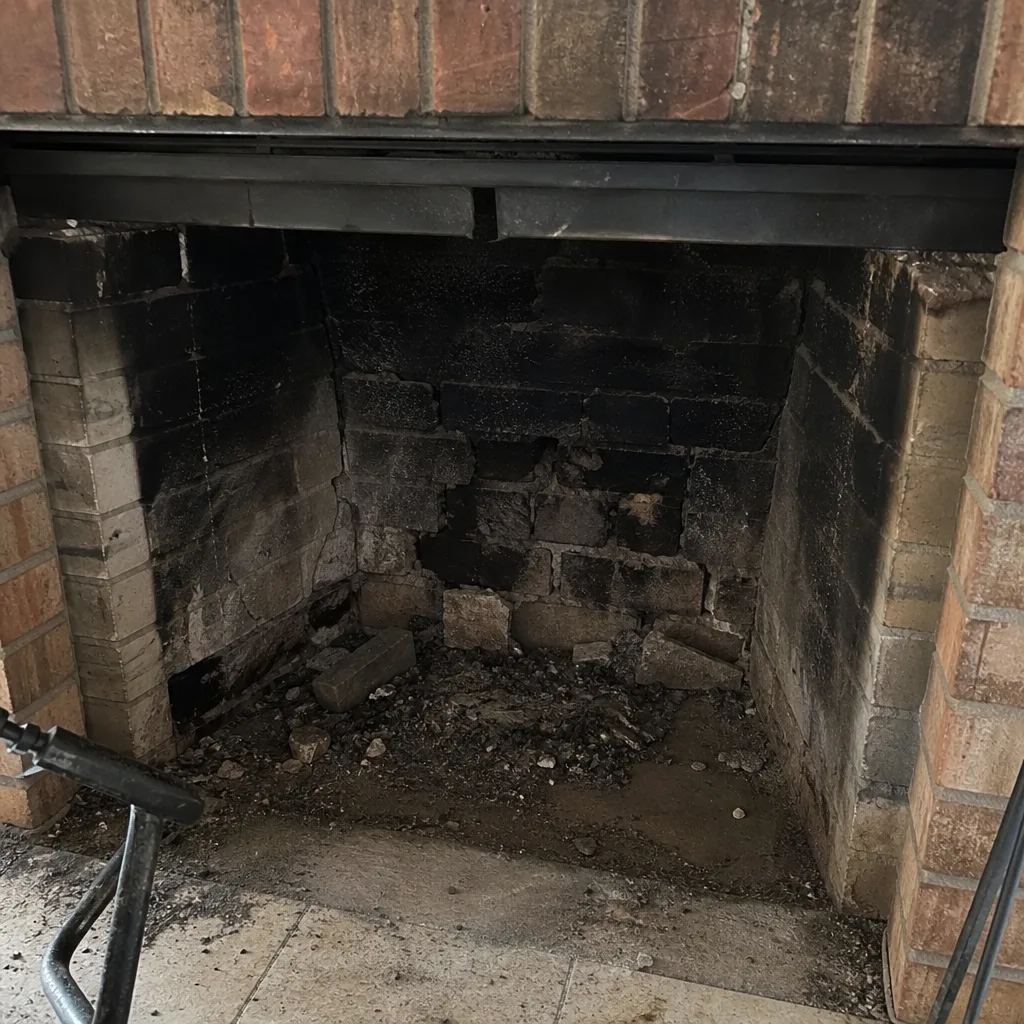
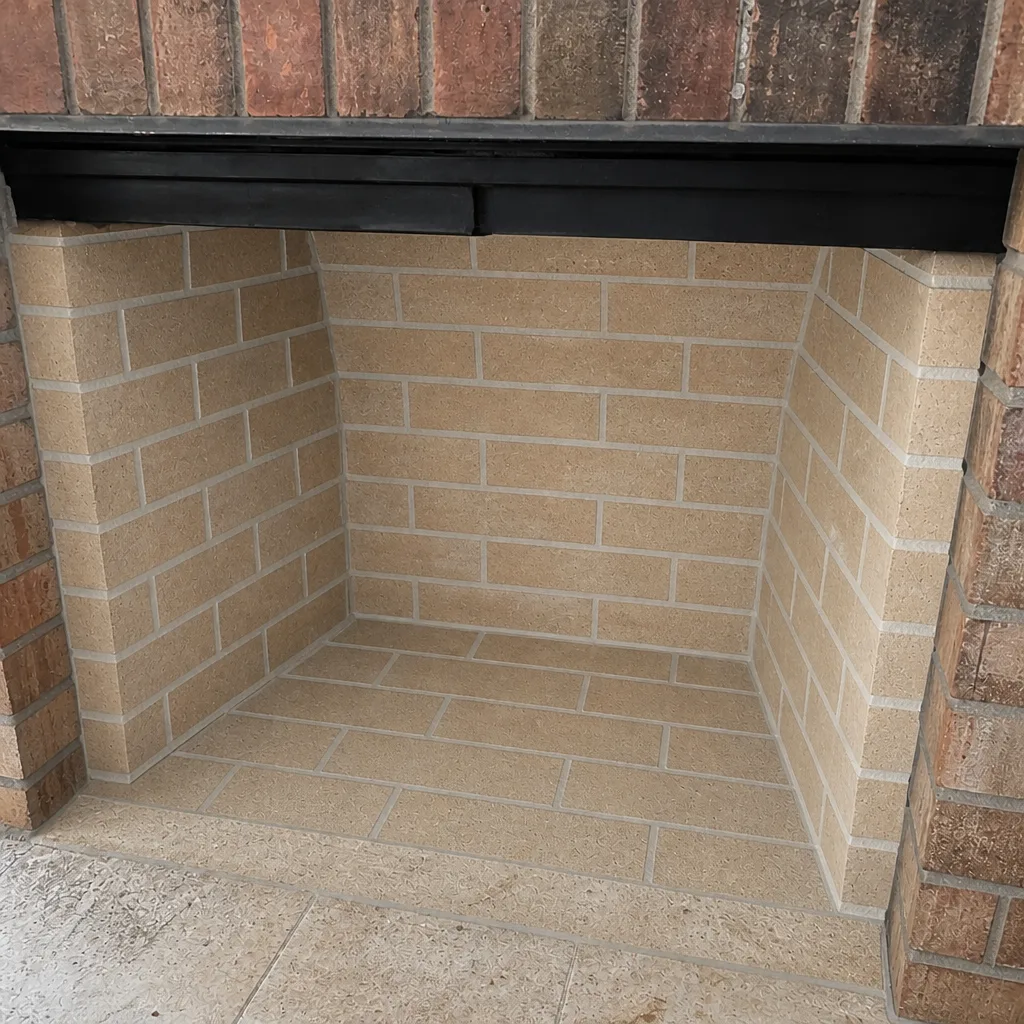
See the difference
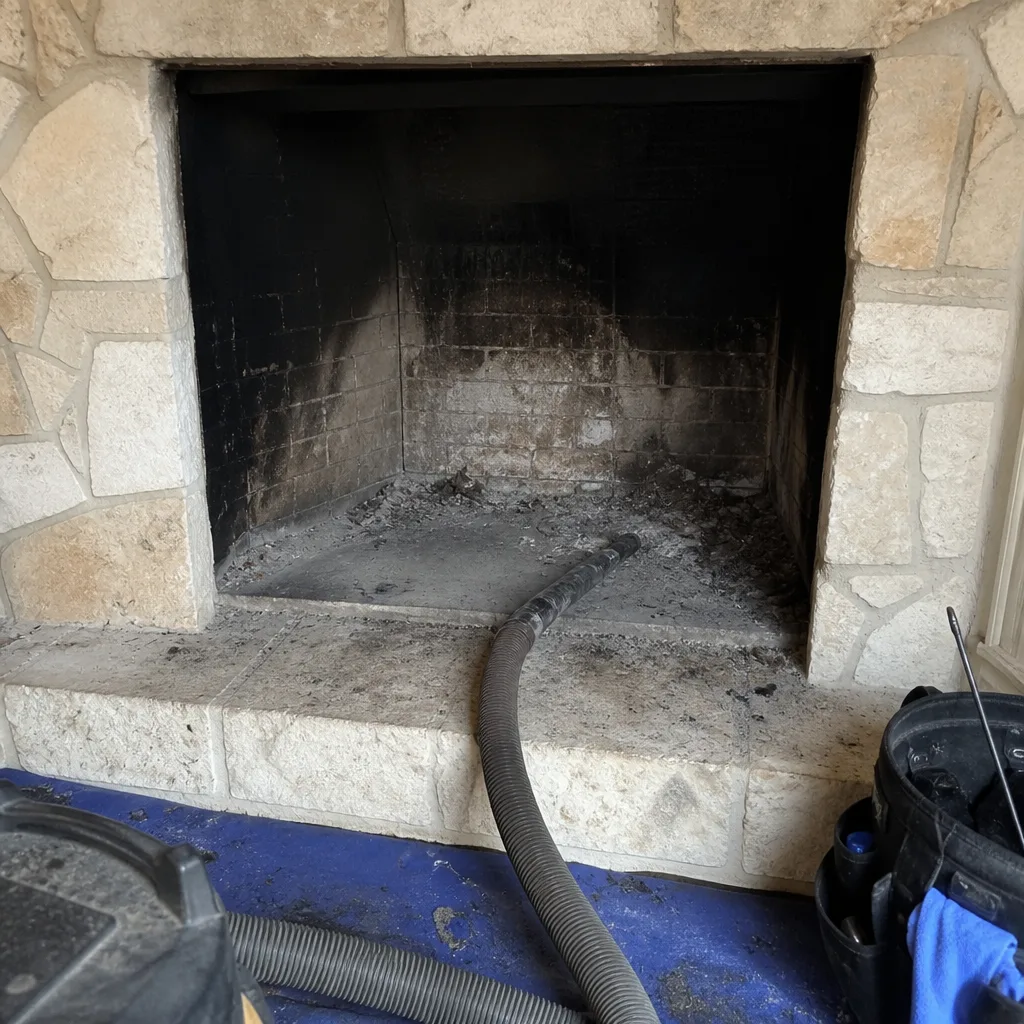 Before
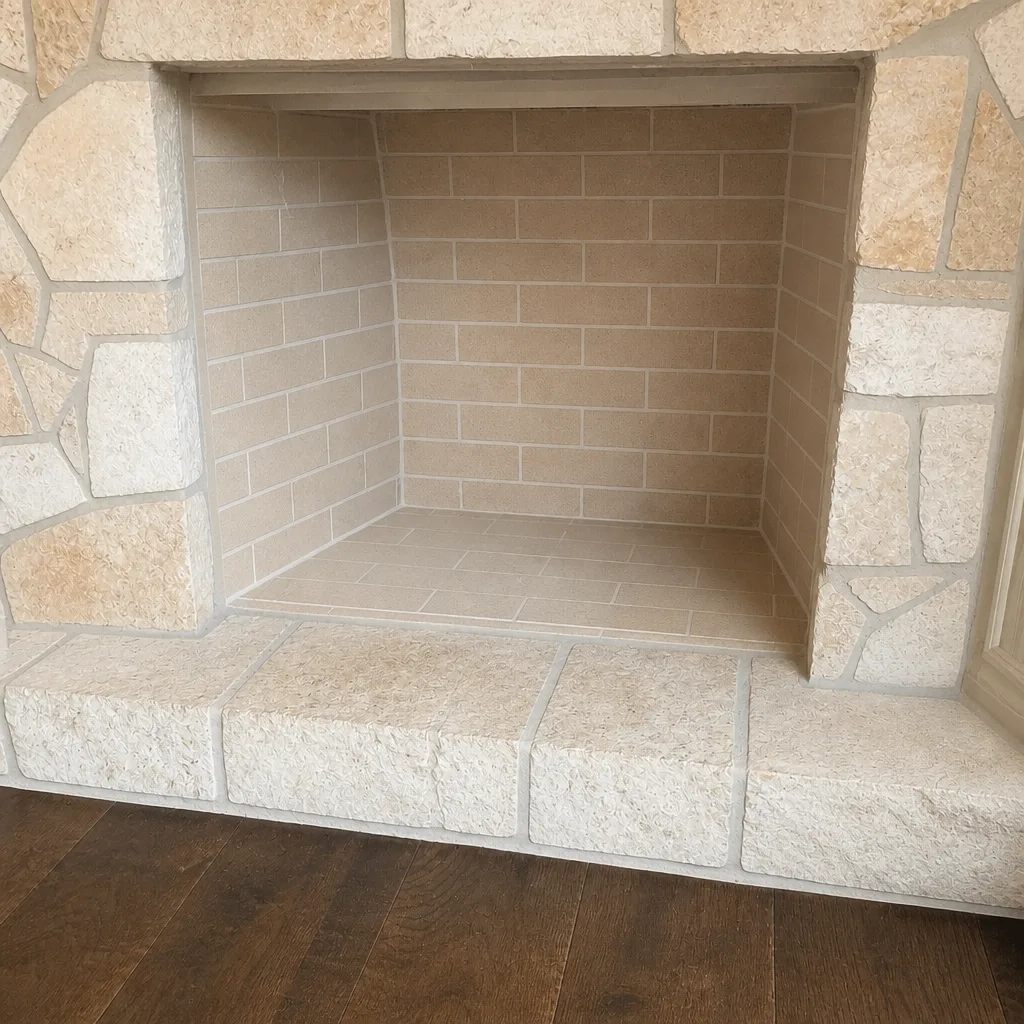 After
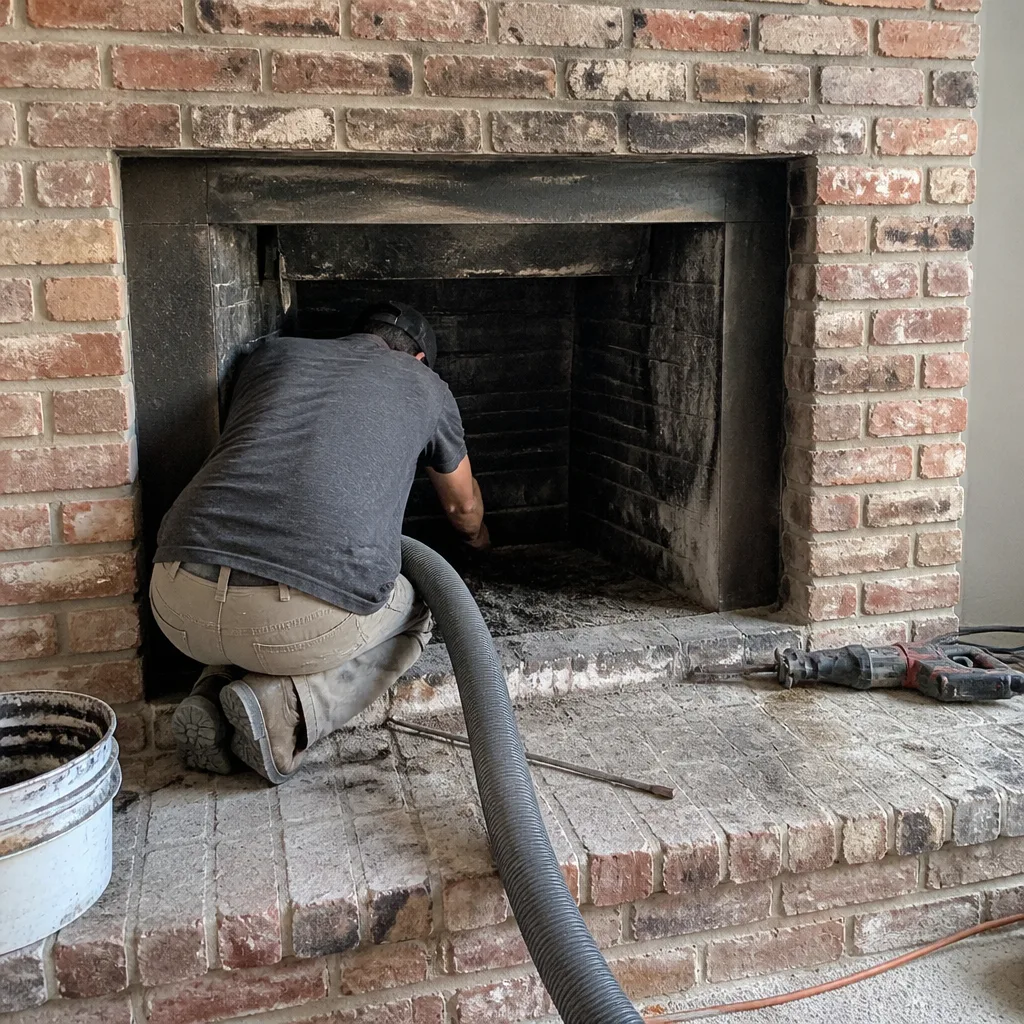 Before
 After
 Before
 After
When to Call a Professional
Call for a professional inspection if any of these apply: you’ve never had the chimney inspected or don’t know when it last was; you’ve noticed smoke entering the room at any point; you’ve seen a sulfur or ash smell in summer; there’s visible spalling, efflorescence, or smoke staining in the firebox; the damper sticks or doesn’t seat; or you’ve found damage to the crown, cap, or flashing. Gas fireplaces should be checked too, especially if the venting has never been inspected. Lakewood Chimney Sweep Pros offers free estimates in Lakewood. Call (888) 839-3160. We answer 24/7. Fast dispatch from 7am to 7pm, Sunday through Friday.
One honest note about cost: many of the issues in this guide can safely wait for a scheduled visit, especially odor problems and damper sticking. Issues involving backdraft with smoke entering the room, visible damage inside the firebox, or a gas appliance acting differently are worth acting on sooner because they touch on fire and carbon monoxide risk directly, not because your chimney is about to collapse. Anyone who tells you otherwise without showing you camera evidence is guessing.
Frequently Asked Questions
Draft-related problems: backdraft, weak draw, and smoke rolling into the room on startup. Most of these trace back to a pressure imbalance in a sealed home, a flue that’s empty and cold, or a partially blocked flue at the top. A camera inspection separates those causes quickly, and the fix is usually a liner, a cap, or an adjustment to airflow rather than a sweep.
A sulfur, musty, or ashy smell in a warm month almost always means moisture mixing with creosote and ash in an idle flue. The cure starts with a thorough sweep and a check for water entering through a missing cap or cracked crown. It’s a different diagnosis from smoke smell during a fire, which points to draft or combustion. Call (888) 839-3160 for a free estimate and we’ll confirm which one it is.
Not always. A liner is recommended when the camera shows visible cracking, joint separation, or deterioration that lets gases and water into the surrounding masonry. If the flue is sound but sized wrong for the appliance, a properly sized liner is still the right fix. Nothing is recommended without a photo report you can see for yourself, and if the liner is intact, we’ll tell you so.
Inspect annually if you use the fireplace at all, and sweep whenever creosote reaches about an eighth of an inch. Light use in Lakewood’s mild climate often means the sweep isn’t needed every year, but the annual inspection still is, because odor and structural problems show up in idle flues even without heavy buildup. Call (888) 839-3160 for a free estimate and we’ll confirm what yours needs.
Two different risks show up: creosote that reaches a thickness capable of sustaining a chimney fire, and carbon monoxide escaping into the living space through a cracked flue or blocked vent. Structural problems like crown cracks also tend to widen once water gets into them, and a small repair can become brick and mortar work. None of that is guaranteed to happen, but all of it is the direction things go without inspection. Call (888) 839-3160 for a free estimate.
Many problems can be diagnosed the same day you call, and some repairs can be done the same day. Complex repairs, especially liners and structural work, are scheduled after the inspection so the fix is planned against what the camera shows rather than on the spot. We answer 24/7 and fast dispatch runs 7am to 7pm, Sunday through Friday.
The Bottom Line
Almost every chimney problem in Lakewood has a specific mechanical cause: pressure imbalance, flue sizing, moisture entry at the cap or crown, or a component failure at the damper or liner. The symptom tells you which category to check, and the camera tells you which specific part. Masking symptoms with an open window or a scented candle only delays the fix and lets a small problem grow into structural work. If you’re ready to skip the guessing, start with a sweep and inspection and get the whole system assessed at once. We’re a chimney-only specialist, we install professional-grade brands like DuraFlex, HeatShield, Famco, and Copperfield, and the same provider who inspects also repairs. Explore our service through Lakewood Chimney Sweep Pros, call (888) 839-3160 for a free estimate, and get a plan you can actually see in the photos before anything is committed.
Written by the team at Lakewood Chimney Sweep Pros.