
Last updated November 25, 2026
 Sweep & inspection
 Caps & crowns
 Flue relining
 Masonry repair
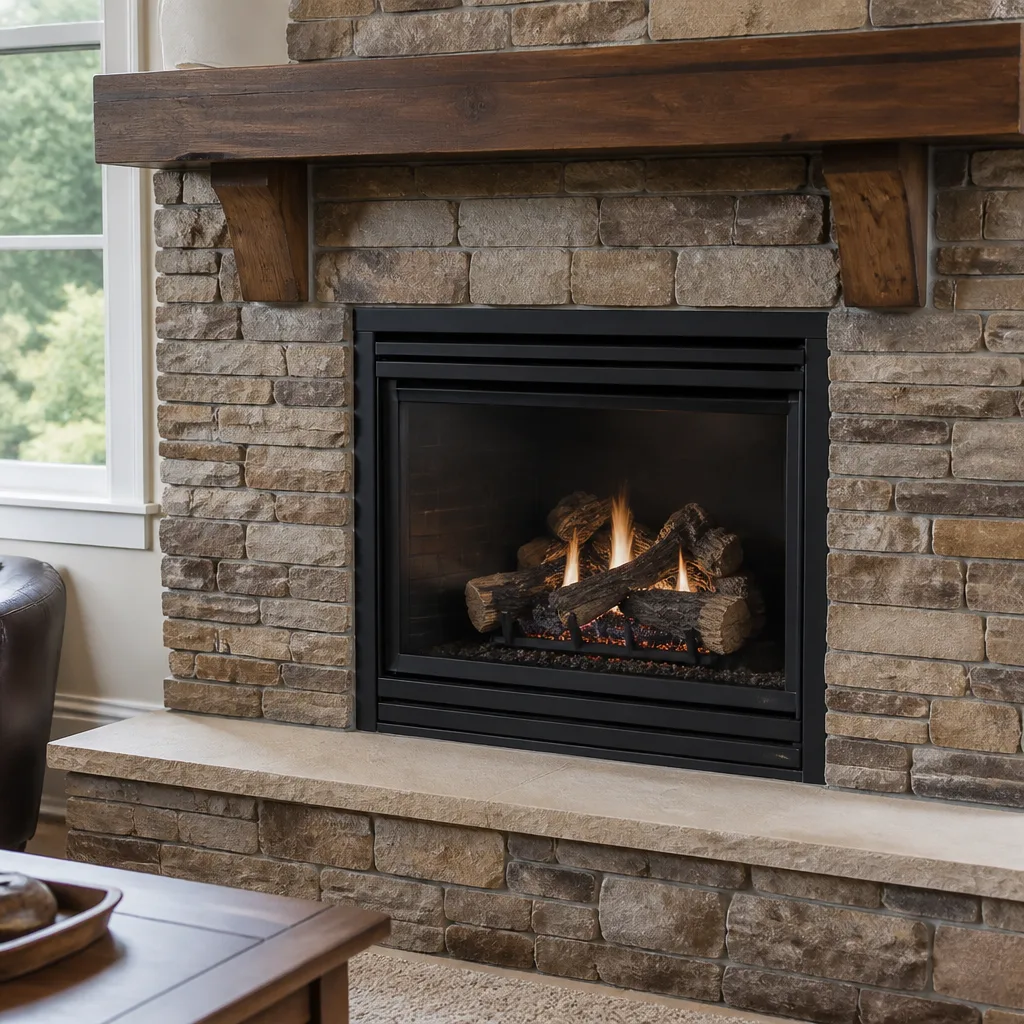 Gas fireplace service
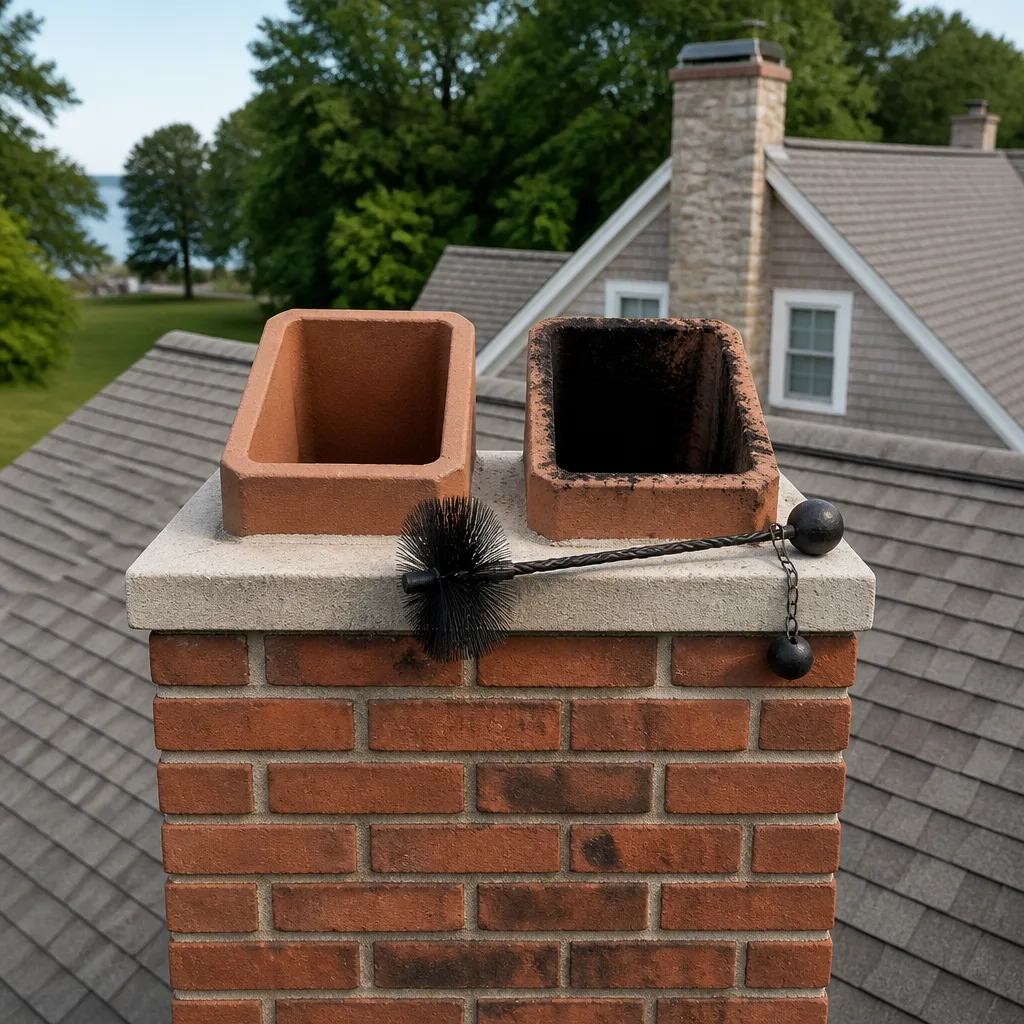
Level 1 sweep and inspection to the NFPA 211 annual standard - flue, crown, cap, and flashing checked and photographed
Chimney sweep logs do not sweep chimneys. They loosen some creosote - which then falls where a brush and vacuum still have to collect it.
DIY vs Professional Chimney Cleaning: The Lakewood Homeowner’s Decision Guide
Most chimney cleaning conversations start in the wrong place. A homeowner buys a brush kit, runs it down the flue, sees black soot come out, and figures the job is done. Here’s the part that never makes it onto the packaging: that brush addressed exactly one component of a system with several. It scraped loose creosote off the walls of a straight flue. It did not show anyone the smoke chamber, the crown, the liner joints, or the stage 2 deposits that harden into something a homeowner brush cannot touch. This guide draws a clear line around what DIY cleaning genuinely covers, what it quietly misses, and how to decide which side of that line your Lakewood chimney falls on.
Quick Answer
DIY chimney cleaning can be adequate only for light, stage 1 creosote in a straight single-flue masonry chimney with an accessible cleanout, and only as a supplement between professional visits. It cannot replace a camera-based liner inspection, a smoke chamber evaluation, a crown assessment, or the removal of glazed stage 2 and stage 3 creosote. If you don’t know your liner’s condition or your last professional inspection date, DIY isn’t a shortcut, it’s a blind spot.
Styles & brands we work with
- Sweep & inspection
- Caps & crowns
- Flue relining
- Masonry repair
- Gas fireplace service
Table of Contents
- What a DIY Chimney Sweep Actually Covers
- The Four Conditions That Must Be True for DIY to Be Adequate
- What DIY Chimney Cleaning Cannot Do
- Why Misreading Creosote Stages Is Worse Than Not Cleaning at All
- The Insurance and Liability Angle Most Homeowners Miss
- The Honest Decision Matrix: Four Factors That Settle It
- How Lakewood Chimneys Specifically Fail
- The Safety Line: What You Should Never Do Yourself
What a DIY Chimney Sweep Actually Covers
A competent homeowner can accomplish one thing well: removing light, flaky creosote from the accessible portion of a straight flue. That’s real, and it has value. Stage 1 creosote is soot and feathery deposit that a poly brush or a correctly sized flue brush will knock loose. On a simple masonry chimney with one flue, a cleanout door at the base, and a firebox you can reach, a careful homeowner with the right brush diameter can clear that deposit along most of the flue run.
But that’s the ceiling of DIY, not the floor of a real cleaning. A professional chimney sweep covers the same ground and then keeps going. Here’s the honest comparison of what each method touches:
- Flue walls (straight run): DIY can reach this with a brush. A pro reaches it too, plus the bends and offsets a brush alone struggles with.
- Smoke shelf and smoke chamber: A pro can see and scrape this. DIY almost never does, because you can’t see up there from below.
- Firebox and damper: Both should inspect this. Damage often hides in the damper frame or firebox seams.
- Liner interior: A pro inspects every foot with a camera. DIY sees only what light reaches.
- Crown and cap: A pro checks this from the roof. DIY on a ladder cannot inspect the full crown surface.
- Creosote grade: A pro grades it stage 1, 2, or 3. DIY can’t grade what it can’t fully see.
The pattern is clear. DIY cleans the visible run of flue. A professional assesses the whole system from the firebox to the cap, which is what actual chimney safety depends on.
The Four Conditions That Must Be True for DIY to Be Adequate
DIY cleaning is not reckless. It is conditionally reasonable, and the conditions are narrow. For a homeowner-cleaned flue to be genuinely safe, all four of these must be true at the same time:
- Your system is straight and single-flue. No offsets, no two flues sharing a chimney, no back-to-back firebox. Once there’s a bend or a second flue, a brush can’t reliably reach every surface and the geometry works against you.
- Your creosote is stage 1 only. That means soot and light flaky deposit that brushes off easily. If you see shiny, tar-like, or hardened crust on the flue walls, you’ve moved past what a homeowner brush can remove.
- You have a documented professional inspection within the last year or two. This is the condition most homeowners skip. If nobody with a camera has looked inside the liner and confirmed its integrity, you don’t actually know whether DIY is safe for your chimney. You’re guessing.
- Your cleanout is accessible and you can safely reach the firebox. If the cleanout is blocked, if the firebox is behind a gas insert, or if your access requires climbing an unsafe roof, DIY isn’t practically available to you at all.
When all four of those hold, a homeowner can reasonably supplement between professional sweepings. When even one fails, DIY stops being a cleaning method and starts being a misunderstanding. And in Lakewood’s housing stock, where a lot of homes mix older masonry chimneys with newer inserts and wood stoves, those conditions are less common than they sound.
What DIY Chimney Cleaning Cannot Do
The gap between a homeowner brush and a professional sweep isn’t about effort. It’s about tools, training, and angle. There are four specific assessments that a homeowner on a ladder fundamentally cannot perform, and each one matters for a different reason.
Camera-based liner inspection
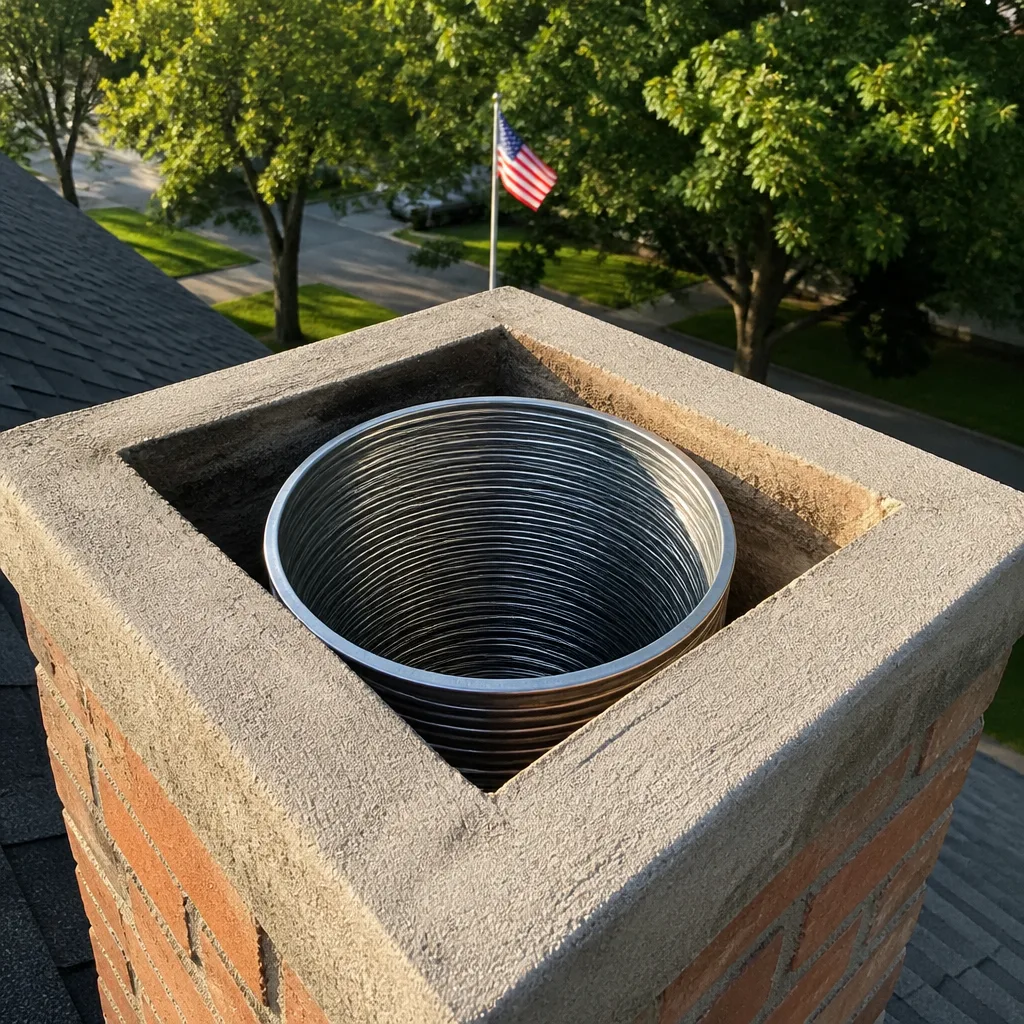
A professional flue camera sees every inch of the liner interior. That’s how a technician spots a hairline crack in a clay tile, a gap at a joint, or a spot where the original mortar has washed out. A cracked liner is a direct path for carbon monoxide into the home’s living space, and it is invisible from the firebox. No amount of flashlight work from below reproduces what a camera sees from inside. This is also what separates our shop from a sweep-only provider, because when a camera reveals a damaged liner, we can apply HeatShield flue resurfacing or install a DuraFlex stainless liner under the same visit rather than handing the finding to a second contractor.
Smoke chamber evaluation
The smoke chamber is the sloped transition between the firebox and the flue. It’s notoriously hard to see from below because it’s above the damper and above the firebox mouth. Deposits collect on its corrugated masonry and ignite faster than creosote in the flue because the surfaces are rougher and hotter. A professional sees it directly. A homeowner cannot see it at all, which means a homeowner who thinks the chimney is clean has usually never looked at the component that causes chimney fires most often.
Crown integrity assessment
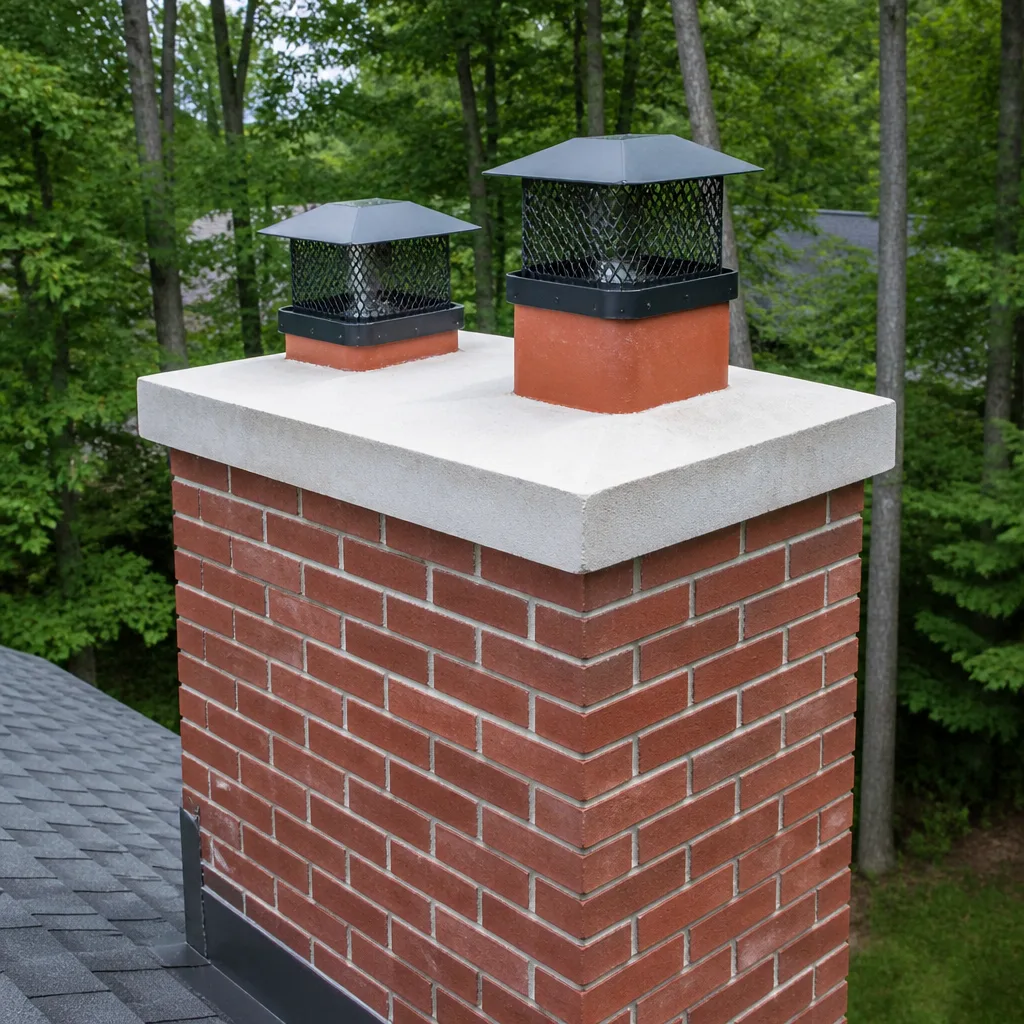
The crown is the concrete cap on top of the chimney that sheds water away from the masonry. When it cracks, hairline or not, water gets into the masonry structure, into the flue, and into the space above the damper. Repairing and replacing crowns correctly is a dedicated service we offer under chimney cap & crown, using Gelco crown materials and Olympia Chimney caps. The homeowner failure mode here is subtle: a small hairline crack looks cosmetic on a ladder but it’s the entry point for a slow, expensive masonry problem.
Glazed creosote removal
Stage 2 and stage 3 creosote is the tar-like deposit that hardens into a glaze on the flue walls. Brushing it does nothing except polish it. Removing it requires chemical treatment and mechanical tools, and it’s the deposit that directly fuels a chimney fire. A homeowner standing at the firebox cannot tell the difference between clean flue and glazed flue without doing exactly the inspection a pro does.
Why Misreading Creosote Stages Is Worse Than Not Cleaning at All
Creosote is graded in stages by professionals, and the stages describe behavior. Stage 1 is light and flaky, easily removed with a brush. Stage 2 is hardened, tar-like deposit that clings to the flue wall and resists brushing. Stage 3 is glazed, glossy, and dense, essentially a solid fuel layer lining the flue. The step from stage 1 to stage 2 happens faster than most homeowners expect, especially with a wood stove run at low damper settings or with unseasoned wood.
Why does misreading this matter more than not cleaning at all? Because cleaning at stage 1 builds confidence. A homeowner who has cleaned successfully once at stage 1 will do the same thing next season, and the next, and the creosote thickens in the background without any visible cue. By the time it’s stage 2, the flue looks black, but so does a stage 1 flue. The signal is missing. That is the false sense of safety: a chimney that is regularly cleaned, feels handled, and is quietly accumulating exactly the deposit that starts fires.
Professional sweeps grade creosote in place, on camera, with the full flue visible. When we report stage 2 or 3, we show the homeowner the photographic evidence so they can see it themselves. That’s how you actually close the gap between “cleaned” and “safe.”
The Insurance and Liability Angle Most Homeowners Miss
Most homeowner policies don’t mandate annual cleaning outright, but they do expect the homeowner to maintain the chimney in reasonable condition. The specific mechanism that trips claims isn’t a cleaning order, it’s documentation. After a chimney fire, adjusters investigate the cause, and the first thing they ask for is a record of professional cleaning and inspection. Without it, a claim can be denied or substantially reduced on the basis of neglect.
That documentation piece is worth pulling apart more carefully:
- Homeowner cleaning doesn’t generate a record. Nothing goes into a file, no inspection report exists, no photos of the flue interior are saved anywhere.
- Professional cleaning generates a paper trail. A sweep typically records the date, the creosote grade found, and any defects noted. Many policies look more favorably on a claim when that record exists.
- A written inspection report is the more valuable document. Cleaning tells the insurer the chimney was maintained. Inspection tells the insurer the chimney was safe at a known date, which is a different and stronger position after a fire.
- Documentation matters if you sell the home. Chimney records come up in home inspections, and buyers’ agents commonly ask for them.
Should you read your policy language yourself? Yes, and directly. Coverage varies between carriers, and nothing here replaces the specific wording of your own policy. But the general pattern across the industry is straight: documented professional service strengthens a chimney claim, and the absence of records weakens it.
The other liability angle is if you rent, or if someone else uses the fireplace. A homeowner who cleans their own chimney cannot document that it was safe for anyone else to use. Once a tenant or guest has relied on that chimney, the question of who maintained it becomes a much bigger issue.
The Honest Decision Matrix: Four Factors That Settle It
Four factors determine whether DIY is a reasonable supplement or a genuine liability. Rank them honestly. Any one of the “call a pro” answers below outweighs the rest.
Chimney age and construction
Newer factory-built metal chimneys and older masonry chimneys are not the same animal. Metal chimneys have specific clearances and specific liners, and a homeowner brush can scratch or dent certain liners. Older masonry chimneys develop interior deterioration with age. Unless you know exactly what kind of chimney you have, DIY is a guess.
Liner type
A clay tile liner, a stainless liner, and a cast-in-place liner all behave differently under a brush. A stainless liner from Olympia Chimney or DuraFlex is forgiving, but a clay tile liner already showing hairline cracks is not. Homeowners who don’t know their liner type should not brush it without an inspection first.
Last professional inspection
This is the factor that matters most, and it’s the one most homeowners can’t answer. If a professional with a camera has inspected the chimney within the last year or two, DIY between visits is reasonable. If nobody has inspected the chimney since you moved in, you don’t know what you’re brushing. That’s not a supplement, that’s an assumption.
Use frequency and fuel
A fireplace used a few times a season produces far less creosote than a wood stove run hard through the winter. Burning unseasoned wood or running a stove at low damper settings accelerates creosote staging. If the fireplace is the primary heat source or you burn consistently through the cool months, professional cleaning is the only realistic answer. If it’s a decorative fire used occasionally and the flue is already known to be clean, DIY between professional visits is defensible.
Cross-referencing four factors is straightforward. If the chimney is masonry, the liner is clay with any visible defect, the last inspection is unknown, and the fireplace is used regularly, that’s four answers in the “call a pro” column. If the chimney is straight, factory-built or sound clay-lined, inspected within the last two years, used occasionally, and the creosote is known light, that’s four answers in the “DIY between visits is reasonable” column.
How Lakewood Chimneys Specifically Fail
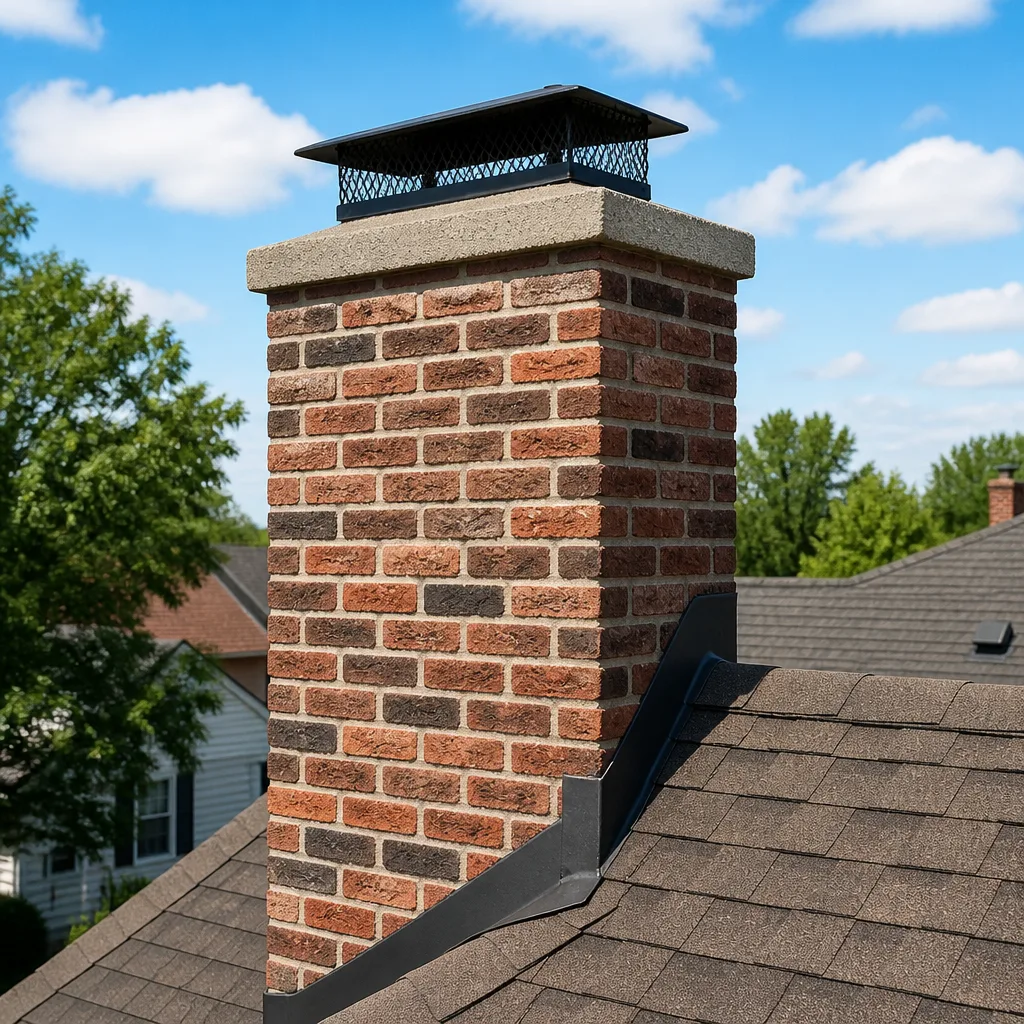
Lakewood sits on Blackland Prairie clay, and that matters for chimneys more than most homeowners realize. The expansive clay soil under most Lakewood homes swells and shrinks with seasonal moisture, and that movement translates directly into the masonry above. Over years, that shows up as small settlement cracks in chimney shoulders, separation at the crown edges, and hairline grout failures that are invisible from the ground but obvious from the roof.
The local housing mix also matters. Lakewood’s neighborhoods contain a large share of pre-war and mid-century homes where the original chimney is a straightforward masonry build, often with a single clay tile liner. Then there are newer homes and remodels where a gas insert or wood stove has been dropped into the same chimney. A gas insert requires its own liner and its own venting considerations. A wood stove inserts a whole different creosote profile into an older flue. Homeowners frequently don’t know which system is actually in their chimney, and that gets back to the inspection point.
Mild, humid North Texas air is a separate factor, though subtler than the clay. Long humid summers let moisture sit against masonry and accelerate crown erosion once a crack opens. The pattern for Lakewood is that the failures aren’t dramatic chimney fires, they’re slow water intrusion and liner deterioration that only show up on camera. That’s what our Lakewood Chimney Sweep Pros inspections are built to catch before they turn into repairs.
What we consistently see in Lakewood is that the deposit inside the flue is rarely the whole story. The call usually comes in about creosote, and the finding is usually about cap and crown. If you haven’t had the crown checked in a few seasons, it’s worth doing even if the flue looks clean.
The Safety Line: What You Should Never Do Yourself
Some parts of chimney work are genuinely dangerous for a homeowner to attempt alone. Roof access on a pitched, aged shingle roof is the top of that list, regardless of how careful you are. Falls off a roof are unforgiving. Nothing on a chimney is worth that risk. The other line is anything involving the interior structure of the flue once you’ve found a defect. A cracked liner, a failed joint, or a broken damper should never be a homeowner project.
The three areas we flag as hard professional-only:
- Roof-level work of any kind. Crown inspection, cap replacement, or flue top access. This is height work with a fall risk and no DIY-safe version.
- Liner repair or resurfacing. Installing a stainless liner or applying HeatShield flue resurfacing requires training and tooling that doesn’t have a homeowner equivalent. If a camera shows liner damage, this is professional work.
- Gas appliance service on the chimney side. Gas fireplaces and gas inserts involve burner service, venting verification, and gas-line safety. This is not a project for homeowner tools.
Wood-burning firebox repair also crosses the safety line once it involves refractory panels or damper repairs, which is why we handle fireplace repair as its own dedicated service rather than a general maintenance item.
Common Mistakes to Avoid
- Assuming a brush kit cleans the whole chimney. A brush covers the accessible flue run only. The smoke chamber, crown, and cap are all still unseen, and those are the components that fail most often in Lakewood homes.
- Trusting a visual “looks clean” assessment from the firebox. Looking up into a flue from below tells you almost nothing. The camera-based inspection is the only view that genuinely answers what’s in the flue.
- Using the wrong brush size. An oversized brush scratches and damages liners; an undersized one misses the walls entirely. Neither replaces a properly sized professional sweep.
- Skipping professional inspection because DIY cleaning feels handled. The false-confidence trap. Cleaning proves nothing about the liner’s condition, and that’s the actual safety question.
- Ignoring a hairline crown crack because it looks minor on a ladder. Crown cracks are entry points for moisture that damages masonry over years, and the repair cost grows with delay.
- Cleaning before knowing your liner type. Clay tile, stainless, and cast-in-place liners respond differently to brushing. A homeowner who doesn’t know what’s in there shouldn’t be cleaning it.
- Doing DIY cleaning with no documentation and then filing a claim after a fire. The claim process asks for records. There won’t be any.
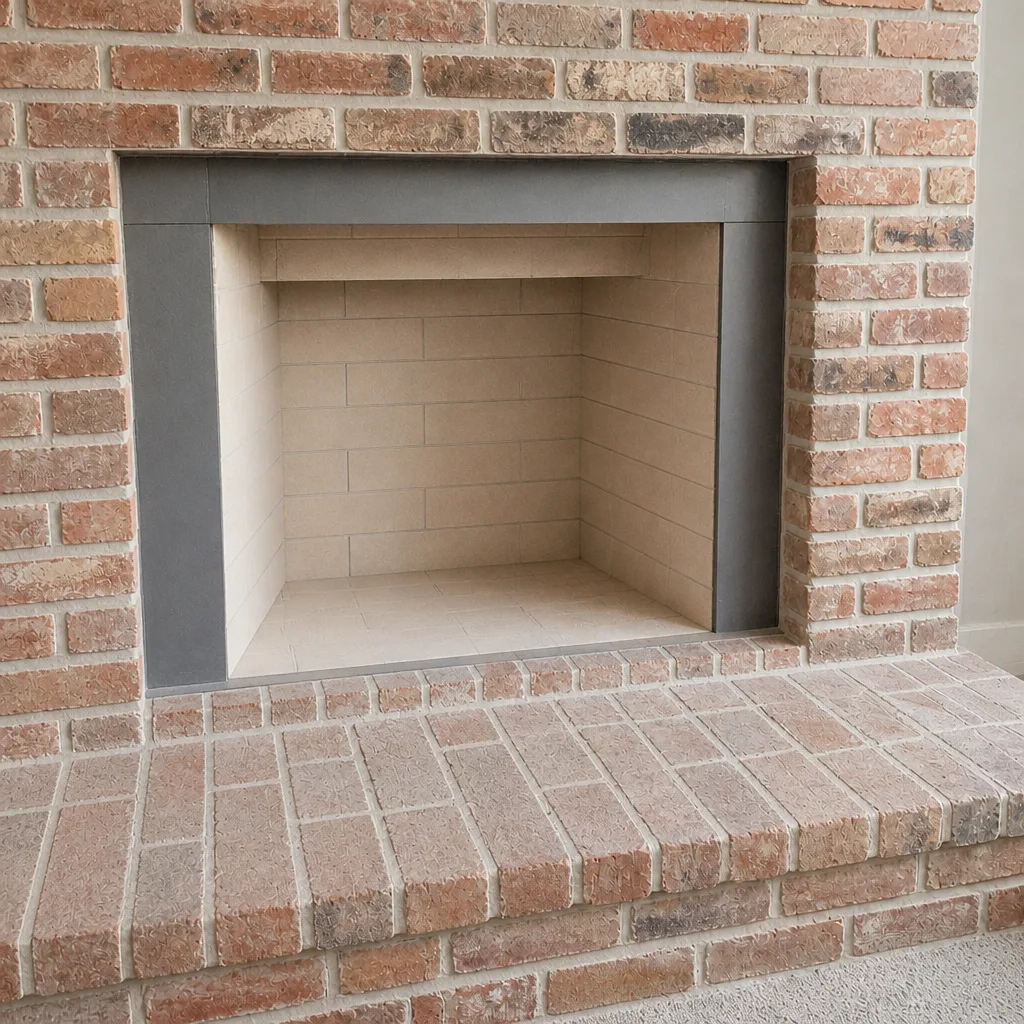
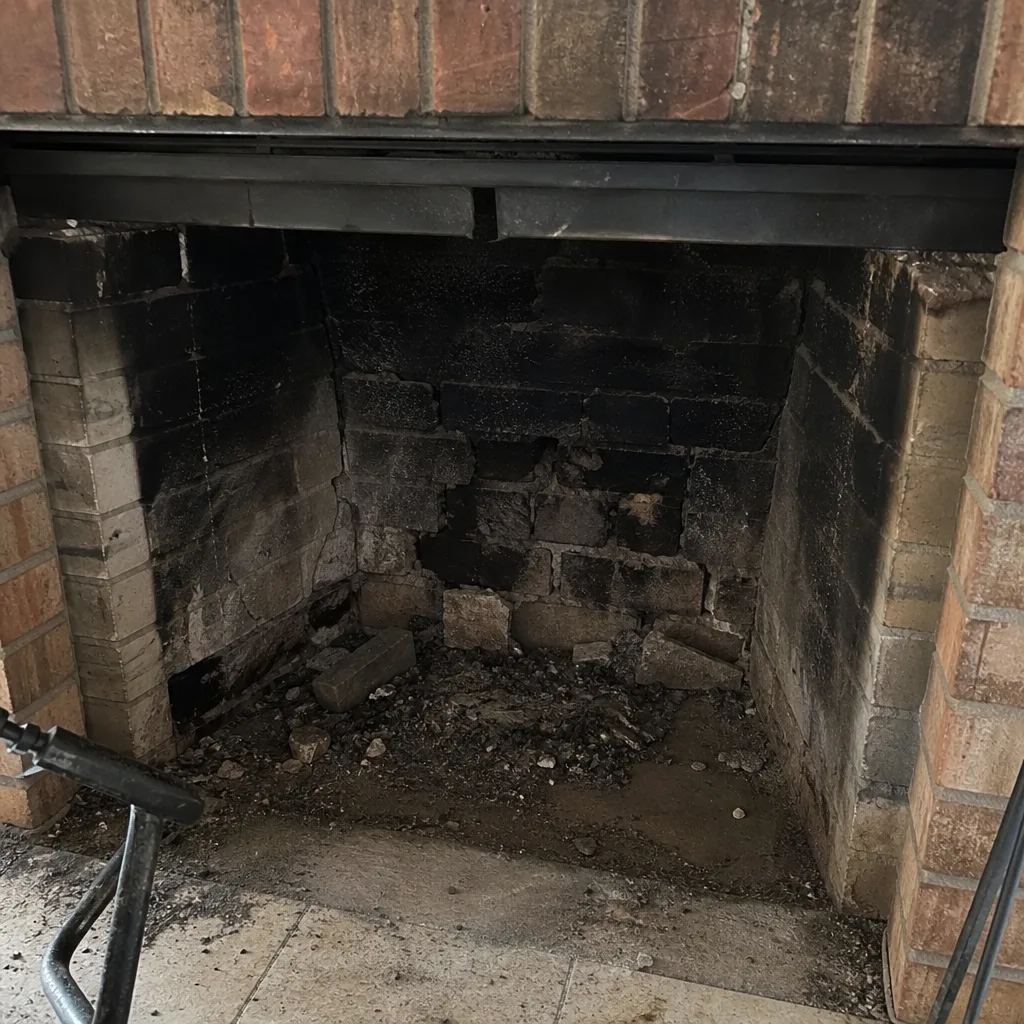
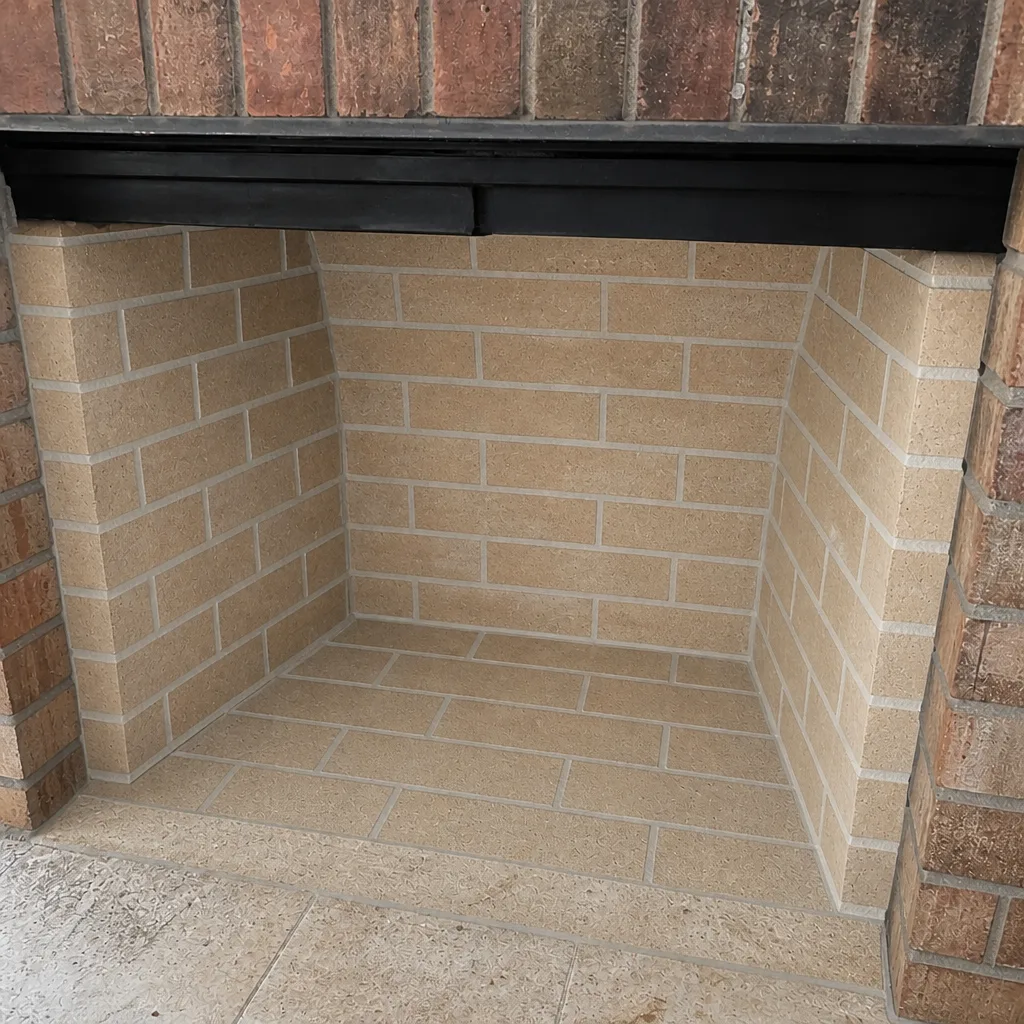
See the difference
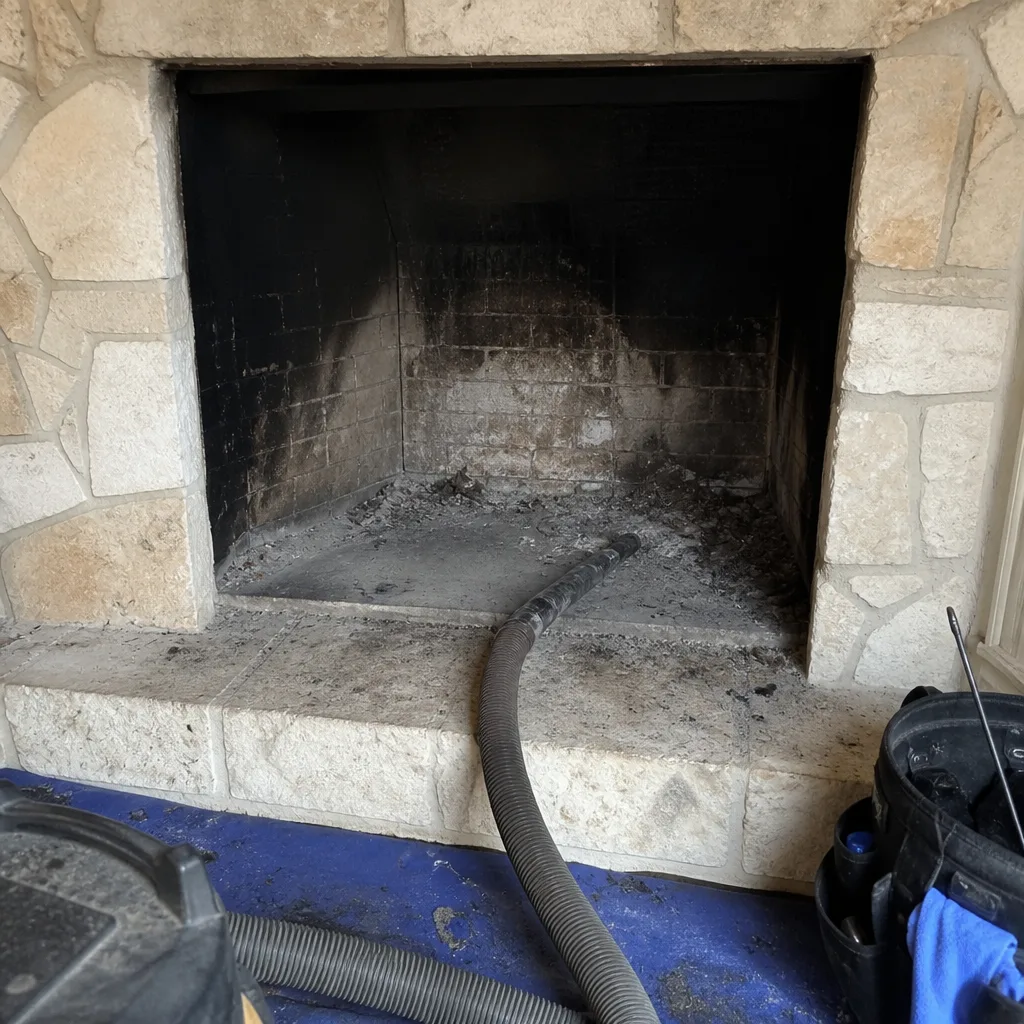 Before
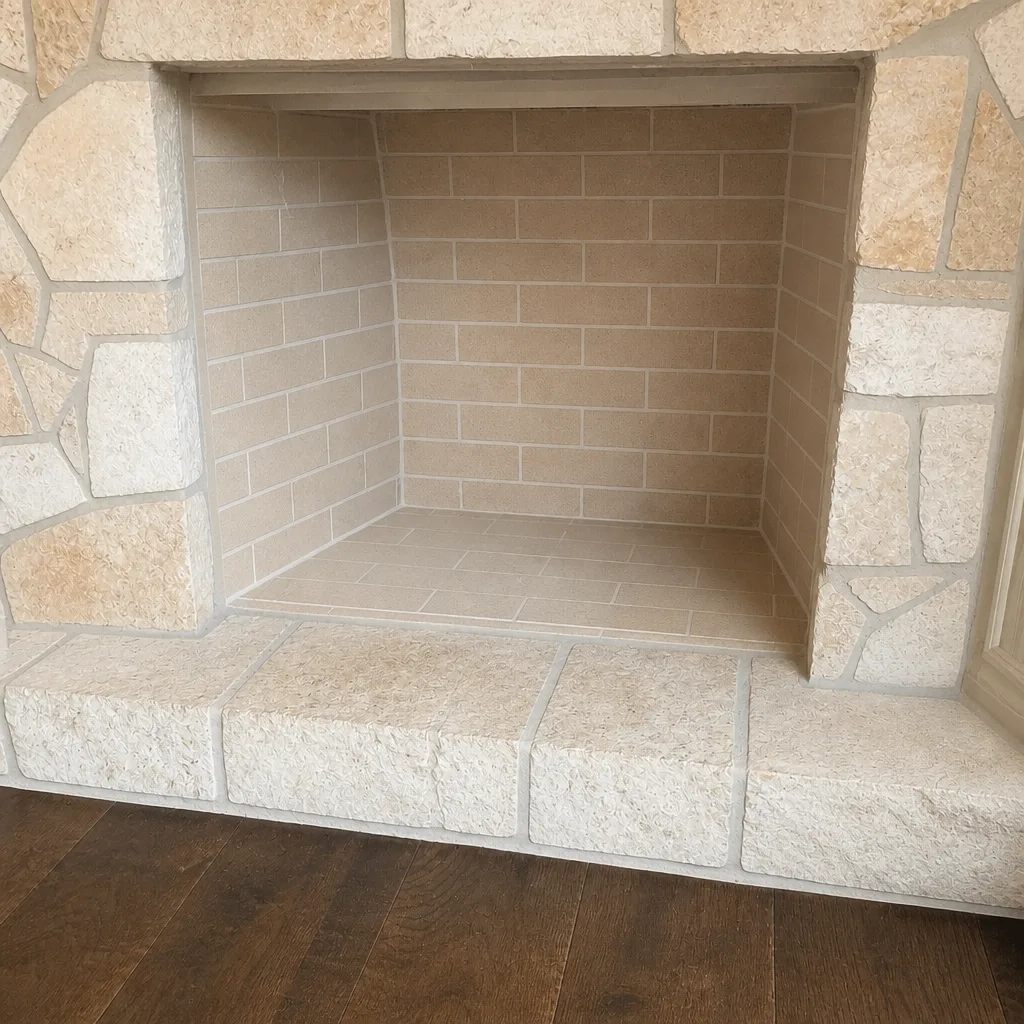 After
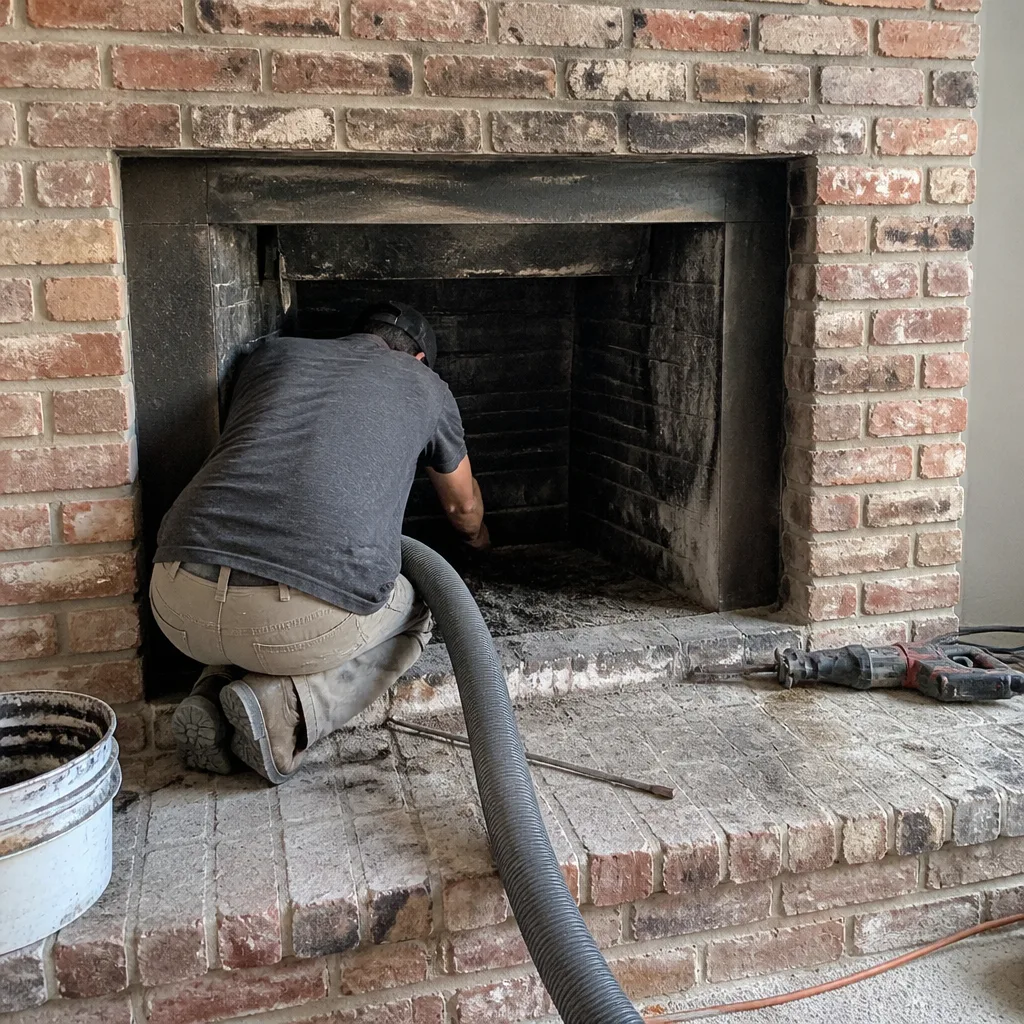 Before
 After
 Before
 After
When to Call a Professional
Call a professional anytime the situation crosses any of the four conditions above, or when any of these specific things are true. You don’t know when the chimney was last inspected. You see glossy or tar-like deposit on the flue walls. Your liner has any visible crack, joint separation, or missing mortar. The crown has a crack, erosion, or missing cap. You burn wood as a primary or heavy heat source through the season. The fireplace is a gas insert or wood stove installed inside a masonry chimney. Or you simply haven’t had eyes on the system with a camera. Those are the calls that decide between a routine sweep and a repair project.
Lakewood Chimney Sweep Pros offers free estimates in Lakewood. Call (888) 839-3160. We answer 24/7. Fast dispatch from 7am to 7pm, Sunday through Friday. When we inspect, we bring the camera and we show you the findings on the spot, and our sweeping is billed at a flat price agreed before the booking. Nothing is recommended without evidence you can see for yourself.
Frequently Asked Questions
A typical chimney sweep in Lakewood falls in the range of a routine maintenance visit, and the price is set per job by a written estimate after we see the system. The estimate is free, the sweep is quoted at a flat price agreed before booking, and there’s no surprise add-on once we’re on the roof. Call (888) 839-3160 for an exact quote.
Only if the camera inspection shows damage that brushing and repair can’t fix. A cracked clay tile, a separated joint, or a failed section of liner is the usual reason a replacement is warranted, and in those cases the liner is the safety barrier between the fire and the home’s air. A smaller number of cases qualify for restoration with HeatShield flue resurfacing instead of full replacement. Nothing is recommended without camera evidence you can see, and sometimes the honest answer is that no liner work is needed yet. Call (888) 839-3160 to schedule an inspection.
Once a year for most wood-burning homes is the standard baseline, and more often if the fireplace is the primary heat source or the wood is unseasoned. For gas inserts the schedule can be different, which is why the inspection date matters more than a fixed number. If you’ve never had a professional inspection on the chimney, that’s the step to take first. Call (888) 839-3160 for a free estimate.
Creosote builds up in stages, and once it reaches stage 2 or stage 3 it’s the deposit that fuels chimney fires. The risk isn’t a gradual decline; it’s that a small, hot fire in the flue can spread to the surrounding structure if there’s enough deposit. The second risk is liner deterioration leading to carbon monoxide entering the home. Neither is a hazard to ignore, and neither is a reason to panic. Call (888) 839-3160 for an inspection so you know exactly where your chimney stands.
No. A brush kit removes light stage 1 creosote from the accessible flue run, and that’s all it does. It cannot inspect the liner, evaluate the smoke chamber, grade the creosote stage, assess the crown, or remove glazed deposits. DIY between professional visits is defensible; DIY as a replacement for professional inspection is not. Call (888) 839-3160 for a free estimate and we’ll tell you honestly which side you’re on.
Stop burning until someone with a camera has looked at the flue. Glazed stage 2 or stage 3 deposits look nearly identical to a normal dark flue from the firebox, so visual assessment from below is not reliable. Once we inspect and stage the creosote, we’ll tell you whether it’s a routine sweep or a chemical treatment for stage 2 removal. Call (888) 839-3160. We answer 24/7. Fast dispatch from 7am to 7pm, Sunday through Friday.
The Bottom Line
DIY chimney cleaning isn’t reckless by itself, and a homeowner who runs a brush through a clean, straight flue between professional visits isn’t doing anything wrong. The problem is scope. DIY covers one component of a system that has several, and the components it misses are the ones that actually fail in Lakewood: the crown that cracks from clay soil movement, the liner that develops hairline cracks, the smoke chamber that collects the deposits that start fires, and the creosote staging that only shows up on camera. DIY removes light creosote. A professional sweep and inspection removes the unknown, and the unknown is what removes sleep. Our technicians have up to 12 years of experience, and we work only with professional-grade chimney brands – DuraFlex, HeatShield, Gelco, Olympia Chimney, Famco, and Copperfield – because the components you can’t see have to be right. Nothing we recommend is without camera evidence you can see for yourself, and sometimes the honest answer is that the system can safely wait. Call (888) 839-3160 for a free estimate. We answer 24/7. Fast dispatch from 7am to 7pm, Sunday through Friday.
Written by the team at Lakewood Chimney Sweep Pros.