
Last updated November 25, 2026
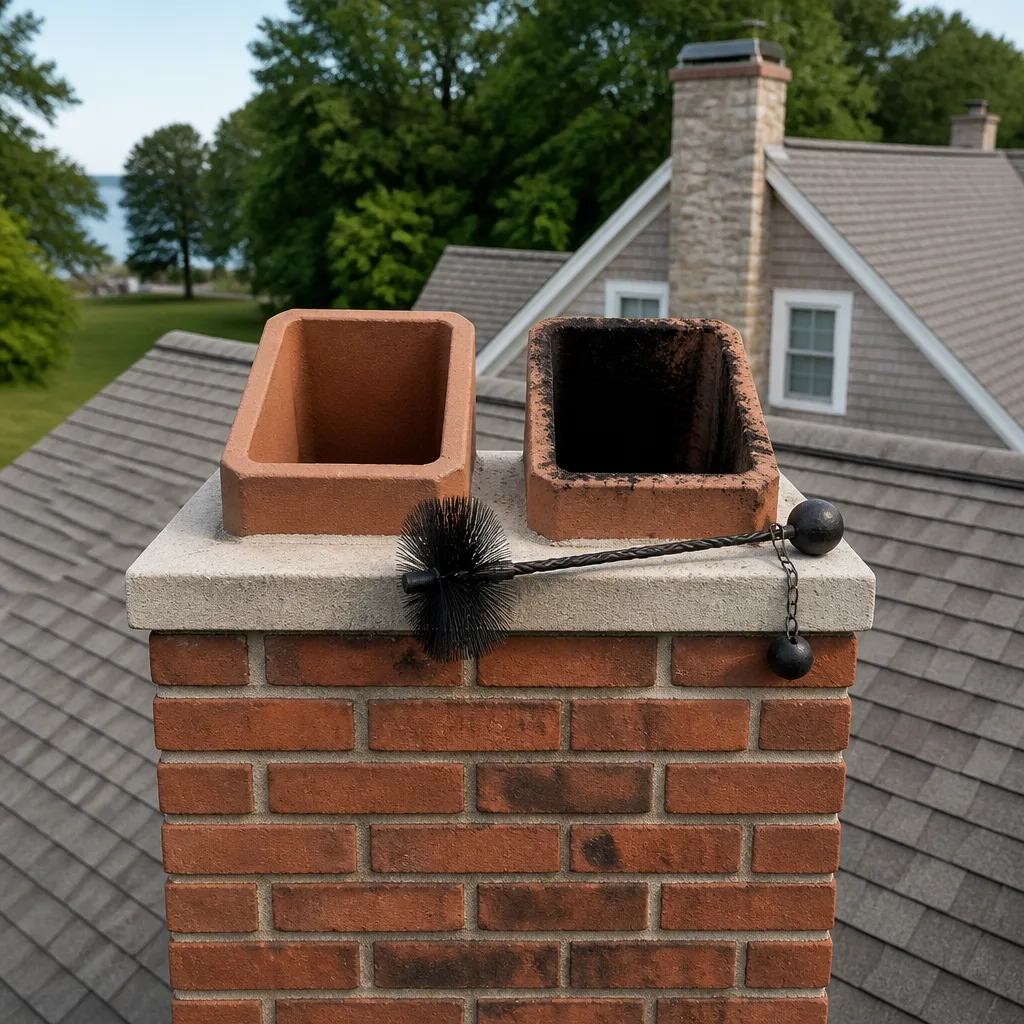 Sweep & inspection
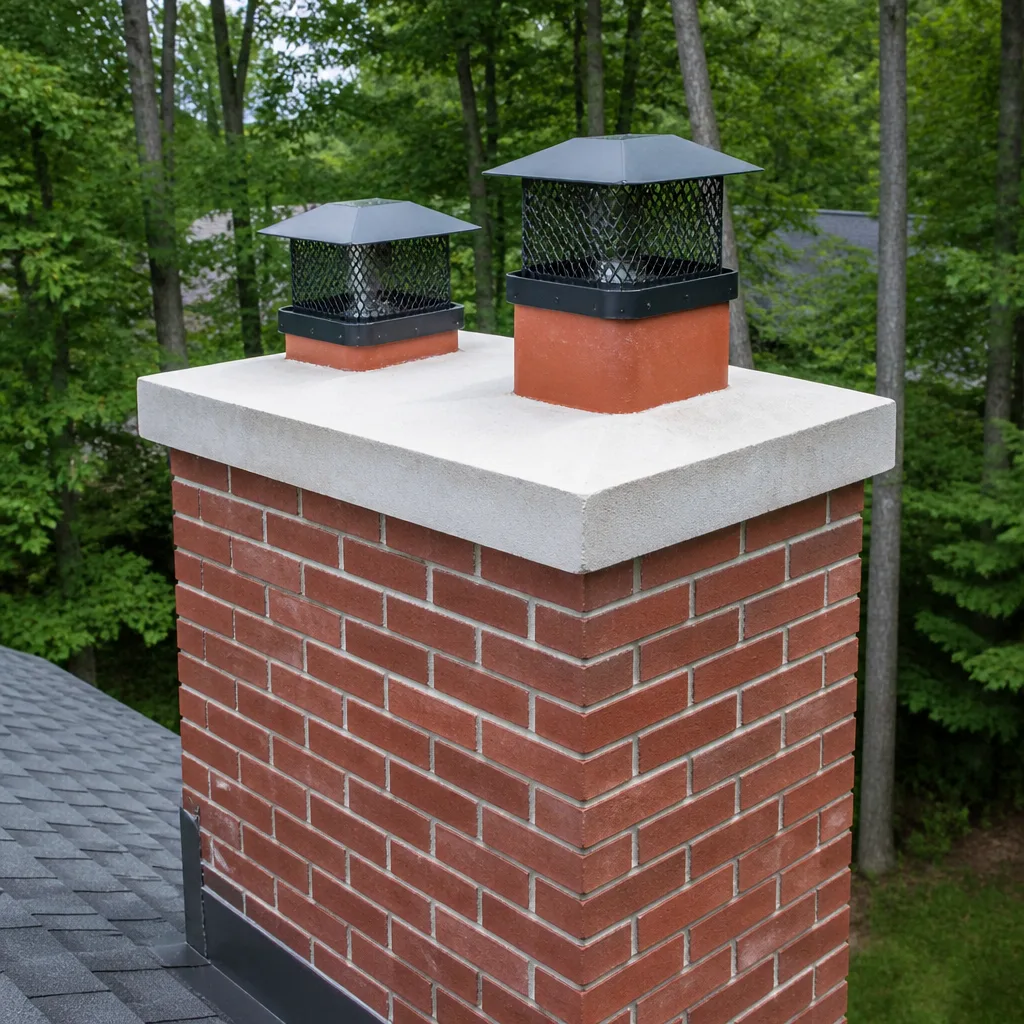 Caps & crowns
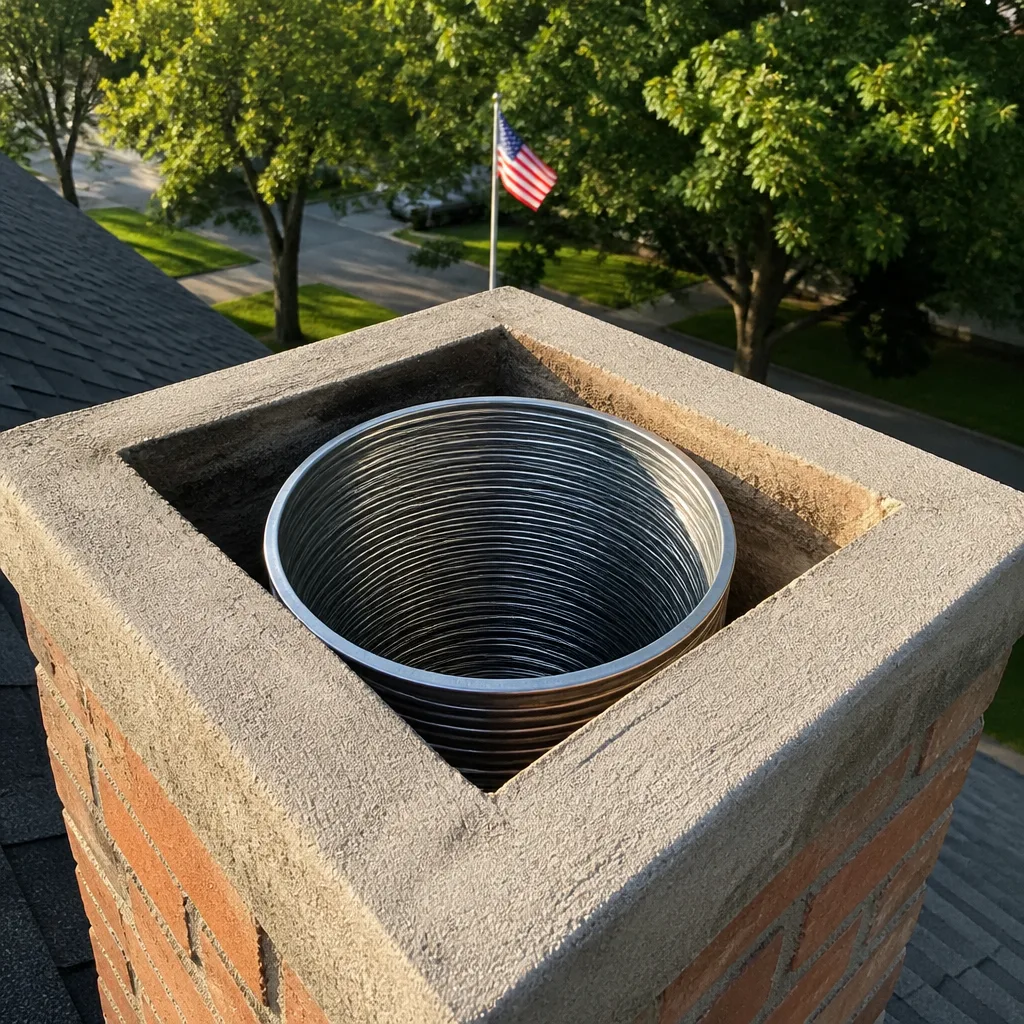 Flue relining
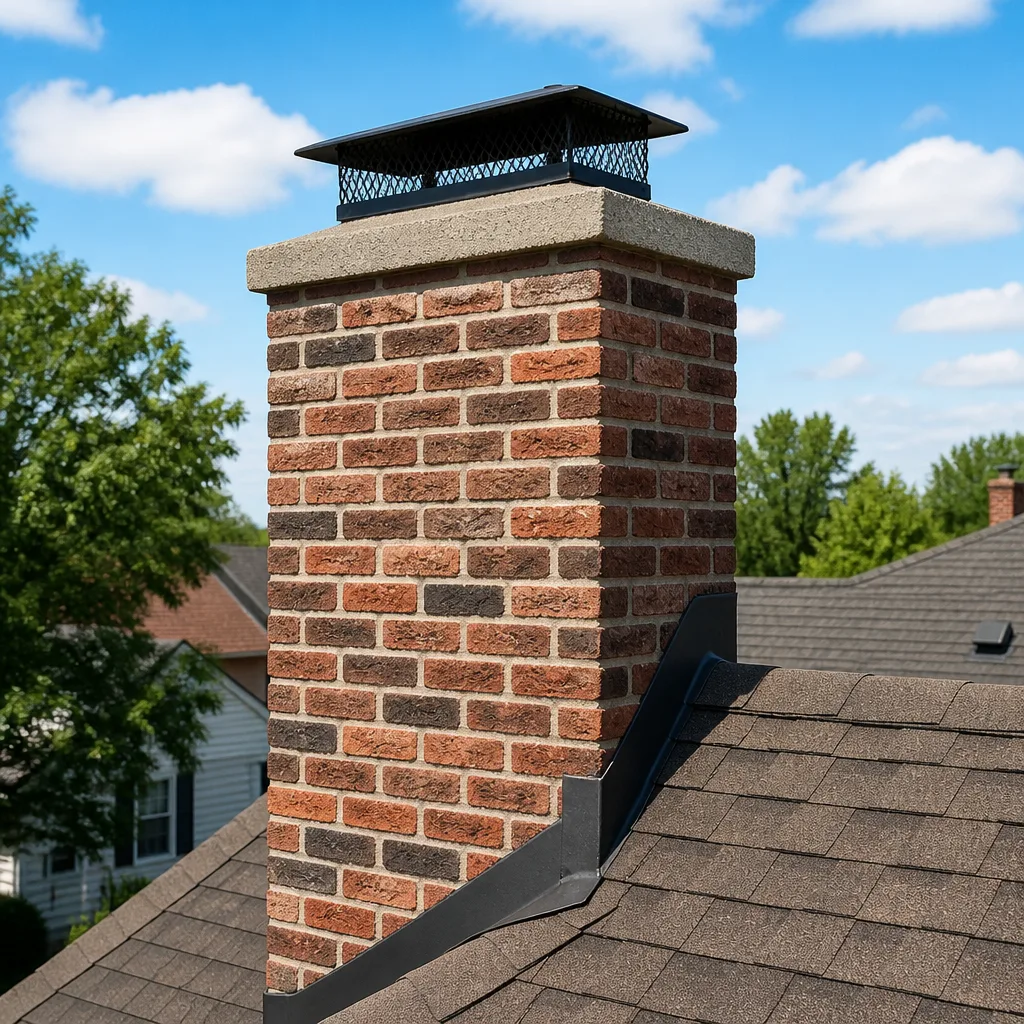 Masonry repair
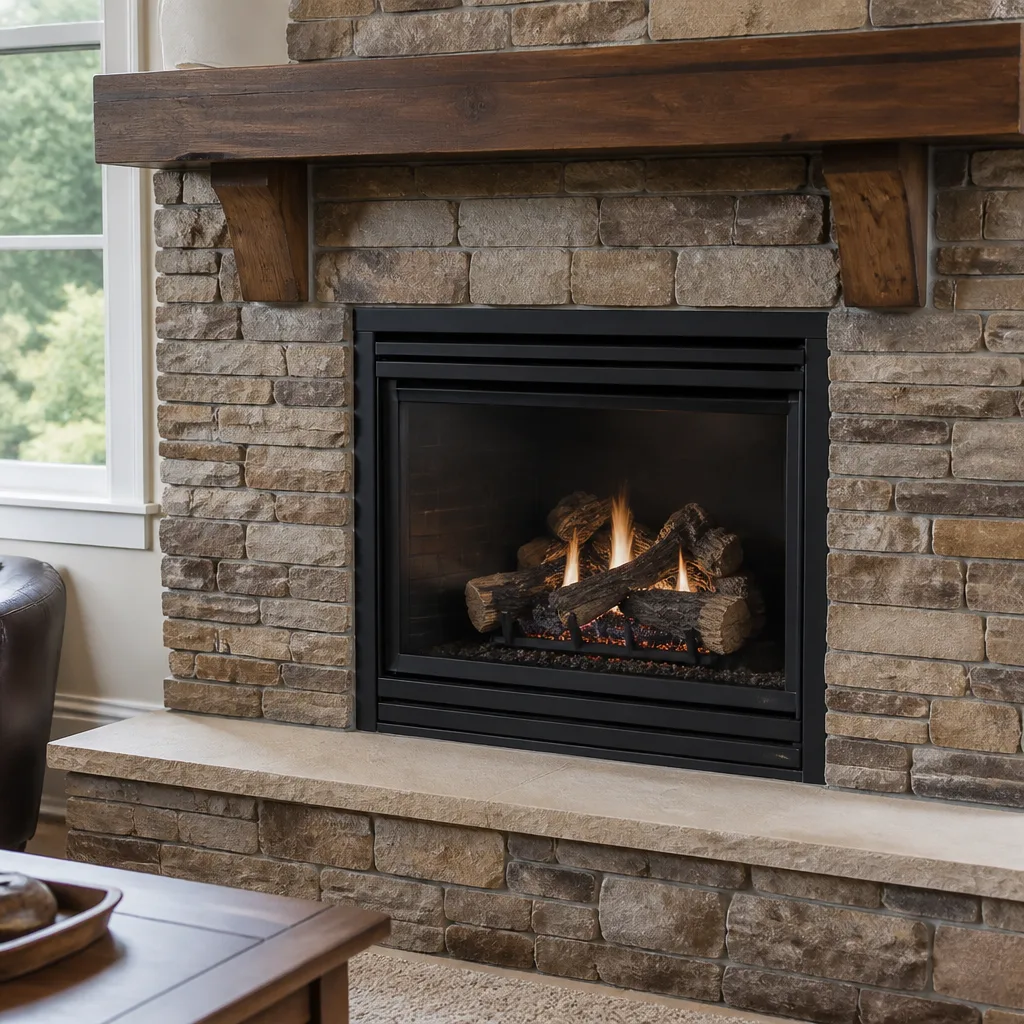 Gas fireplace service
Level 1 sweep and inspection to the NFPA 211 annual standard - flue, crown, cap, and flashing checked and photographed
Chimney sweep logs do not sweep chimneys. They loosen some creosote - which then falls where a brush and vacuum still have to collect it.
Choosing the Right Chimney Cleaning Brand: A Buyer’s Guide for Lakewood
If your chimney contractor can’t tell you the brand name of the liner system or crown coating they’re installing, that’s not a minor detail. It’s a signal that they’re using whatever was cheapest at the supply house that week. Most homeowners spend more time choosing a kitchen faucet than choosing the materials that go inside the flue of their fireplace. That gap is exactly where cheap installations hide. This guide names the professional-grade brands used in serious chimney work, explains what each one actually does, and shows you how to ask about them during a quote. You’ll finish knowing which product categories deserve scrutiny and which don’t, and you’ll be able to hold your own in a conversation about your Lakewood chimney.
Quick Answer
The right chimney cleaning brand depends on the product category, not a single winner. For liner resurfacing and smoke chamber repair, HeatShield is the recognized professional standard. For top-mount damper systems, brands like Lyemance and Lock-Top are specified because they seal the flue completely. For chimney crowns and masonry repair, Gelco and Olympia Chimney products carry documented performance specs that commodity materials don’t match. A trustworthy contractor names these brands openly, explains why each was chosen for your chimney, and can tell you who is certified to install them. If they shrug and say “we use good stuff,” that’s your cue to ask harder questions.
Styles & brands we work with
- Sweep & inspection
- Caps & crowns
- Flue relining
- Masonry repair
- Gas fireplace service
Table of Contents
- Why Chimney Materials Brands Matter More Than Most Homeowners Realize
- What “Professional-Grade” Actually Means in Product Terms
- The Brands Worth Knowing: HeatShield, Gelco, Olympia Chimney, and Others
- Where Brand Matters Most (And Where It Doesn’t)
- The Warranty Chain: Why Installer Credentials and Product Brand Are Inseparable
- How North Texas Heat Cycling Changes the Material Equation
- How to Ask About Brands on a Quote
- Reading the Answers: What Each Response Tells You
Why Chimney Materials Brands Matter More Than Most Homeowners Realize
A chimney is a hardworking structure. It contains combustion gases that reach several hundred degrees, masonry that expands and contracts with every fire, and a flue surface that has to stay sealed through it all. The materials inside it are doing one of the most demanding jobs in your home, and they’re doing it out of sight. That’s why the brand names on those materials carry more weight than the brand name on your shampoo.
Cheap liner systems and patched smoke chambers fail in a predictable order. The joint sealant breaks down first, then the flue surface starts to degrade, then combustion gases find paths they shouldn’t. By the time a homeowner notices a problem, they’re often looking at a full liner replacement instead of a resurfacing job that would have cost far less. We’ve seen this pattern in Lakewood homes where the original installation used whatever material was on hand, and the difference between that installation and a HeatShield or Olympia Chimney system is measurable, not cosmetic.
Here’s the point that gets skipped in most buying guides: brand matters because brand implies specification. A named professional-grade product comes with a documented temperature rating, a defined warranty, and an installer certification path. A generic alternative comes with none of those, and when something goes wrong, there’s nobody to call. When you’re evaluating a chimney sweep in Lakewood, ask what goes inside the flue, not just how clean it will look afterward.
That’s not a knock on cleaning. A sweep is genuinely important, and we do them all week. But cleaning is a maintenance action. The materials that line and seal your chimney are a safety system, and safety systems deserve brand-level scrutiny.
What “Professional-Grade” Actually Means in Product Terms
“Professional-grade” gets thrown around loosely, so let’s define it. In chimney products, the term means a product carries a published specification sheet, a manufacturer warranty, and an installation requirement that names who is qualified to apply it. Those three things separate a real product from an anonymous one.
The four specs that matter
- Temperature rating. Professional liner and resurfacing products publish a working temperature range. That rating tells you the material is designed for the flue environment it’s going into, not borrowed from another application and sold as a chimney product.
- Published warranty terms. A real warranty document names what’s covered, for how long, and under what installation conditions. If your contractor can’t produce a warranty document, the product likely doesn’t have one worth relying on.
- Installer certification requirements. Many professional-grade systems require the applicator to be trained and recognized by the manufacturer. That requirement exists because the product’s performance depends on correct installation, and manufacturers protect their reputation by controlling who installs their materials.
- Tested adhesion and durability. Resurfacing products like HeatShield publish adhesion and durability characteristics because those determine how the product performs in a hot, acidic flue environment over time. A product with no test data is an experiment running inside your chimney.
When a Lakewood chimney contractor uses recognized brands, those four specifications come along with the material. When they use an off-brand substitute, the burden of proof shifts to you, and there’s usually no way to verify any of it. On top of that, product performance depends on installer skill and local temperature swings. A spec sheet on paper never beats a careful installation, so read the rating and the application method together, never the rating alone.
Why it translates to real-world performance
A liner system is a barrier, and barriers are only as good as their weakest seal. Professional-grade products are engineered around that reality, which is why they’re specified in commercial and residential installations where failure means real risk. In a Lakewood home, the practical outcome is a flue that stays sealed through seasonal use patterns and doesn’t need rework a few years after installation.
The Brands Worth Knowing: HeatShield, Gelco, Olympia Chimney, and Others
We work with professional chimney industry brands rather than commodity materials, and we’re specific about them because specificity is the whole point. Each brand below plays a distinct role in a chimney system. Knowing which role each one fills lets you ask precise questions.
HeatShield: liner resurfacing and smoke chamber repair
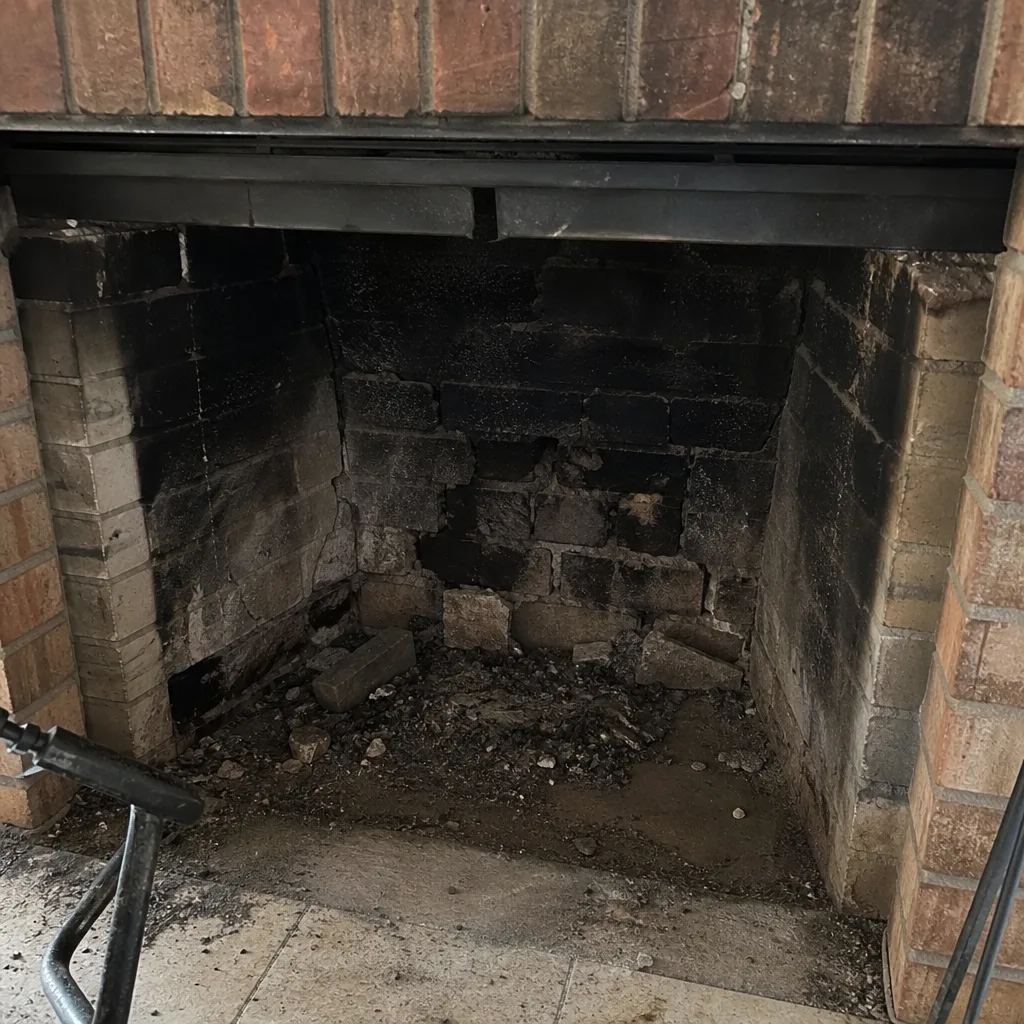
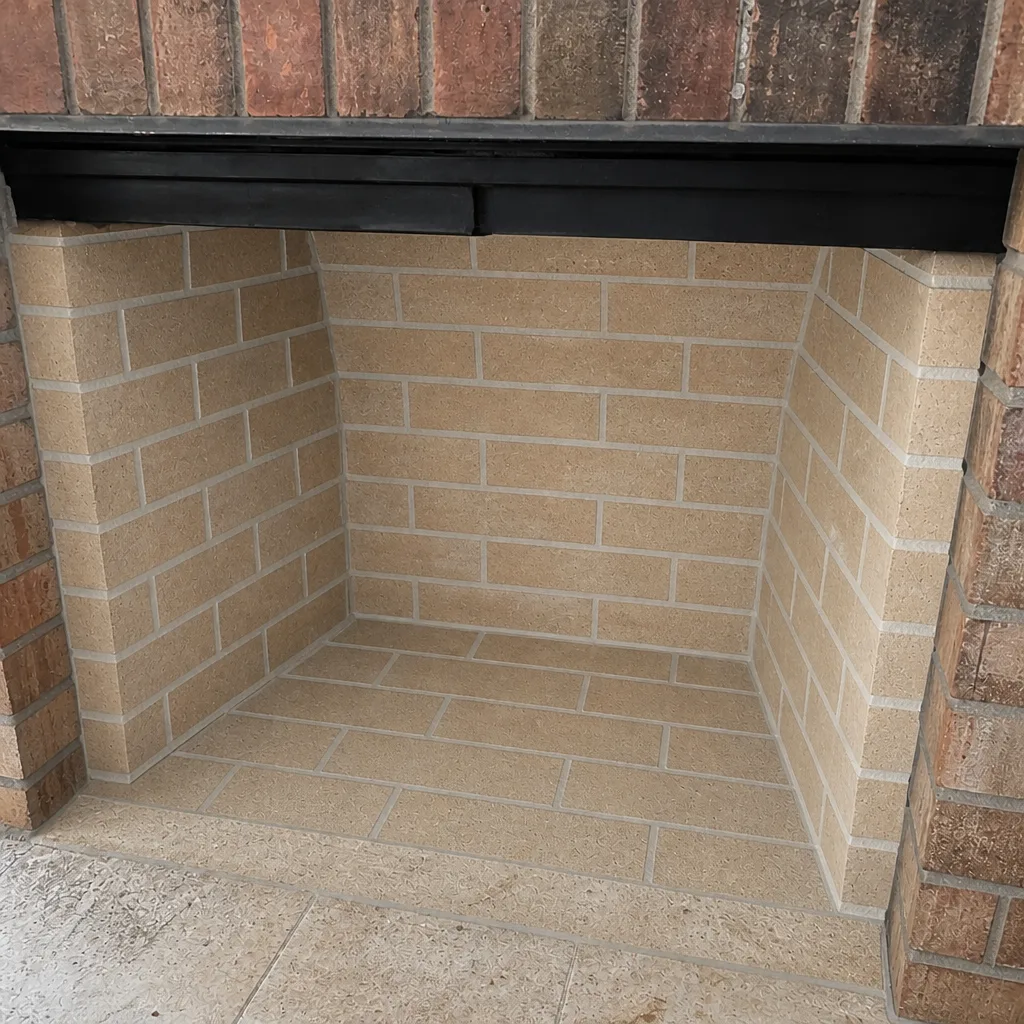
HeatShield is a ceramic-based resurfacing system for flue interiors and smoke chambers. It’s specified when the clay tile liner is still structurally sound but the surface has deteriorated, or when the smoke chamber has jagged mortar joints that need smoothing before a liner goes in. This is the category many sweep-only providers simply cannot offer, and its absence from a quote is meaningful. HeatShield application takes trained applicators and a documented process; a contractor who names HeatShield is telling you they can restore a flue instead of only replacing it.
Whether HeatShield is the right answer in a Lakewood home depends on the flue’s actual condition. A camera inspection makes that call, not a sales pitch. That’s part of why a professional intake of your chimney should include visible evidence.
Lyemance and Lock-Top: top-mount damper systems
Top-mount dampers seal at the top of the chimney when the fireplace is not in use. Lyemance is a recognized top-seal damper brand, and Lock-Top is the other name many homeowners hear. Unlike a throat damper, a top-mount system closes the chimney above the firebox, which keeps air exchange through the flue under control when the fireplace is idle. In a mild-winter climate, the benefit isn’t about keeping a house warm; it’s about sealing the opening so the chimney behaves predictably and outdoor air isn’t free to move through it.
Brand matters here because the seal has to hold. A cheap top-mount damper with a gasket that degrades or a linkage that seizes is a false sense of security. When a contractor specifies Lyemance or Lock-Top, they’re choosing a system with replacement parts available and a manufacturer behind it.
Gelco and Olympia Chimney: crowns, masonry, and structural repair
Chimney crowns take abuse from sun and rain, and a cracked crown lets water into the structure. Gelco crown sealant products and Olympia Chimney components are specified in crown work and masonry repair because they’re formulated for chimney repair, not adapted from an unrelated application. Brand adds the warranty context and, again, the installer requirement.
Our own chimney cap & crown service exists because crowns are structural, not decorative. When a crown is rebuilt correctly with a professional-grade product and a proper overhang, it sheds water and holds up. When it’s patched with generic material, the next rain finds the seam.
Famco and Copperfield: caps, flashing, and related components
Famco and Copperfield supply caps, flashing, and other chimney components. Multi-flue caps, single-flue caps, and flashing kits are routine, but the fit and material still determine how well they age. A $40 online cap and a brand-name cap with a real warranty are both “caps,” and they don’t perform the same way.
Where Brand Matters Most (And Where It Doesn’t)
Not every part of a chimney job is brand-sensitive, and it helps to know the hierarchy. Spending money on a brand name where it doesn’t matter wastes budget; ignoring brand where it matters creates risk. Here’s how to prioritize.
Brand-sensitive categories (scrutinize these)
- Liner systems and HeatShield resurfacing. Temperature rating, adhesion, and installer certification all apply. These are inside the flue and hidden from view thereafter.
- Crown coatings and masonry repair products. Formulated products matter, and warranty context follows the brand.
- Top-mount dampers. The seal, gasket, and linkage have to hold up over years of open/close cycles.
- Caps and flashing components. Material durability and fit matter; brand ensures replacement availability.
Category where brand matters less
- Brush cleaning. The texture of a scrub brush doesn’t change your chimney’s performance. Skill and thoroughness matter far more than the brush’s label.
- Standard hand tools and consumables. Screwdrivers and shop vacuums are not the product.
In practical terms, if your quiet contractor is careful and thorough with the sweep, that’s fine. If they’re vague about their liner and crown materials, that’s the point where the conversation should get more specific. Cleaning is craft; sealing and lining are material science.
The Warranty Chain: Why Installer Credentials and Product Brand Are Inseparable
Many professional-grade chimney systems carry manufacturer warranties that only apply when the product is installed by a certified or recognized applicator. This is the single most overlooked part of the brand conversation, and it’s why asking “which brand?” and “are you qualified to install it?” are the same question in different words.
Here’s how the chain works:
- A manufacturer designs a product and publishes its specs and warranty.
- The warranty document states the installation conditions, including who may apply the product.
- An installed system is only covered when those conditions were met.
- If a non-qualified installer used the product, the manufacturer has no obligation and the homeowner holds the bag.
That chain is why the brand and the installer are inseparable. A contractor who names HeatShield but can’t describe their certification is a warning sign. A contractor who installs professional products without the manufacturer’s requirements met is worse; the product may be right, but the warranty is empty. When you ask for a quote in Lakewood, the answer should include both the product name and the qualification you’re relying on.
A HeatShield-capable provider can tell you the application process, the cure requirements, and the warranty terms. That’s not a sales feature; it’s the part of the job that protects you years later. It’s also part of why we handle fireplace repair and liner work together; the flue, the firebox, and the damper interact, and splitting responsibility across contractors is how warranty claims get orphaned.
How North Texas Heat Cycling Changes the Material Equation
Material performance depends on climate, and North Texas hands you a specific combination: long, hot summers and mild winters with wide daily temperature swings. Summer attic and flue temperatures climb, then drop overnight; repeat daily for months. The materials inside your chimney experience that cycling alongside the fire itself.
That pattern is why “how it performs in the real environment” is a legitimate question. Professional-grade products publish their performance characteristics, and a manufacturer’s reputation depends on those characteristics holding up. Commodity materials aren’t tested against the same cycles and don’t carry the same warranty expectations.
In a Lakewood home, the practical audit looks like this:
- Does the liner system have a documented temperature rating and a warranty document?
- Was the crown material formulated for chimney use and applied per manufacturer guidance?
- Are the damper and cap components from a named brand with parts available?
You can’t inspect the flue yourself, but you can inspect the paperwork. A professional installation comes with product details and warranty information. Ask for them. The written estimate sets the price, and the product documentation tells you what that price bought.
One more local note: cleaning frequency here isn’t driven by a harsh winter. It’s driven by how much you burn and what you burn. Seasoned wood produces less creosote than green wood, and a chimney that burns a few times a month in a mild Lakewood winter can still build up deposits. Annual inspection keeps the system honest.
How to Ask About Brands on a Quote
This section is the practical core of the guide. You don’t need to become a chimney engineer to evaluate a contractor. You need four or five questions, delivered plainly, and a sense of what a good answer sounds like.
The questions to ask
- “What brand of liner or resurfacing material would you use on my chimney, and why that one?”
- “Are you certified or recognized by the manufacturer to install that product?”
- “What does the manufacturer’s warranty cover, and does it apply to this installation?”
- “If my crown needs work, what product would you use, and is it formulated for chimney crowns?”
- “Can I see the camera inspection before you recommend any repair?”
How to interpret the answers
- A confident specialist names the product without hesitation and explains why it fits the condition observed.
- A side-trade or generalist gets vague and pivots to “we use high-quality materials,” which tells you nothing verifiable.
- An evasive answer about certification or warranty is a signal of commodity sourcing or diluted accountability.
- A good answer ties the product to the condition: “The smoke chamber needs smoothing, so HeatShield is the right call before the liner.”
That last point matters because the wrong product applied confidently is still the wrong product. When we do a chimney sweep in Lakewood, the sweep and the inspection are the same visit. The camera check is what tells us whether resurfacing, a liner, or a simple cleaning is the right recommendation. Then the brand conversation starts from evidence you can see.
Whether you choose us or someone else, ask for the brand names in writing. A contractor who expects to be evaluated won’t mind.
Reading the Answers: What Each Response Tells You
The answers to your brand questions are diagnostic. Here’s a short field guide to interpreting what comes back across the table.
- Names the brand and explains the fit. Strong signal. This is a specialist who knows their product line and chose it for a reason.
- Names the brand but can’t explain certification. Mixed. The product may be right, but the warranty may be empty. Ask for the paperwork.
- Uses a resurfacing product name as a cleaning upsell. Red flag. HeatShield isn’t a cleaner; if it’s being sold on a chimney that hasn’t been inspected, ask why.
- “We’ll use whatever’s best.” Evasive. Push for specificity or get a second quote.
- Offers a warranty verbally but not in writing. Unverifiable. A warranty is a document, not a promise.
- Explains when work can wait. Strong signal. A chimney that doesn’t need a liner today shouldn’t get one. If the answer is “your flue is sound, a sweep is enough this year,” that’s a professional you can trust.
The best answer introduces limits. Every brand recommendation has conditions, and a specialist who tells you when a product is not the right answer is a specialist worth keeping. Our approach is simple: nothing gets recommended without camera evidence you can see, and when a repair can safely wait, we say so.
Our technicians have up to 12 years of experience with these systems, and the range of products they’ll discuss includes HeatShield, Gelco, Olympia Chimney, and Famco because those are the materials the trade actually specifies. Every job in this niche is chimney work. That’s all we do, and that focus is exactly what makes brand fluency possible.
Common Mistakes to Avoid
- Choosing on price alone. The lowest quote in Lakewood almost always reflects commodity materials somewhere in the system. Ask what brand is inside that low bid before you accept it.
- Accepting a repair recommendation without camera evidence. If a contractor tells you the flue is degraded, ask to see the inspection images. You shouldn’t take a liner quote on faith.
- Assuming any registered contractor is ready to install a certified product. Certification and licensing are different things. Ask directly about manufacturer qualifications.
- Letting one trade handle the chimney as a side job. A general handyman or HVAC company may quote the work, but chimney materials are their own discipline; brand knowledge and certification usually follow the specialist.
- Skipping the crown because the flue looks fine. A crown is a structural component, and a cracked crown sends water into the structure. Crown work is its own category, and it deserves a proper product.
- Treating the warranty as automatic. Many professional-grade warranties are void when the installer is not certified. Keep the product documents with your home records.
- Assuming winter weather protects or damages the chimney. In our climate, the more useful question is how much you burn and what you burn; ask about cleaning frequency based on your own use, not the season.
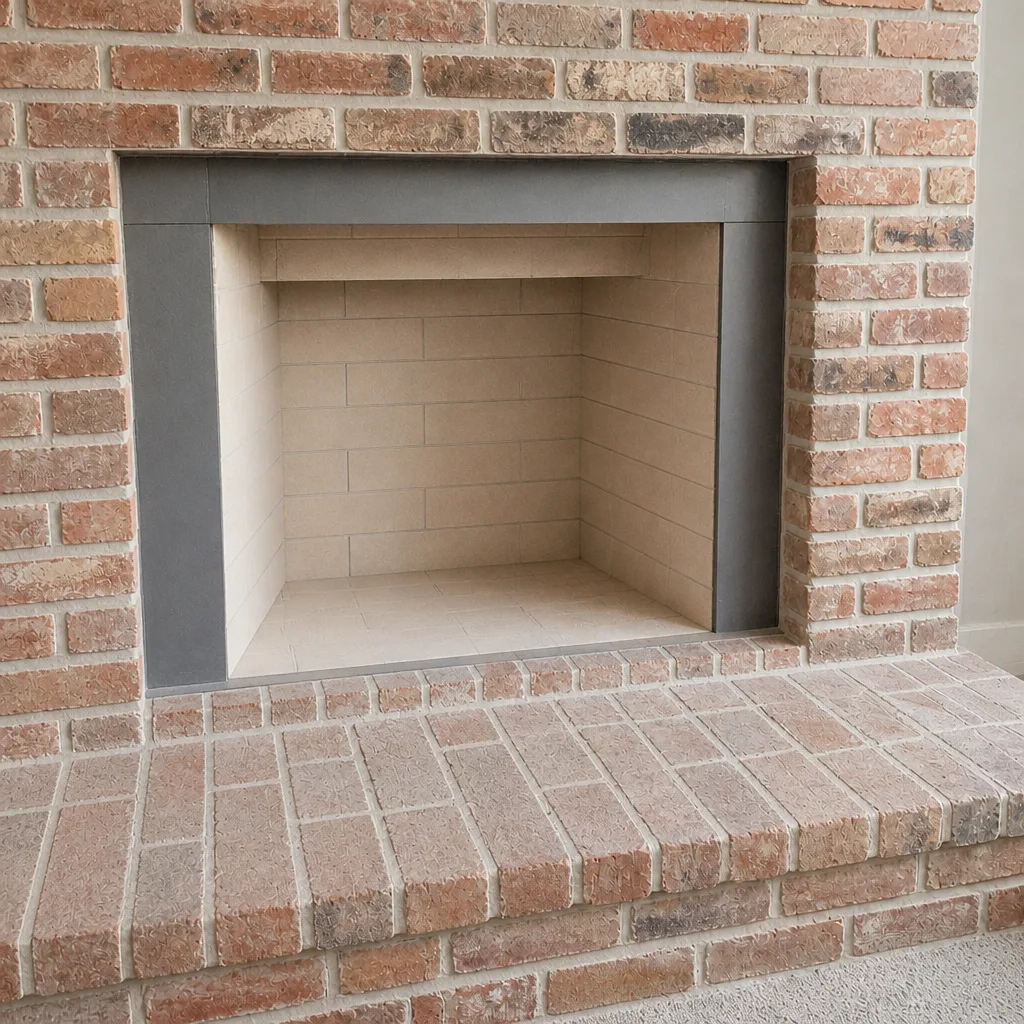
See the difference
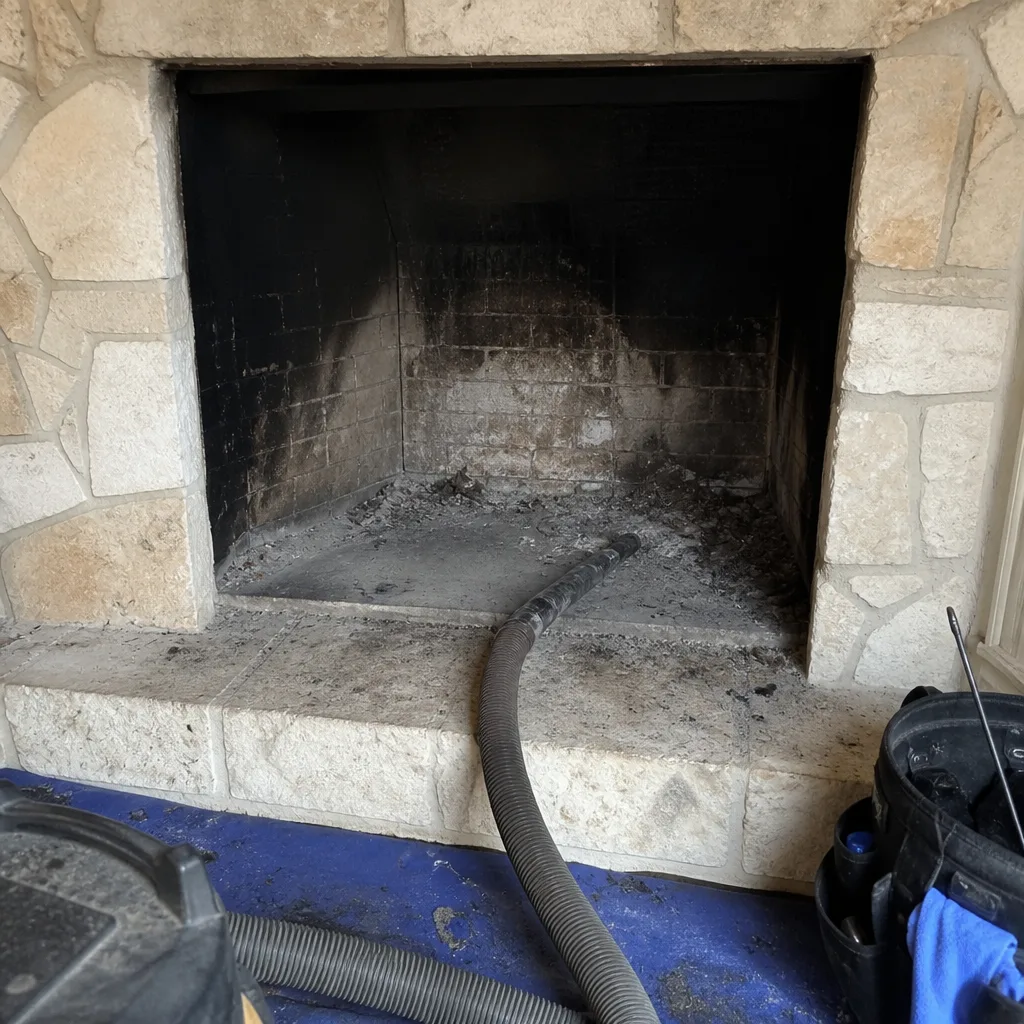 Before
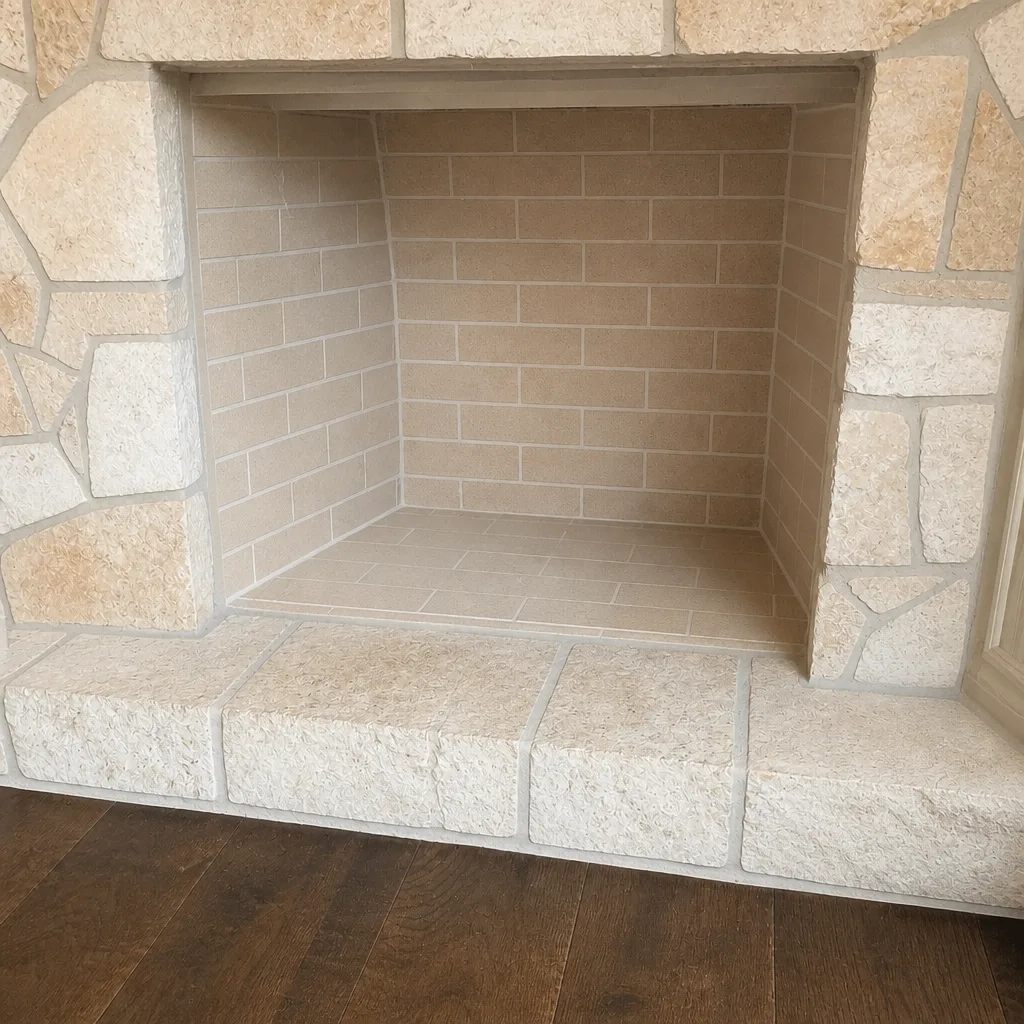 After
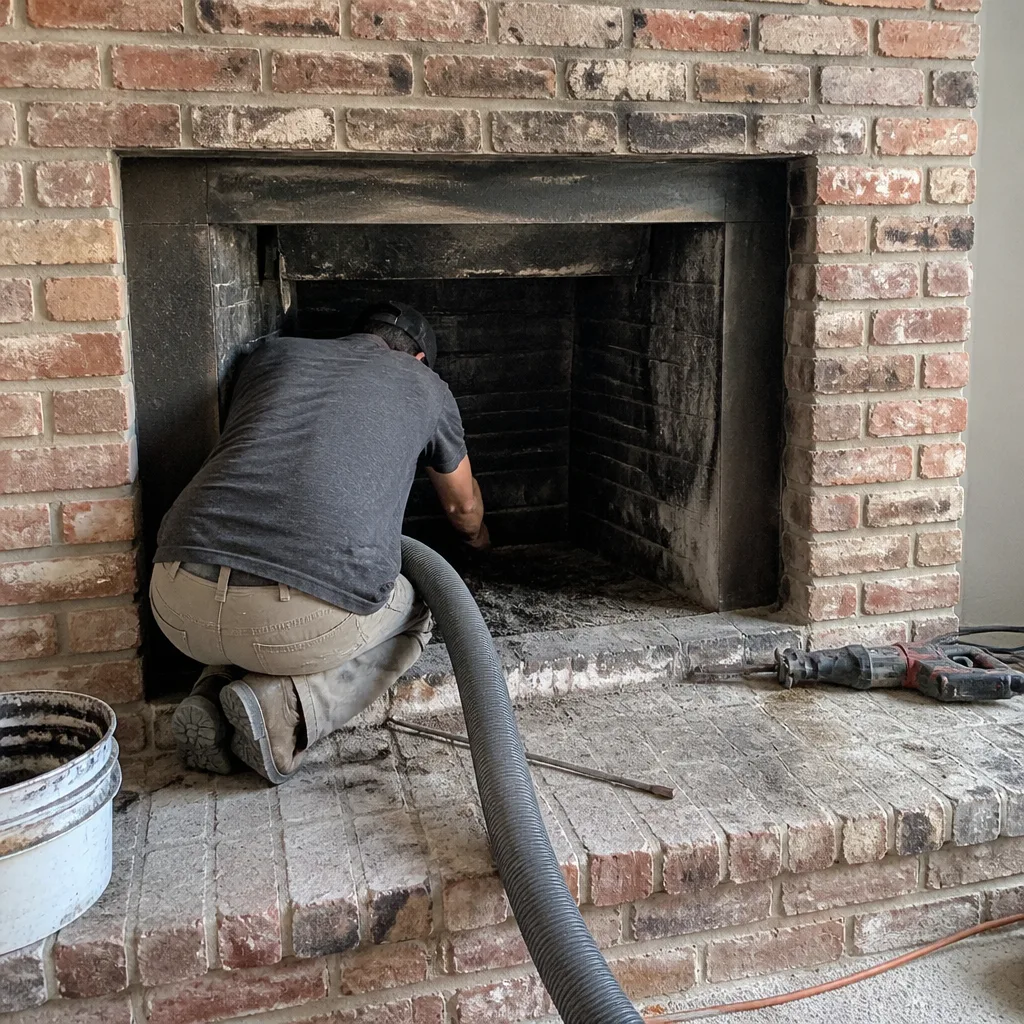 Before
 After
 Before
 After
When to Call a Professional
Some chimney issues are clearly professional territory: a smoke smell in the house when the fireplace is idle, visible cracks in the masonry, a damper that won’t seal, or a chimney cap that’s been damaged by wind. Others are subtler. A flue that drafts inconsistently, a firebox with cracked bricks, or a crown with hairline cracks all deserve a set of trained eyes. Even a routine annual cleaning benefits from a professional inspection, because the sweep is the moment the flue is visible and the smoke chamber can be checked.
If you’re in the middle of selecting a contractor, get two or three quotes and ask each one the brand questions above. Compare what they name, how they describe their qualifications, and whether they show you the inspection evidence. Lakewood Chimney Sweep Pros offers free estimates in Lakewood. Call (888) 839-3160. We answer 24/7. Fast dispatch from 7am to 7pm, Sunday through Friday. You can also read more about our fireplace repair work, or start at the Lakewood Chimney Sweep Pros home page.
Frequently Asked Questions
There isn’t one single best brand because different products do different jobs. HeatShield is the recognized standard for liner and smoke chamber resurfacing. Lyemance and Lock-Top are the names to know for top-mount damper systems. Gelco and Olympia Chimney products are specified for crowns and masonry repair. The right choice depends on what your chimney actually needs after inspection. Call (888) 839-3160 for an exact quote; estimates are free.
Because professional-grade products carry published temperature ratings, warranty documents, and installer certification requirements that commodity materials don’t. Those specifications are what you’re relying on years after the work is hidden inside the chimney. A named product with a real warranty is a different risk profile than an unlabeled substitute. Ask for the documents in writing, then call (888) 839-3160 to compare quotes on the same basis.
A standard sweep in the Lakewood market typically runs in the low-to-mid hundreds of dollars, and the final price depends on the system, the access, and whether an inspection is included. Our estimates are free and the written estimate sets the price, so the number you’re quoted is the number you’ll pay. Call (888) 839-3160 for an exact quote; estimates are free.
Not always, and that’s exactly why the inspection comes before the recommendation. A flue with sound clay tiles but a degraded surface may only need HeatShield resurfacing, which is a different and often less expensive scope than a full liner replacement. Nothing should be recommended without camera evidence you can see. Call (888) 839-3160 for an exact quote; estimates are free.
The honest answer depends on use: how often you burn and what you burn. A home that burns regularly through the season should be inspected annually, and a chimney with heavy creosote buildup may need a sweep sooner. If the chimney smells or the draft has changed, get it looked at regardless of timing. Call (888) 839-3160 for an exact quote; estimates are free.
Deposits build up inside the flue, and the longer they sit, the more likely they become a fire hazard or a performance problem. A cracked crown lets water into the structure, and a damaged damper lets air move through a chimney that should be sealed. Skipping a small repair is how a larger one gets scheduled. Call (888) 839-3160 for an exact quote; estimates are free.
Yes. We install and service products from six recognized professional chimney brands: DuraFlex, HeatShield, Gelco, Olympia Chimney, Famco, and Copperfield. We’ll tell you which product fits your chimney after we’ve inspected it, and the recommendation will be tied to what the camera shows, not to what’s easiest to sell. Call (888) 839-3160 to book an inspection.
In the categories where brand matters, usually yes, because the price difference is small relative to the cost of a failed liner or a re-repaired crown. In categories where brand doesn’t matter, like the brush used for cleaning, paying for a name is money wasted. Prioritize brand scrutiny on liners, crowns, dampers, and caps. Call (888) 839-3160 for an exact quote; estimates are free.
The Bottom Line
The brand of materials inside your chimney is a proxy for how seriously the contractor takes the work. Professional-grade products come with documented specs, warranties, and installer requirements; commodity materials come with none of that, and the gap shows up years later. Prioritize your questions around liners, crowns, dampers, and caps, and keep your scrutiny lighter on the cleaning itself. Ask for brand names, ask for certification, and ask to see the inspection. If the answers are vague, keep shopping; if they’re specific, you’ve probably found a specialist. Lakewood Chimney Sweep Pros works with six recognized brands, and we’re happy to have that conversation before you book anything. Call (888) 839-3160. We answer 24/7. Fast dispatch from 7am to 7pm, Sunday through Friday.
Written by the team at Lakewood Chimney Sweep Pros.