
Last updated November 25, 2026
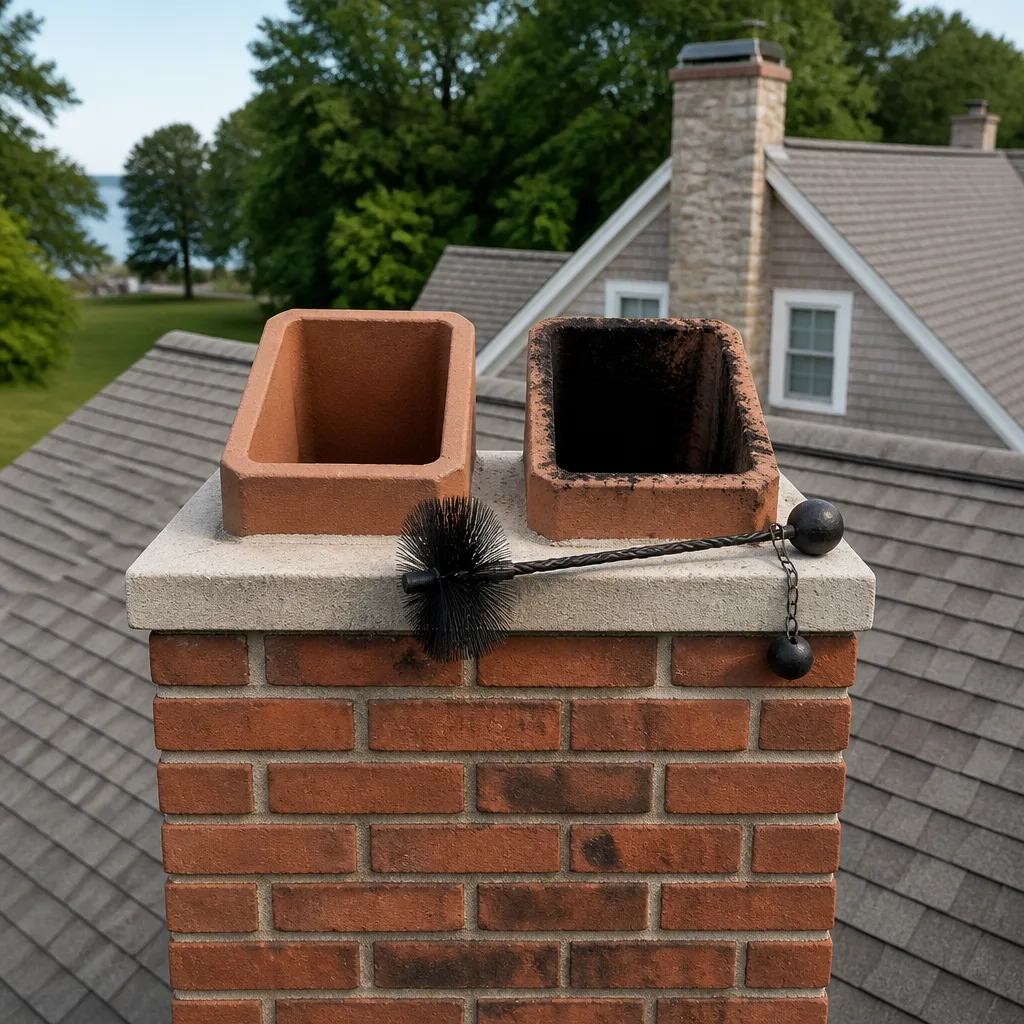 Sweep & inspection
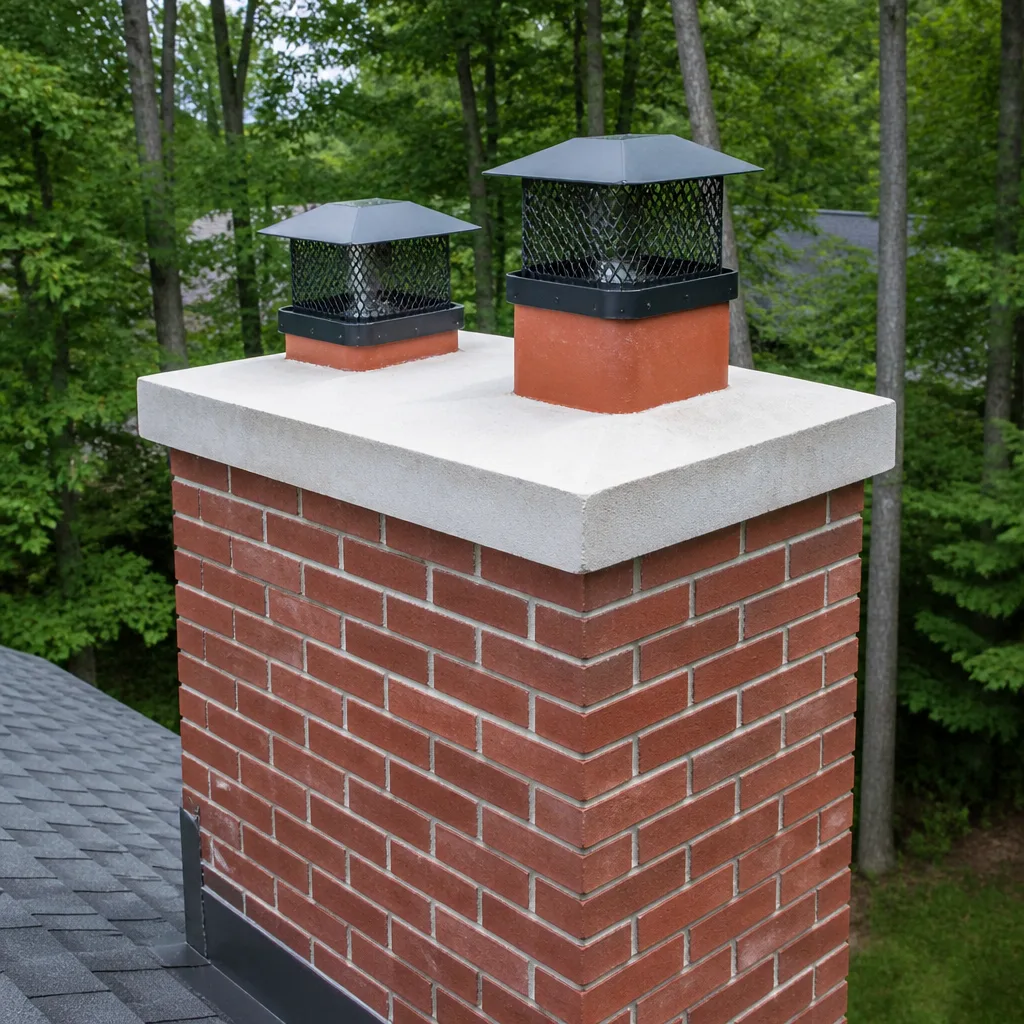 Caps & crowns
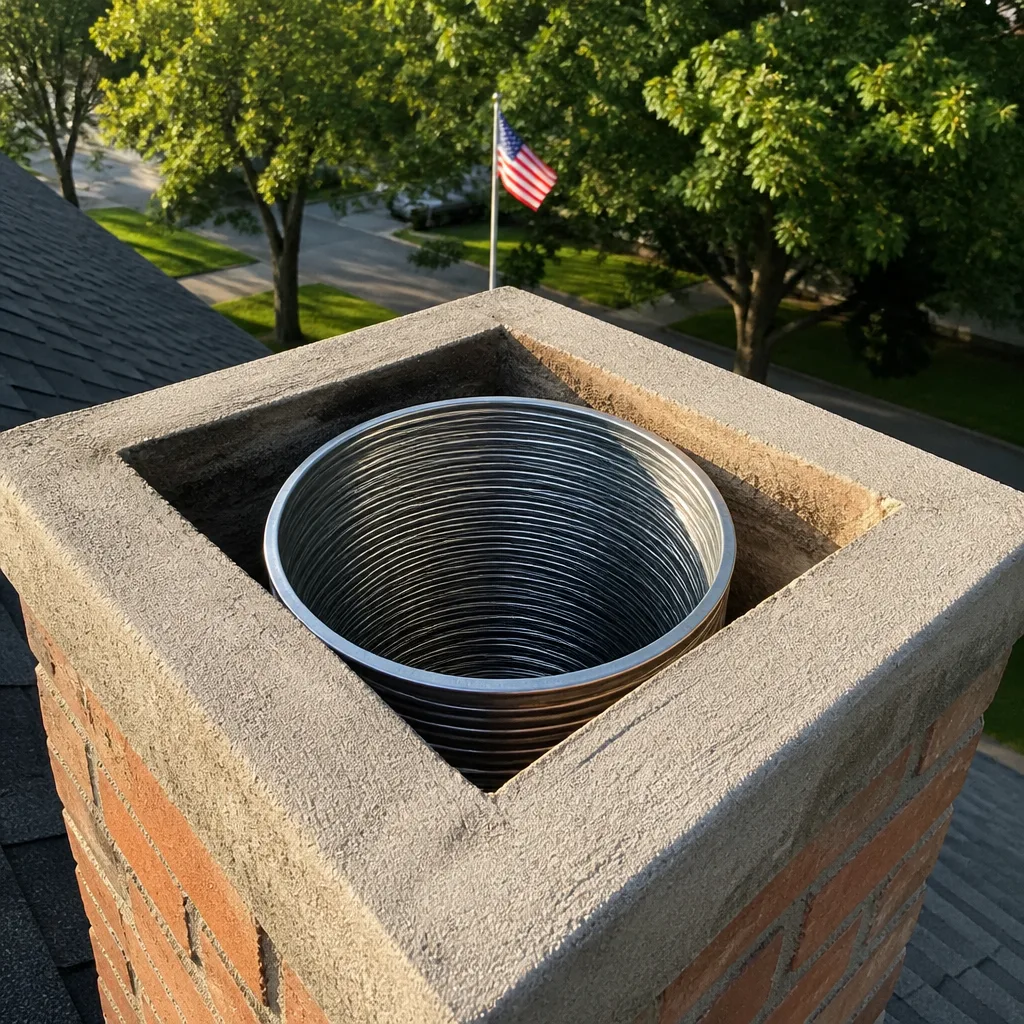 Flue relining
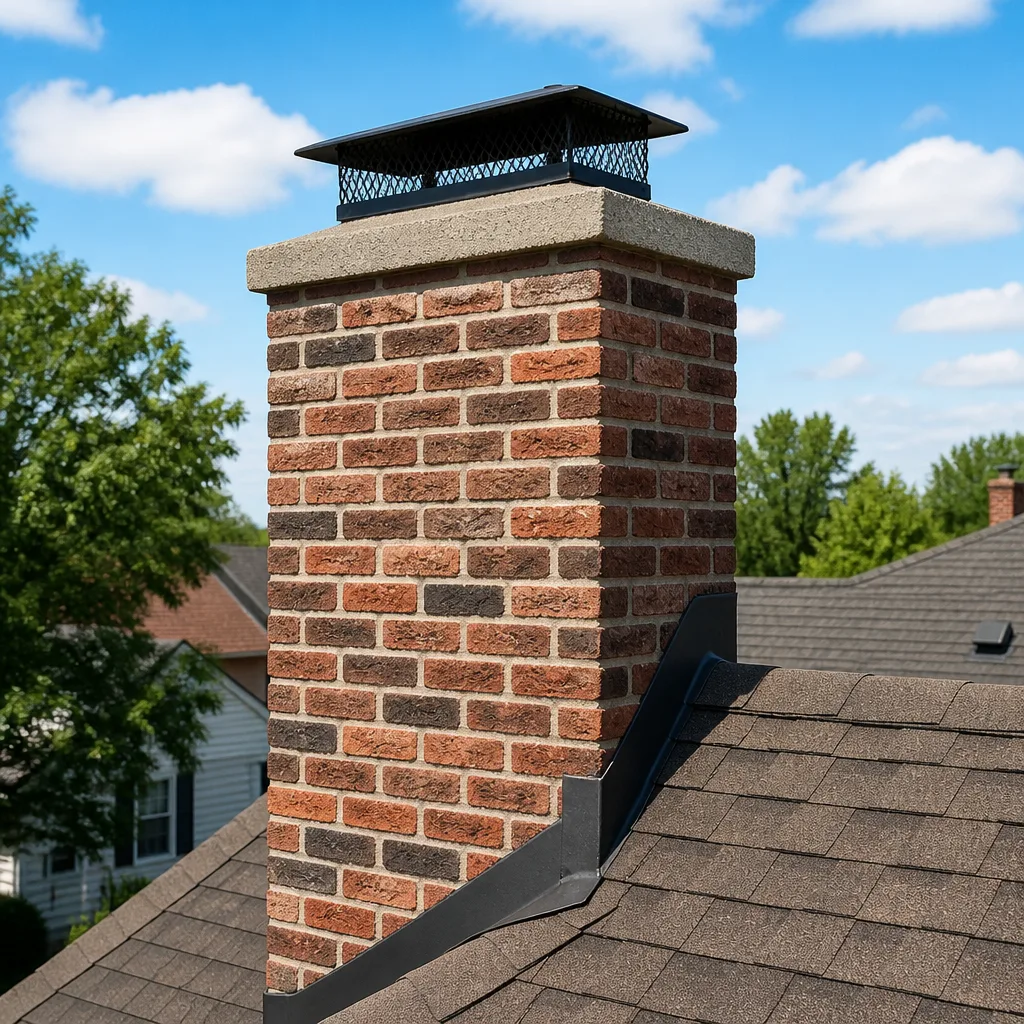 Masonry repair
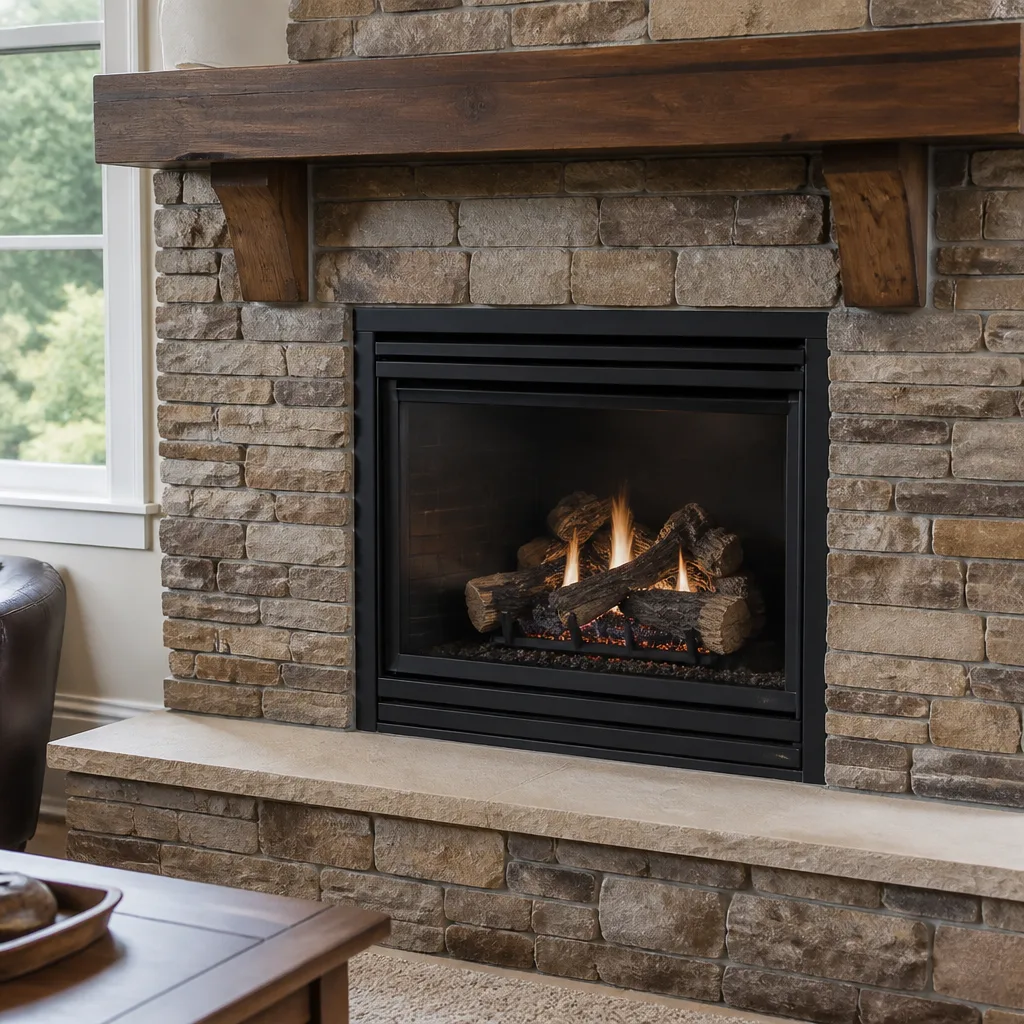 Gas fireplace service
Level 1 sweep and inspection to the NFPA 211 annual standard - flue, crown, cap, and flashing checked and photographed
Chimney sweep logs do not sweep chimneys. They loosen some creosote - which then falls where a brush and vacuum still have to collect it.
Chimney Cleaning Warning Signs: A Lakewood Homeowner’s Reference Guide
A strong, musty odor coming from your fireplace in July, with no fire lit in months, is one of the clearest signs of a compromised flue. Most homeowners assume it’s just a quirk of summer, something about the heat or the house settling, and they wait until October to think about it. That wait is the problem. The warning signs a chimney gives you arrive long before an emergency does, and they arrive quietly: a smell, a stain, a flake of debris on the firebox floor. This guide teaches you to read those signals and sort them into three buckets: watch it, service it soon, or don’t light another fire until someone looks. We’ll cover what’s specific to Lakewood homes and North Texas weather along the way.
Quick Answer
Chimney warning signs fall into three urgency tiers. Cosmetic or monitor-only signs include light soot dust and minor exterior discoloration. Service-needed signs include glazed black creosote, musty odors when the fireplace is cold, white staining on exterior brick, and rust around the damper frame. Do-not-use signs include smoke rolling back into the room, flaking liner debris on the firebox floor, and loud popping or cracking during a fire. When in doubt, treat it as the higher tier and get an inspection.
Styles & brands we work with
- Sweep & inspection
- Caps & crowns
- Flue relining
- Masonry repair
- Gas fireplace service
Table of Contents
- Why Lakewood Chimneys Show Warning Signs Differently
- The Three Urgency Tiers, Explained
- North Texas Indicators: Efflorescence, Spalling, and Rust
- The Smell Diagnostic: What Each Odor Tells You
- What You Can Safely See Inside the Firebox
- Warning Signs That Only Appear During a Fire
- What a Professional Inspection Actually Checks
- Common Mistakes to Avoid
- When to Call a Professional
- Frequently Asked Questions
Why Lakewood Chimneys Show Warning Signs Differently
Lakewood homes sit in a climate that’s hard on masonry in a way many homeowners don’t expect. Our summers are long and hot, and our winters are mild. That combination doesn’t freeze and crack a chimney the way northern guides describe. Instead, it bakes it. Masonry absorbs moisture from humid summer air, from rain, and from the combustion process itself, then expands and contracts as temperatures swing from a hot afternoon to a cooler night. Over years, that slow cycle loosens mortar and opens small pathways where water gets in. That’s the mechanism behind most of the exterior warning signs you’ll read about below.
The housing stock matters too. Lakewood has a mix of older homes with original brick chimneys and newer construction with prefabricated metal flues. The two fail in completely different ways. A masonry chimney typically shows its problems on the outside: a stained brick face, a crumbling crown, a leaning stack. A prefabricated flue often shows nothing on the outside at all, because the problem is inside the metal itself. That’s one reason a visual walk-around from the ground is useful but never conclusive.
Wood-burning habits in Lakewood add another layer. Our burning season is shorter than up north, but that doesn’t mean less creosote. Inconsistent burning, unseasoned wood, and damped-down fires that smolder for hours all build creosote faster than a hot, active fire. When a chimney is used a few times a week for a few months and then sits idle through a humid summer, that creosote can absorb moisture and turn into the source of the very smell that puzzles so many homeowners.
The Three Urgency Tiers, Explained
Most chimney guides list warning signs in one long undifferentiated pile. That’s not useful when you’re standing in front of your fireplace trying to decide whether to light it. We sort signs into three tiers because the action you take should depend on which tier you’re in, not on how alarming the sign looks. A cracked crown can look dramatic and give you months of runway. A little rust around a damper frame can look minor and point to a problem that shouldn’t wait. Appearance is a poor guide to urgency.
- Tier 1: Monitor. Signs that are worth noting and re-checking, but that don’t require immediate action. Examples: a light dusting of soot on the firebox walls, minor discoloration on the exterior brick, a small amount of ash buildup after a season of use. These are the “write it down and look again in a few weeks” items.
- Tier 2: Service soon. Signs that mean the chimney should be cleaned or inspected before the next burning season, ideally within a few weeks. Examples: glazed black creosote on the flue walls, a persistent musty smell when the fireplace is cold, white efflorescence on exterior brick, rust staining near the damper. These don’t stop you from using the fireplace today, but they shouldn’t be deferred indefinitely.
- Tier 3: Do not use until inspected. Signs that mean don’t light another fire. Examples: smoke rolling back into the room from the firebox, flaking liner debris accumulating on the firebox floor, unusual popping or cracking sounds while a fire is burning, a strong creosote smell that grows each time you use the fireplace. These are stop-and-call signs. A trained inspection should happen before the chimney is used again.
The value of the three-tier system is that it lets you stop second-guessing. You don’t need to know what’s wrong. You need to know which tier you’re in, and the tier tells you what to do. In our experience, the signs homeowners most often mis-categorize are the firebox debris and the popping sounds. Those almost always point to a Tier 3 situation, and they’re the ones most likely to get waved off as “just an old chimney.”
North Texas Indicators: Efflorescence, Spalling, and Rust
Three exterior and damper-area signs show up again and again on Lakewood chimneys, and each one points to a specific problem.
White efflorescence on exterior brick. Efflorescence is a chalky white deposit that appears on masonry surfaces when water moves through the brick and evaporates on the surface, leaving mineral salts behind. On a Lakewood chimney it usually signals one of two things: water is getting in somewhere it shouldn’t, or the masonry is absorbing moisture and releasing it slowly. The deposit itself is not damaging, but the water movement that causes it is worth understanding. If efflorescence reappears after you’ve cleaned it off once, the moisture source is still active and needs tracing. That’s a Tier 2 sign.
Spalling mortar at the crown. The crown is the sloped concrete or masonry cap at the very top of the chimney, and it’s designed to shed water away from the stack. After a long summer of heat and sun, older crowns often develop small cracks or begin to spall, meaning flakes of mortar or concrete loosen and fall away. Once the crown is compromised, water gets into the chimney’s structure and the problem compounds. Spalling mortar at the crown is a Tier 2 sign that’s genuinely worth acting on, and it’s one of the reasons we treat chimney cap & crown as a dedicated service rather than an afterthought.
Rust staining around the damper frame. The damper is the metal plate that opens and closes the flue, and its frame sits at the top of the firebox. Rust around that frame means moisture has been present in the firebox or the flue, and that moisture is coming from somewhere: a leaky crown, a missing cap, a compromised liner, or condensation from a cold flue in a humid summer. Rust is a Tier 2 sign in most cases, but if the rust is heavy or you can see actual water staining, it’s worth a faster call.
The Smell Diagnostic: What Each Odor Tells You
Odor is one of the most useful diagnostic tools a homeowner has, and almost nobody uses it well. Homeowners tend to describe any fireplace smell as “creosote” or “just smoke,” but different smells point to different problems. Learning the difference helps you give an accurate description when you call for an inspection, which in turn helps the technician know what to look for.
- Musty or earthy smell, especially when the fireplace is cold or in summer: This usually points to moisture in the flue or firebox, often combined with a buildup of creosote that has absorbed humidity. It’s the most common smell Lakewood homeowners call about, and it’s usually a Tier 2 sign.
- Asphalt or tar smell: This typically points to a heavy creosote deposit in the flue, often a later stage of creosote that’s begun to soften or bake. It’s a Tier 2 to Tier 3 sign depending on intensity.
- Burning plastic smell: This is unusual and worth taking seriously. It can point to a problem with the flue itself, a component failure, or debris in the flue. Treat it as Tier 3 until an inspection clears it.
- Cold smoke smell, or strong smoke odor in adjacent rooms when no fire is burning: This usually points to a draft problem or a compromised flue that’s allowing gases to move backward through the system. Tier 3.
- Sharp creosote smell that gets stronger every time you burn: A sign that creosote is building up faster than it’s being removed. Tier 2, but trending toward a sweep.
One thing to remember about odors: they’re not a substitute for a physical inspection. A musty smell in July might be a compromised flue, and it might simply be the combination of a humid summer and creosote that’s ready to be swept. The smell tells you there’s a problem. The inspection tells you what it is and how much urgency it deserves. Our chimney sweep visits always pair an inspection with the cleaning, so you get both answers at once.
What You Can Safely See Inside the Firebox
There are a few things you can look at yourself without any risk, provided the fireplace has been completely cold and unused for at least a full day. We want to be clear about the limits here: looking is fine, touching and reaching are not. The flue is a genuinely dangerous part of the system, and you should never put your hand or a tool up into it. What follows is description, not instruction.
Glazed black deposits. Soot is soft and brushes off easily. Glazed black deposits look shiny, hard, and slightly reflective, almost like a coat of black paint on the firebox walls or the visible portion of the flue. That shine is the signature of stage 2 creosote, which is denser and more combustible than the fluffy stage 1 variety. If you can see a shiny black coating inside the firebox, that’s a Tier 2 sign and it shouldn’t be put off until next season.
Flaking liner debris on the firebox floor. Any debris accumulating on the firebox floor that isn’t ordinary ash and soot is worth noting. Flakes of clay, concrete, or metal point to a liner that’s beginning to deteriorate, and that’s a Tier 3 sign. If you see pale flakes the size of a fingernail or larger, don’t use the fireplace again until it’s been inspected.
Damage to the smoke shelf. The smoke shelf is a small ledge at the back of the firebox, just above the damper, that helps guide smoke up the flue. You can often see it with a flashlight. If it’s damaged, sagging, or missing pieces, smoke control becomes unreliable and the firebox may not draft correctly. This is a Tier 2 sign, often tied to a related draft problem and best looked at alongside a professional inspection of the whole system.
Our technicians have up to 12 years of experience reading these signs, and we can tell you honestly: a firebox that looks perfectly clean to a homeowner can still have a liner problem that’s only visible from the top of the stack down. A flashlight check is a useful first pass. It’s not a substitute for a real inspection.
Warning Signs That Only Appear During a Fire
Some of the most important warning signs only show up while the fireplace is actually in use. These are the signs you’re most likely to notice but also the most likely to talk yourself out of. Don’t. Signs that appear during a fire are the ones most directly tied to safety, and they deserve the highest tier.
- Smoke rollout from the firebox. If smoke is rolling out of the fireplace into the room rather than drafting up the flue, that’s a Tier 3 sign. It can be caused by a cold flue, by a blocked or partially blocked flue, by a closed or partly closed damper, by a pressure imbalance in the house, or by a flue that’s structurally compromised. Until an inspection tells you which, don’t light another fire.
- Excessive smoke odor in adjacent rooms. If the room next to the fireplace, or the room above it, fills with smoke smell during a fire, gases aren’t moving up the flue the way they should. That’s a Tier 3 sign, and it’s closely tied to draft problems.
- Popping or cracking sounds from the flue. A steady, familiar crackle of burning wood is normal. A sharper popping or cracking sound coming from the flue itself is not. It can point to stage 3 creosote igniting, to a flue component expanding in a way it shouldn’t, or to liner deterioration. Tier 3. Extinguish the fire carefully and get an inspection.
- Excessive or unusual smoke from the chimney top during a fire. A working chimney produces smoke, but unusually thick, dark, or persistent smoke can point to incomplete combustion or heavy creosote accumulation. This is a Tier 2 sign worth describing to your technician.
- Difficulty keeping a fire lit. If your fires have started dying out, smoking heavily, or refusing to draw in a way they used to, the flue is trying to tell you something. Tier 2.
If you’re not sure whether what you’re seeing during a fire is a real warning sign, call and describe it. We answer 24/7. A description of what happened, and when, can tell us a lot about what kind of inspection you need.
What a Professional Inspection Actually Checks
An inspection is where the triage system actually pays off. The signs you’ve noticed are the starting point, and the inspection turns observations into a definitive answer. Here’s what a thorough inspection looks like for a Lakewood home, whether your chimney is masonry or prefabricated.
- Exterior visual review. The technician checks the brick face for efflorescence, the crown for spalling or cracks, and the cap for damage or missing components. Masonry joints are inspected for deterioration. A missing or damaged cap is one of the most common issues we find on Lakewood chimneys and one of the easiest to address with a proper chimney cap & crown installation.
- Flue inspection from the top and from below. The flue is checked for creosote levels, liner condition, and any obstructions. A specialized camera is often used to see what a flashlight can’t, especially on prefabricated flues where the metal components degrade from the inside.
- Firebox and damper review. The firebox walls, smoke shelf, and damper are examined for damage, and the damper is operated to confirm it opens and closes cleanly.
- Creosote assessment. The technician determines which stage of creosote is present and whether a sweep is needed. Stage 2 and stage 3 creosote require specialized cleaning.
- Draft test. A draft test confirms the chimney is moving air in the right direction under normal conditions.
- Written report. You should get a clear description of what was found, what’s urgent and what isn’t, and what work (if any) is actually needed.
We bring professional-grade products to this work: DuraFlex for liner systems, HeatShield for flue resurfacing and liner restoration, and Olympia Chimney components where they fit the system. If an inspection finds something that needs repair, we can address it without passing you to a second contractor. That’s the accountability that comes from a chimney-only specialty. When a liner needs restoration work, HeatShield application lets us resurface the flue rather than jumping straight to a full replacement. It’s a service many sweep-only providers can’t offer, and it changes the repair conversation meaningfully when the diagnosis allows for it.
See the difference
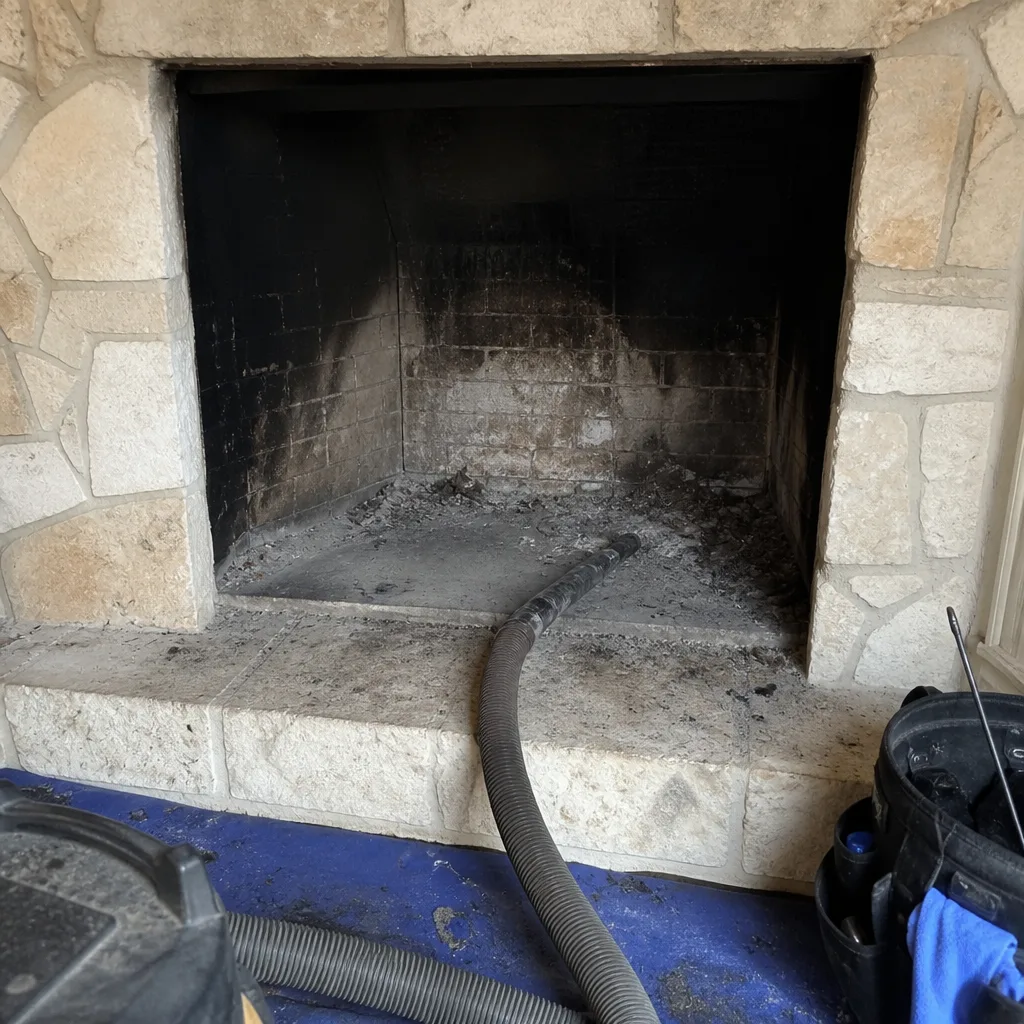 Before
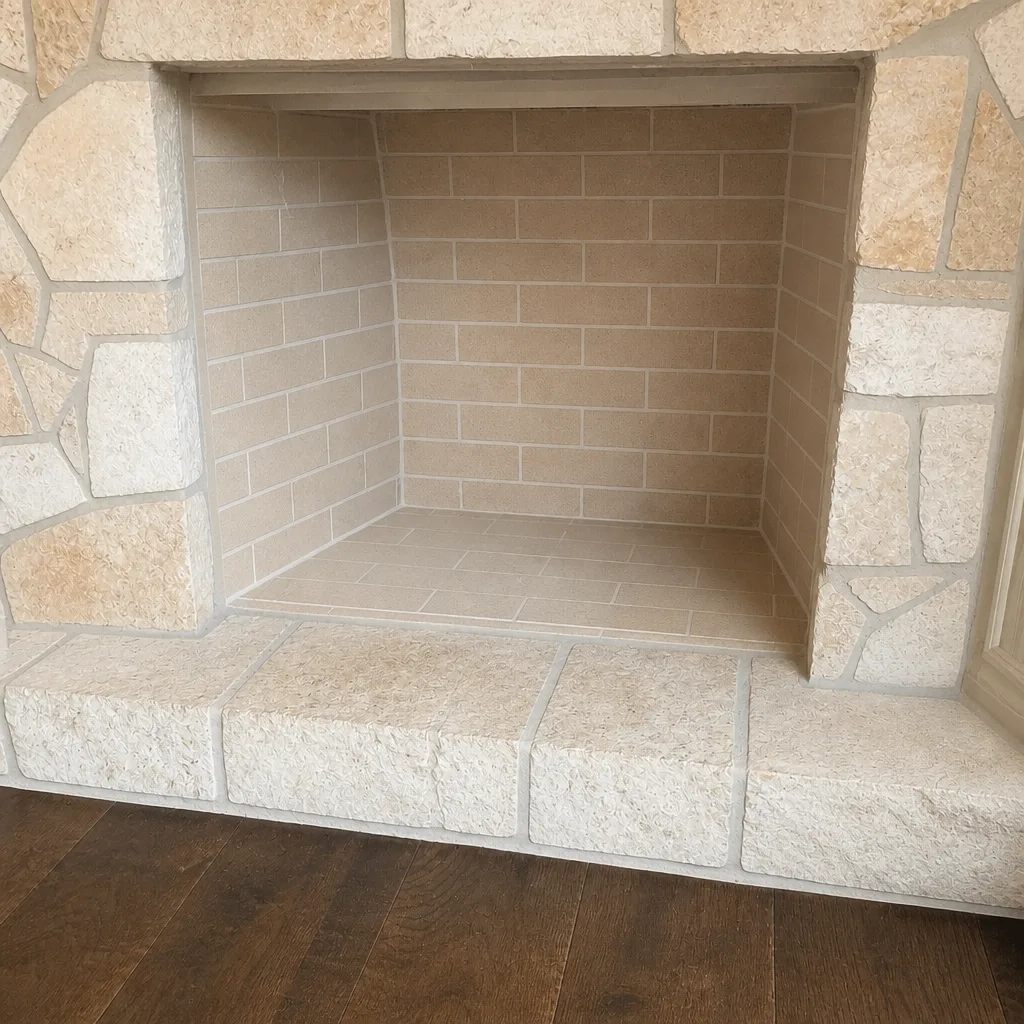 After
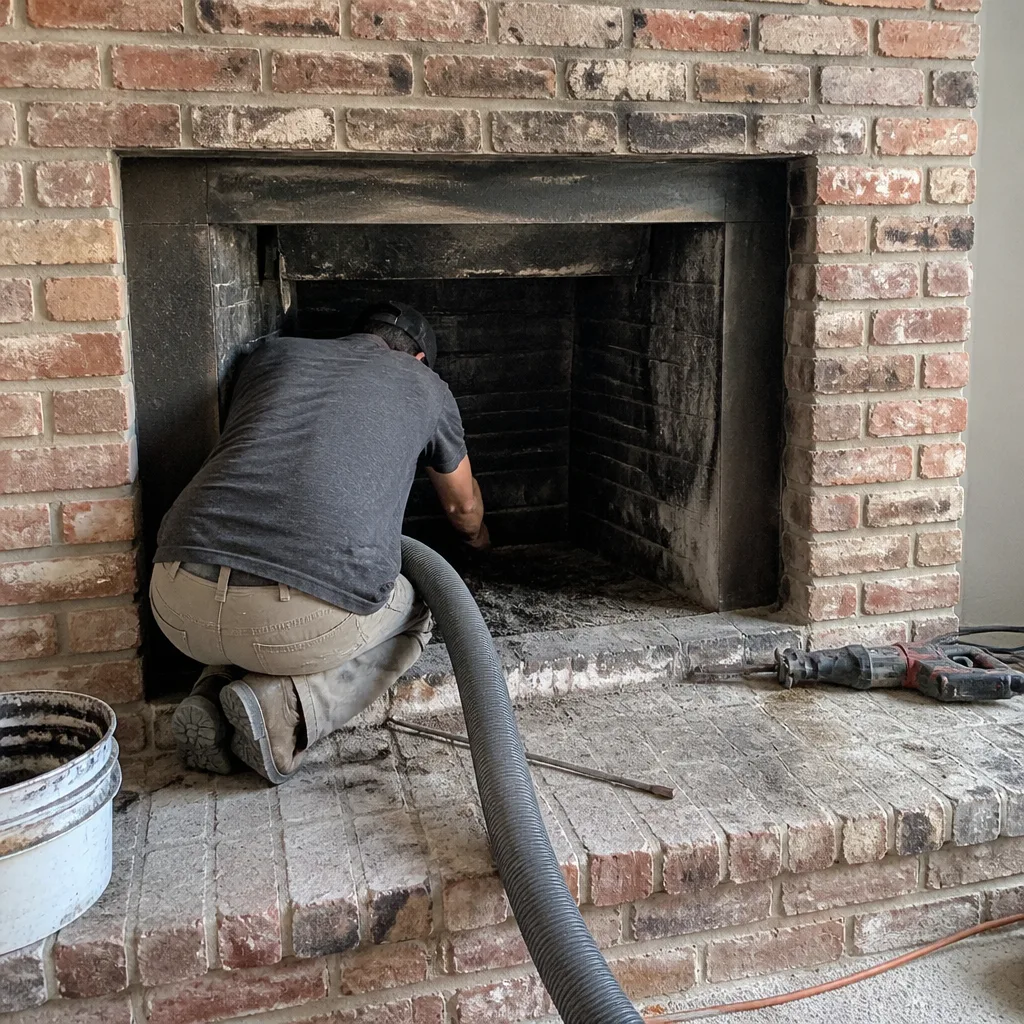 Before
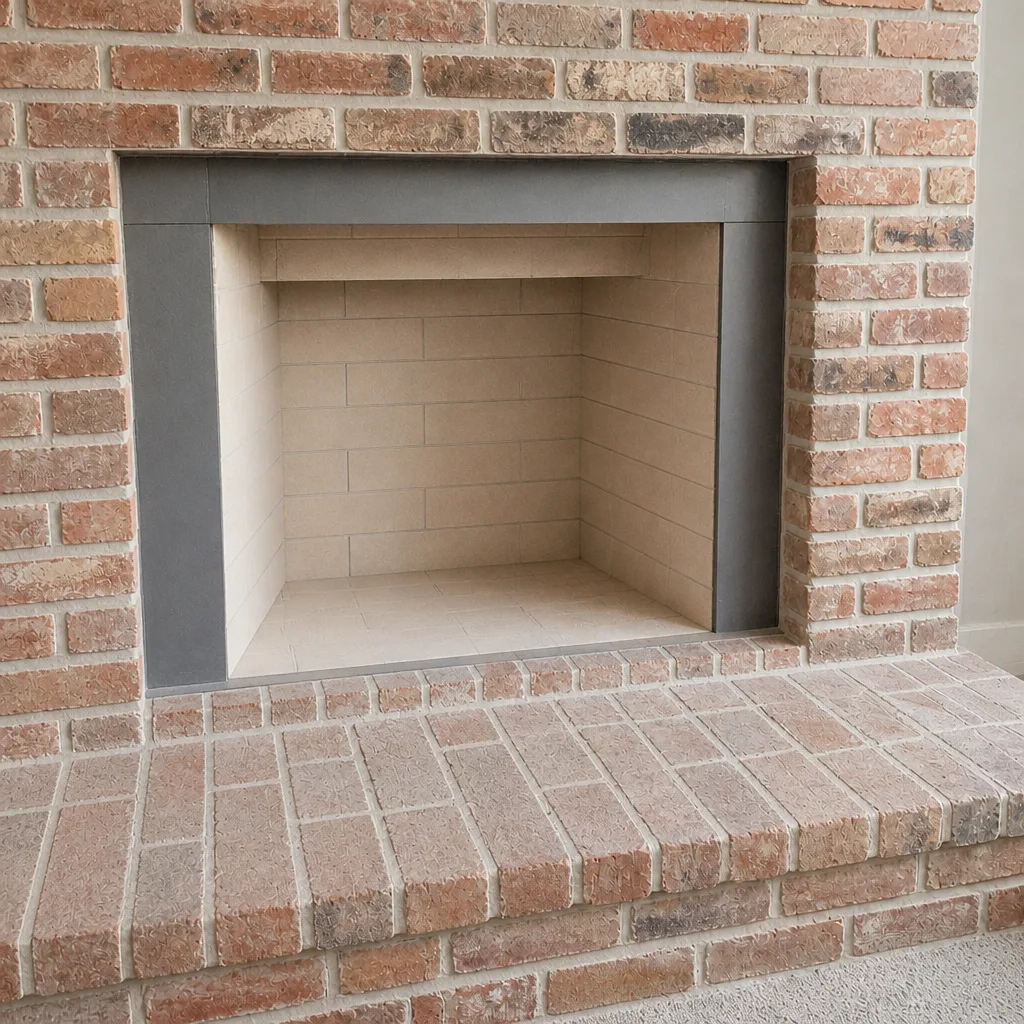 After
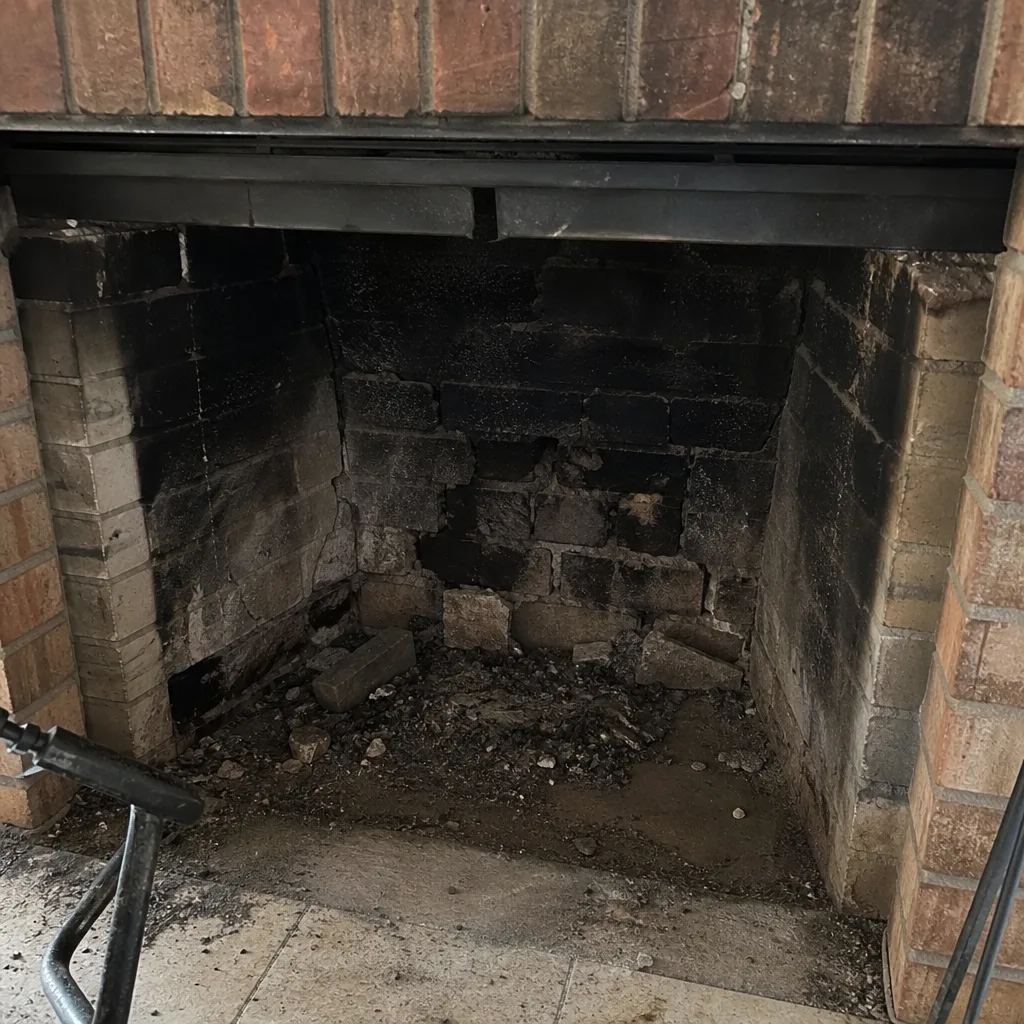 Before
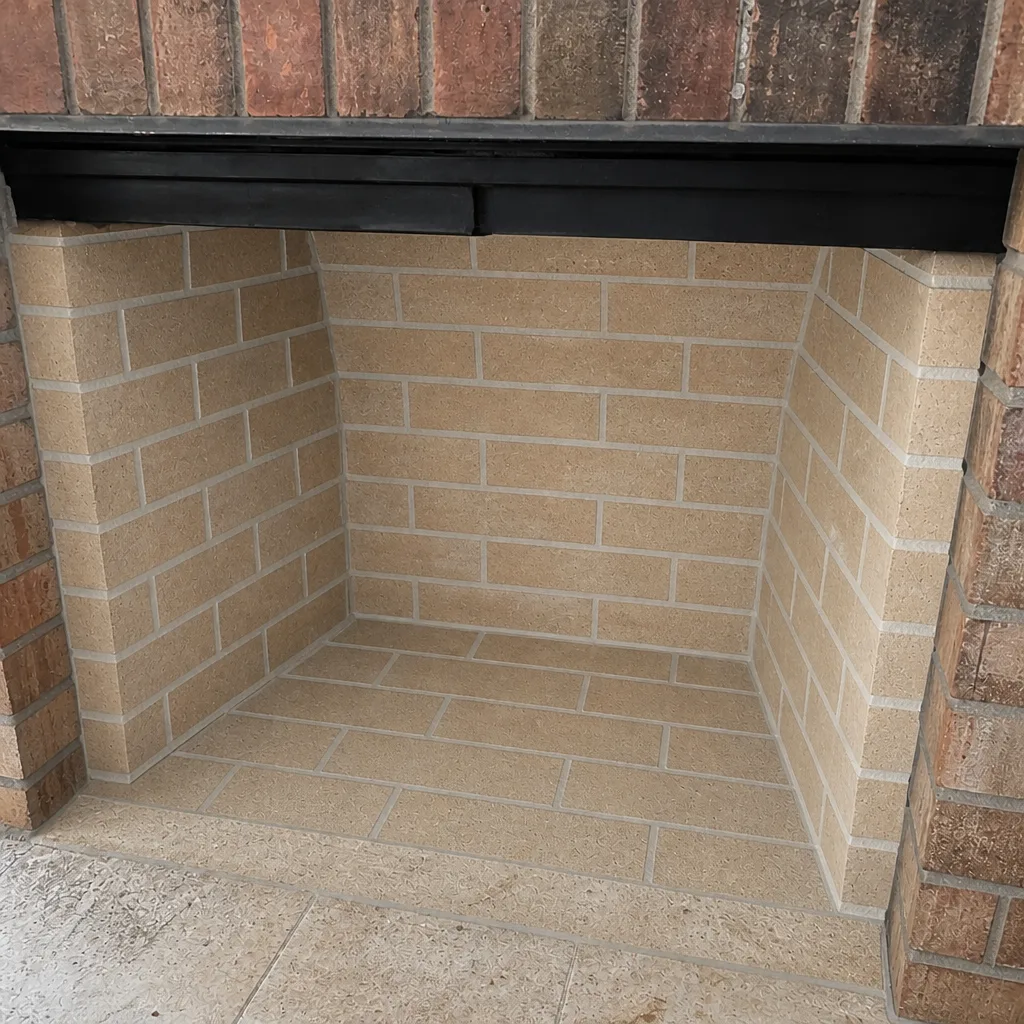 After
Common Mistakes to Avoid
- Treating every smell as “just creosote.” Lakewood’s humid summers mean musty, earthy, and cold-smoke odors are common, and each points to a different problem. Describing the smell accurately when you call saves time and leads to a more targeted inspection.
- Assuming a well-maintained chimney can’t have problems. A chimney can look clean from the outside and still have a compromised liner. Regular sweeping reduces risk but doesn’t replace inspection.
- Skipping the inspection because you had a sweep. A sweep is a cleaning. An inspection is an assessment. They’re related, but they’re not the same service, and a professional visit should include both.
- Waiting for the first fire of the season to check anything. The musty smell you noticed in July is the same problem you’ll find in November, just less convenient to deal with. Summer is the ideal time to book a sweep in Lakewood, before the burning season starts.
- Cleaning efflorescence off exterior brick and assuming it’s solved. If the white staining returns after cleaning, the moisture source is still active. The visible stain is a symptom, not the problem to fix.
- Lighting a fire to “test” whether a warning sign is real. Popping sounds and smoke rollout during a fire are precisely the signs you shouldn’t be testing this way. If you’ve noticed either, call for an inspection before the next fire.
- Ignoring firebox debris. Flaking liner material on the firebox floor is one of the clearest Tier 3 signs, and one of the most commonly waved off as “just old chimney dust.”
When to Call a Professional
Call us when you’re in Tier 2 or Tier 3 and unsure which. Call immediately if you’ve seen smoke rollout, heard popping or cracking from the flue, or found flaking debris on the firebox floor. Call within a few weeks if you’ve seen glazed black deposits, rust around the damper, white staining on exterior brick, or a persistent musty smell. Call to schedule a routine chimney sweep or inspection before the burning season if it’s been more than a year since the last one, or if it’s your first season in a new home. And call if you’re not sure whether a sign is serious, because a description over the phone costs nothing and can save you from lighting a fire you shouldn’t. Lakewood Chimney Sweep Pros offers free estimates in Lakewood. Call (888) 839-3160. We answer 24/7. Fast dispatch from 7am to 7pm, Sunday through Friday.
Frequently Asked Questions
Most Lakewood homes should have their chimney swept at least once a year, ideally before the burning season starts. A shorter burning season doesn’t mean less creosote buildup; in our experience, intermittent use with smoldering fires can actually produce tougher creosote deposits than a longer, hotter burning season. If you burn a lot of wood, or if you notice any of the Tier 2 signs in this guide, schedule a sweep sooner. Call (888) 839-3160 for a free estimate.
A musty or earthy smell from a cold fireplace usually points to moisture in the flue or firebox, often combined with creosote that has absorbed humidity. In a Lakewood summer, that combination is common, and it often surfaces in July when no one has lit a fire in months. The musty smell isn’t an emergency, but it’s a Tier 2 sign worth investigating with an inspection. Call (888) 839-3160 to book one.
White staining on exterior brick, called efflorescence, is not damaging in itself, but it points to water movement through the masonry. If it returns after you clean it off, the moisture source is still active. That’s the piece worth tracing with a professional inspection, since water intrusion is what leads to spalling mortar, crown damage, and longer-term structural issues. Call (888) 839-3160 for an estimate.
We don’t recommend it. The flue is a genuinely dangerous part of the system, and the risks of working on a steep roof or reaching into a flue have nothing to do with skill and everything to do with the consequences of a slip. Beyond safety, a homeowner sweep misses the inspection that identifies liner problems, crown damage, and creosote stage. A professional sweep covers both. Call (888) 839-3160 to schedule one.
Stage 1 creosote is the soft, dusty, matte variety that brushes off easily during a routine sweep. Stage 2 is denser, shinier, and glazed onto the flue walls, and it requires specialized cleaning. Stage 3 is the tar-like or hardened form that’s the most difficult and most hazardous. If you can see shiny black deposits inside the firebox or the visible portion of the flue, you’re likely looking at stage 2 or higher. Call (888) 839-3160 to schedule a sweep and inspection.
Skipping a sweep allows creosote to accumulate and moisture to work into the masonry without being detected. In Lakewood’s humid summers, that’s exactly the combination that produces the musty smell, efflorescence, and damper rust described in this guide. The risk isn’t only that a problem gets worse; it’s that a problem which would have been simple becomes structural. Call (888) 839-3160 for a free estimate and we’ll help you decide what’s actually needed.
The Bottom Line
Most chimney warning signs are visible or smellable from inside a Lakewood home, and the earlier you notice them, the easier they are to address. The three-tier system gives you a way to sort what you’re seeing: monitor what’s cosmetic, service what’s Tier 2, and stop using the fireplace for anything Tier 3. The musty smell in July, the white efflorescence, the rust around the damper, the glazed black deposits, the flaking liner debris, the smoke rollout, and the popping sounds during a fire are all signals, and each has a clear meaning when you know how to read it. A professional inspection is the answer to every one of them, and a chimney sweep pairs it with the cleaning. If you’ve noticed any of these signs, or if you simply aren’t sure whether what you’re seeing is serious, that’s the moment to call.
If any sign in this guide matches what you’ve seen, don’t wait for the next fire to clarify it. We handle the full system under one roof, from sweep to inspection to fireplace repair, and we can walk you through what you’re seeing without pushing work you don’t need. Reach out to the team at Lakewood Chimney Sweep Pros for a free estimate. Call (888) 839-3160. We answer 24/7. Fast dispatch from 7am to 7pm, Sunday through Friday.
Written by the team at Lakewood Chimney Sweep Pros.