
Last updated November 25, 2026
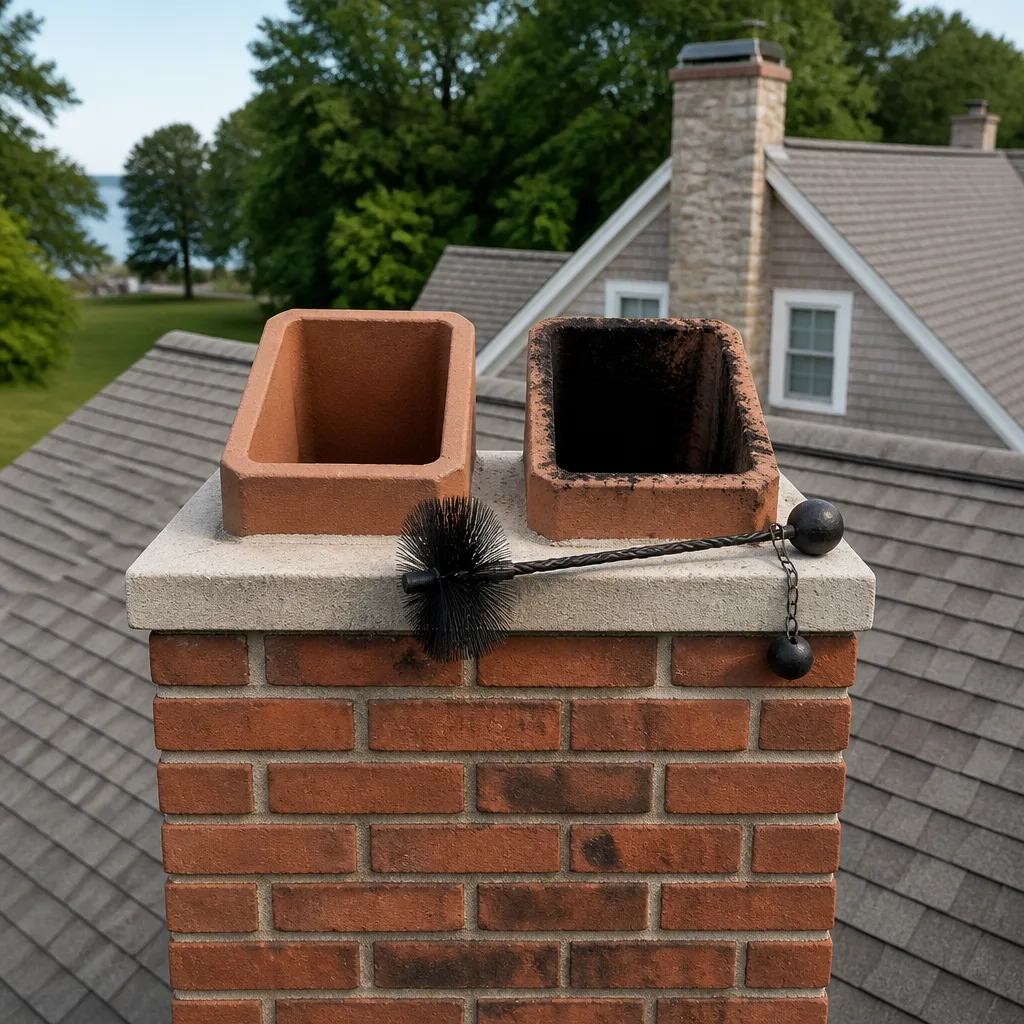 Sweep & inspection
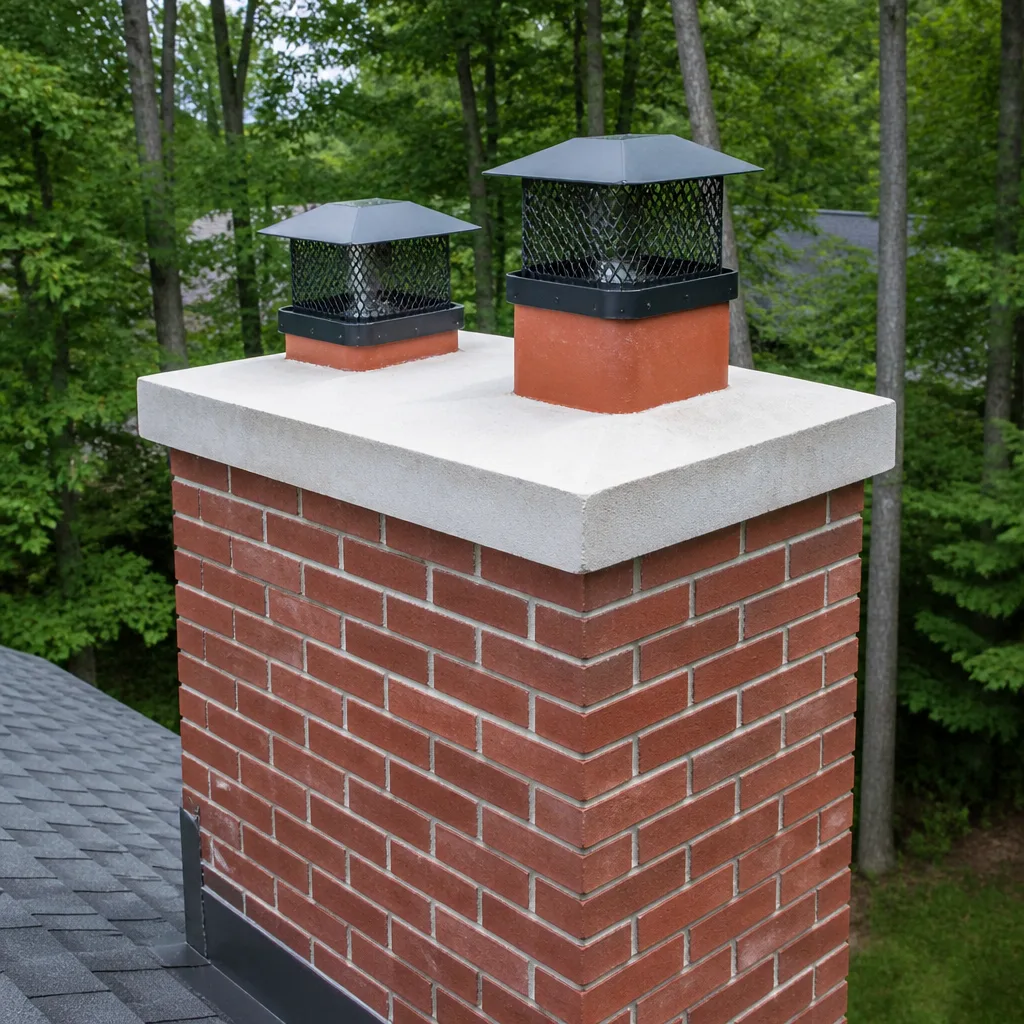 Caps & crowns
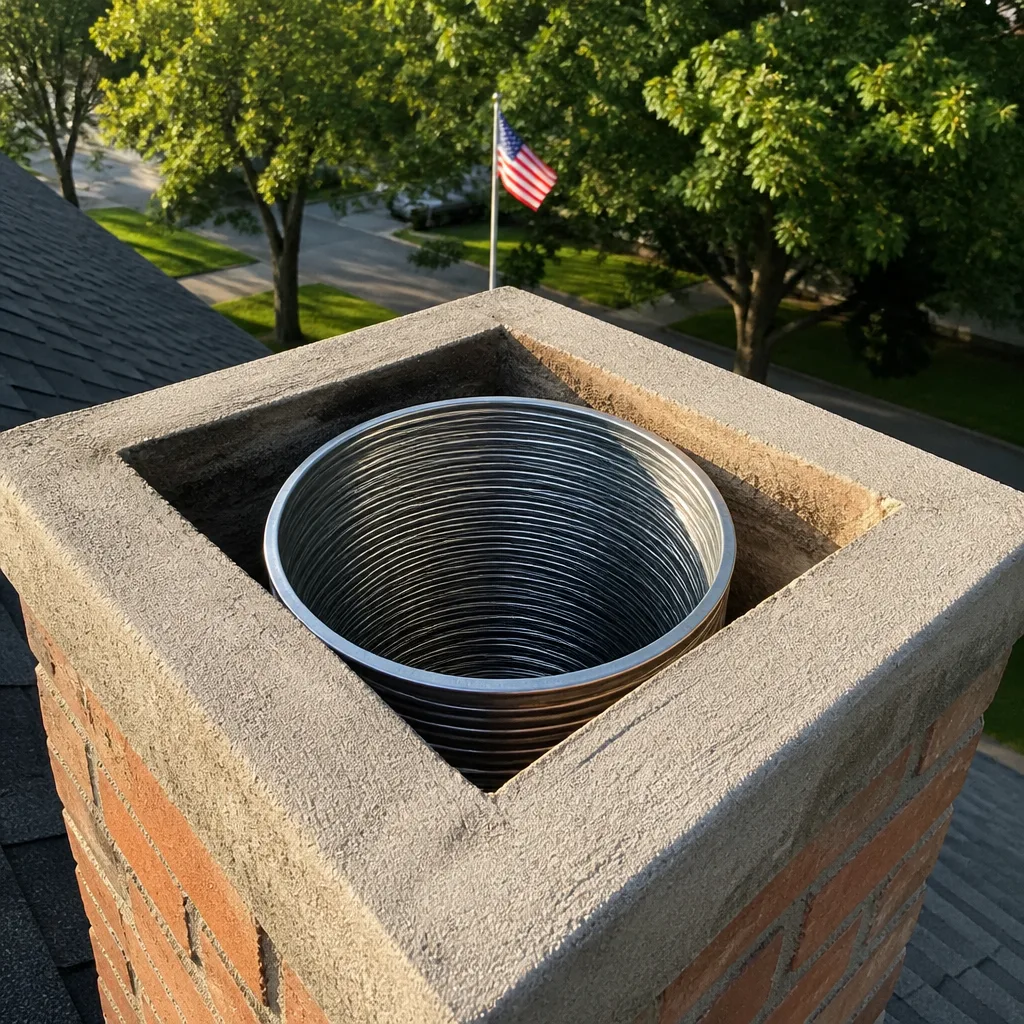 Flue relining
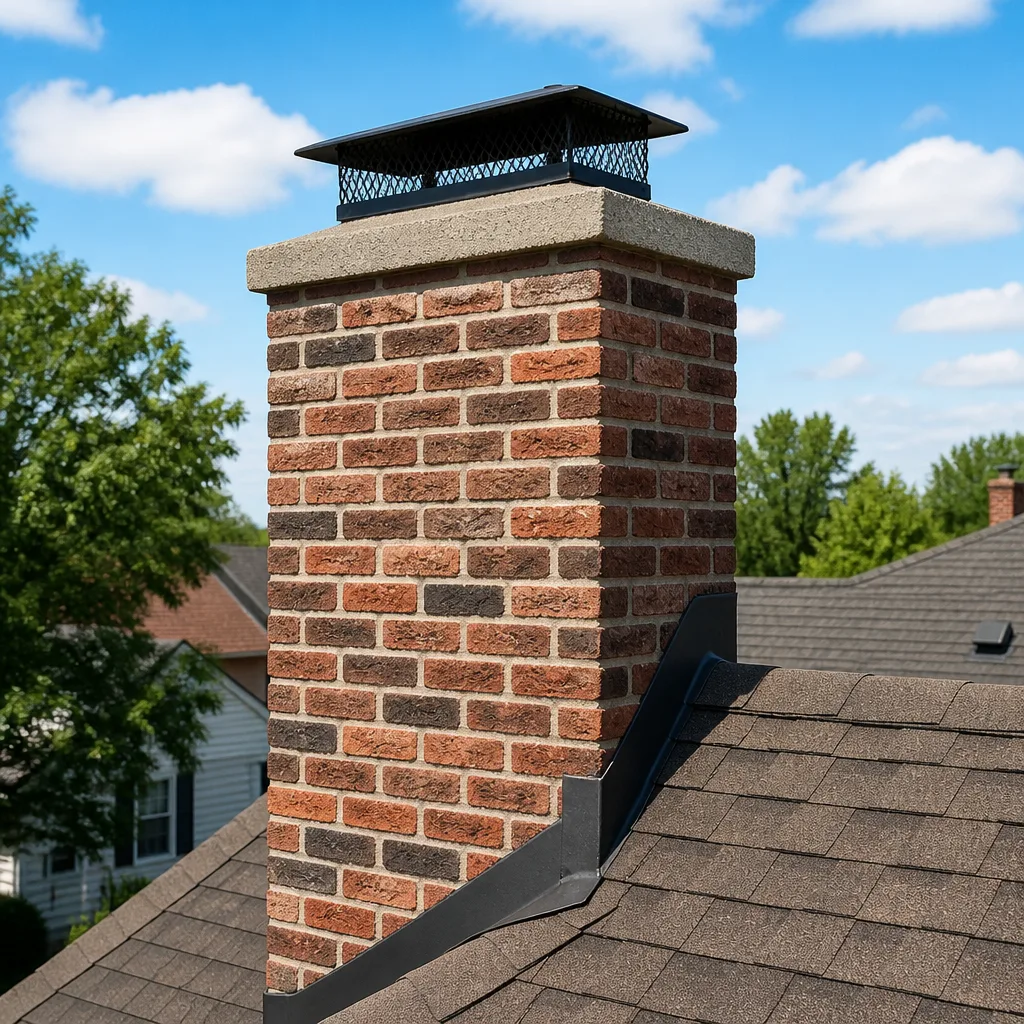 Masonry repair
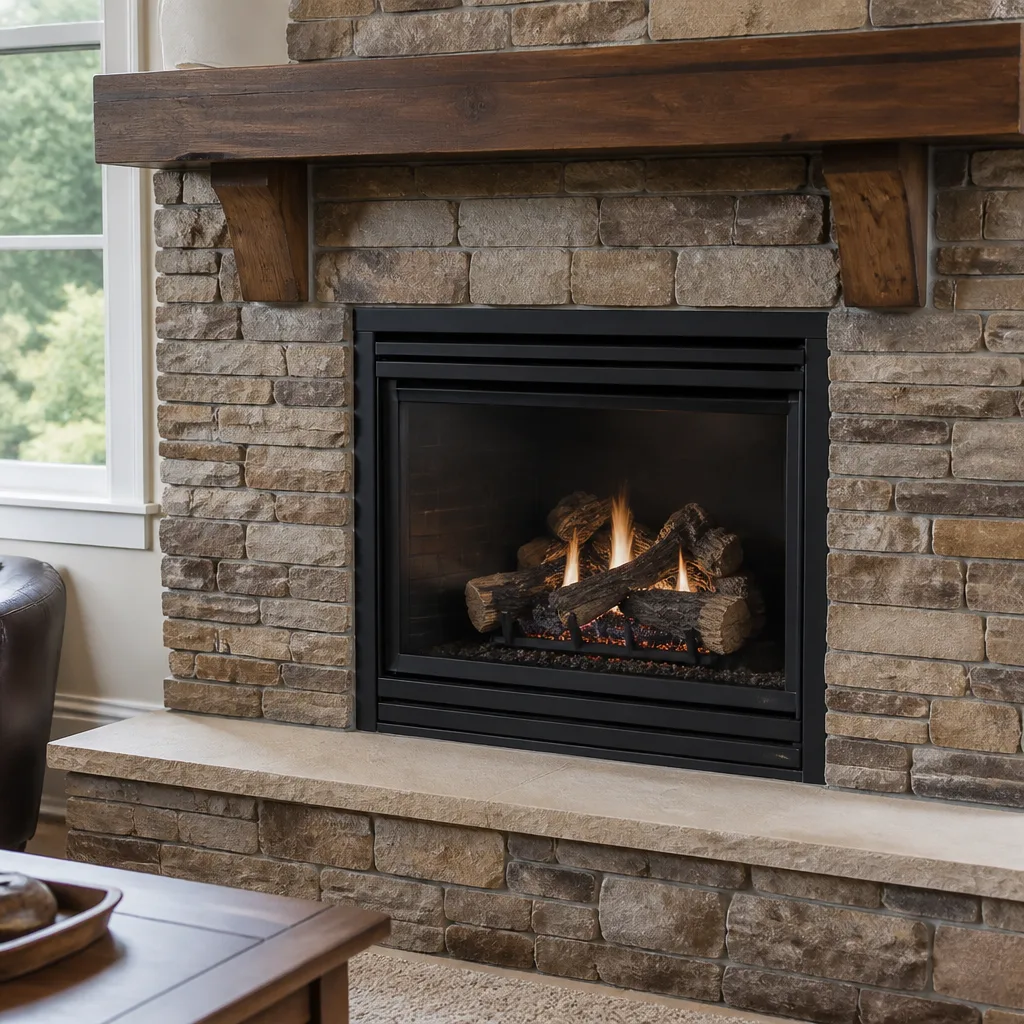 Gas fireplace service
Level 1 sweep and inspection to the NFPA 211 annual standard - flue, crown, cap, and flashing checked and photographed
Chimney sweep logs do not sweep chimneys. They loosen some creosote - which then falls where a brush and vacuum still have to collect it.
Seasonal Chimney Cleaning Care for Lakewood: Year-Round Homeowner’s Guide
Most chimney advice was written for places with long, hard winters and a single spring cleaning ritual. Lakewood doesn’t work that way. Homes here burn intermittently through a mild winter, then sit idle through a brutal North Texas summer that does its own kind of damage to crowns, caps, and liners long before anyone thinks about a fire. If you only think about your chimney in October, you’ve already missed four months of heat cycling, storm season, and nesting season quietly working on the system. This guide maps what actually happens to a Lakewood chimney month by month, what to check and when, and why an infrequently used fireplace can be in worse shape than one that gets regular use. You’ll finish with a calendar you can follow, not a generic checklist built for New England.
Quick Answer
Chimney care in Lakewood should follow a North Texas calendar, not a northern one: inspect and sweep in the fall before burning season, watch the crown and cap through summer heat and spring storms, and assess moisture and creosote again in early spring after the last fire. Infrequent burns in a mild climate build creosote faster and harder than steady, slow burns, so irregular use is not low risk. A yearly inspection with a camera is what keeps the schedule honest.
Styles & brands we work with
- Sweep & inspection
- Caps & crowns
- Flue relining
- Masonry repair
- Gas fireplace service
Table of Contents
- The Lakewood Seasonal Threat Calendar
- Why an Infrequently Used Chimney in Lakewood Is Not Low Risk
- Summer Tasks: Heat, Humidity, Nests, and the Damper
- Spring Storm Season: What Hail and Wind Do Up Top
- The Fall Pre-Season Inspection Window
- Winter Creosote Patterns in a Mild Climate
- A Month-by-Month Action Calendar for North Texas
- What a Real Inspection Looks Like, and What You Should See
The Lakewood Seasonal Threat Calendar
A chimney in Lakewood faces a different pattern of stress than the national advice describes. The threat doesn’t arrive in one deep winter; it arrives in layers, spread across the whole year. Here’s how the seasons actually map onto the parts of the system.
- Late spring through summer: sustained heat and ultraviolet exposure. Crown sealant shrinks and hairline cracks open. The cap takes direct sun. Nesting birds and wasps find an open or damaged cap screen. Metal damper parts stiffen with disuse.
- Spring storm season: hail and high wind. Caps get dented or displaced. Flashing at the roofline lifts in a way you can’t see from the ground.
- Fall: the pre-season window. This is when you want the system inspected and swept before the first fire, not after.
- Winter: intermittent burning. Creosote builds, and mild-climate burning patterns produce harder deposits than steady burns.
- Early spring: moisture assessment. Months of humid air and rain on a cracked crown can leave residue and water damage inside the flue.
Notice what’s missing: there’s no single “spring cleaning” reset. In Lakewood, the summer is a threat season, not a rest season. That’s the reframe this whole guide rests on, and it’s why we tell homeowners here to inspect in the fall and check structurally in summer. The same principle applies whether we’re doing a chimney sweep or a repair estimate. The calendar drives the work, not the other way around.
Why an Infrequently Used Chimney in Lakewood Is Not Low Risk
Here’s the counterintuitive part. A fireplace that’s used a few evenings a year often builds worse creosote than one that’s burned steadily. The reason is how creosote forms.
Creosote is a byproduct of incomplete combustion. The deposit has three recognizable stages. Stage 1 is a light, flaky soot that brushes away easily. Stage 2 is a denser, crusty layer that takes more effort to remove. Stage 3 is hardened, glazed, and can be about as tough as a coat of varnish; it’s also the stage most associated with chimney fire risk. What pushes deposits from stage 1 toward stage 2 and 3 is repeated heating and cooling of the same residue, combined with cooler, less efficient burns.
An irregular burn pattern does exactly that. You light a fire, it burns partway, the flue warms, then cools. Days or weeks later, you do it again, over the same partially deposited residue. Each cycle adds a layer. Compare that to someone who burns consistently with good draft and dry wood: the flue stays warm, the burns are more complete, and the deposits stay lighter. Mild-climate homes that burn a handful of times per season frequently have stage 2 deposits that surprise the homeowner.
So “we hardly use it” is not a reason to skip the annual check in Lakewood. It’s often a reason to pay more attention. For a fireplace that’s sat idle for a couple of seasons, we’ve seen the inside of the firebox and flue tell a very different story than the tidy exterior suggests. That’s also why fireplace repair is sometimes the real need after a long idle stretch, not just a sweep.
Summer Tasks: Heat, Humidity, Nests, and the Damper
Summer is when the exterior of a Lakewood chimney takes the most punishment, and when the small parts fail silently. Three checks matter most during June through August.
- Inspect the cap and its screen. A missing or torn screen is an open door for birds, wasps, and squirrels. Nests restrict draft and can be a fire hazard when the season starts. Look up with binoculars if you can. If you can’t see the screen from the ground, it’s worth a look from the roof by someone trained to be up there.
- Check crown sealant integrity. The crown is the concrete or masonry top that sheds water away from the flue. It lives in direct sun and through heat cycles all summer. Hairline cracks open, sealant dries and pulls away, and the crown loses its slope. Any gap that lets water in is a slow-motion leak into the chimney structure. A chimney cap & crown assessment in summer catches this before the fall rains arrive.
- Lubricate the damper before it stiffens. Damper plates on wood-burning fireplaces sit closed for months in the heat. The pivot points dry out. A damper that opens hard in October is usually a damper that sat stiff through July. A small amount of the right lubricant in summer keeps it moving. We use components from brands like Olympia Chimney and Copperfield when a damper or cap assembly needs replacement, so the part matches the system.
One more summer note: humidity. Lakewood’s warm, humid air holds moisture against masonry and metal for months. That’s a reason to look hard at flashing and the crown now, not after the first cold snap makes a leak obvious indoors. If you have a gas fireplace, the same humidity question applies to the vent cap, which can corrode under conditions that look harmless from the ground.
Spring Storm Season: What Hail and Wind Do Up Top
Spring is when the roof line around a Lakewood chimney takes its hits, and most of the damage is invisible from the driveway.
Hail strikes the cap first. A chimney cap is a metal assembly over the flue, and hail driven at an angle dents the cap body, knocks it out of level, or tears the screen loose from its frame. A displaced cap lets in water, and a torn screen lets in wildlife. Neither shows up from the ground. Wind does a second kind of work. It works at the flashing, the metal that seals the joint between the chimney and the roof. Flashing that has lifted slightly still looks fine from below, but every rain gets a path past it. Water then shows up as a stain on the ceiling or a damp patch on the chimney breast weeks later, and the cause gets blamed on the chimney when it’s really the roof joint.
- Caps dented, cocked, or missing screens: common after a hail event.
- Lifted flashing: invisible from below, obvious from the roof.
- Cracked crown edges: hail and thermal shock together.
- Loose masonry joints: wind-driven rain finds them, then a freeze-free cool snap can widen them.
After a storm season like the one Lakewood tends to get, it’s worth a roof-level inspection rather than a guess. We can’t see a lifted flashing joint any better than you can from the yard. Get up there, or get someone who should. This is also the right time to think about whether the cap is the right cap for the job. A cap that’s undersized for the flue struggles in wind; the wrong fit is a source of recurring noise and backdraft, not just a cosmetic issue.
The Fall Pre-Season Inspection Window
The fall inspection is the anchor of the whole calendar. Its purpose is to find problems before the first fire, when you still have time to fix them without cancelling a holiday evening. A fall inspection in Lakewood should cover the full system top to bottom, not just a peek inside the firebox.
- Exterior walkaround and roof check: cap, screen, crown, flashing, masonry joints.
- Firebox and damper: look for cracks in the firebox, check the damper opens and closes cleanly, confirm the smoke chamber is clear.
- Flue inspection by camera: this is the part most homeowners never see and most need to. A camera inspection shows the inside of the flue, the liner condition, and any creosote stage or obstruction. You should be shown the footage.
- Sweep if needed: a sweep removes creosote and soot so the flue is clean before the season. It’s not the same thing as an inspection, and the order matters: inspect, then sweep if the inspection calls for it.
Fall in Lakewood is also when homeowners schedule everything else, so this is the window to book ahead. The value of an inspection in the fall is that it hands you a written, photo-backed picture of the whole system while there’s still calendar room to act on it. That’s what “we assess the whole system” means in practice: the same visit that finds a worn cap can flag a flue that needs attention, which is exactly why we do inspection, sweep, and repair under one roof instead of handing you a list and a shrug.
Winter Creosote Patterns in a Mild Climate
Lakewood winters don’t run cold enough to keep a flue hot for months at a time. They run cool and intermittent, and that shapes how creosote forms here.
In a colder climate, a busy stove burning steadily with dry wood tends to keep the flue above the temperature where the worst glazing forms. In a mild climate, you get the opposite: shorter fires, cooler average flue temperatures, more on-and-off cycles. The result, over a season, can be a thicker and harder layer of stage 2 creosote than a northern homeowner would expect from the same amount of wood. Add wet or unseasoned wood and the deposit gets heavier still.
What to do about it:
- Burn dry, well-seasoned wood. Moisture in the wood is the biggest driver of incomplete combustion.
- Don’t smoulder. Small hot fires burn more cleanly than large, slow, air-starved ones.
- Book the sweep by inspection result, not by a fixed annual habit alone. If you burn a lot, you may need it more often; if the camera shows light soot, the inspection tells you so.
- Watch for the signs of a chimney fire, which include a loud roaring sound, a lot of dense smoke, or discoloration on the exterior. If you suspect one, stop using the fireplace and have it inspected before the next fire.
That last point matters for safety, not just housekeeping. A creosote fire inside a flue can damage the liner even if it’s quickly smothered. If a liner is compromised, the flue no longer contains what it’s supposed to contain. That’s the reason we’re particular about liner condition and why we’re set up for liner restoration, not just sweeping. Products like DuraFlex liners and HeatShield flue resurfacing are part of how a compromised flue gets brought back into service, and those are jobs a sweep-only provider typically can’t do.
A Month-by-Month Action Calendar for North Texas
Here’s the practical version. This calendar is built for the North Texas climate zone and a Lakewood home, not for a national average.
- January and February (deep winter, mild): burn dry wood, keep fires hot and short, and note any draft problems, smoke spillage, or odd smells. If something feels off, stop and get it checked.
- March (late burning, early signs): final fires of the season. Watch for smoke that won’t draw. Book a post-season inspection and sweep for April.
- April (post-season sweep and inspect): sweep out the season’s creosote while it’s still soft. Camera-inspect the flue and note any moisture from winter. This is the spring post-season moisture assessment.
- May (storm-season readiness): check the cap, screen, and flashing before the heaviest storms. If hail hits, inspect the cap afterward.
- June (summer structural check): crown sealant and damper lubrication. Look up at the cap with binoculars.
- July (peak heat): UV and heat cycling continue. If you had any crown cracks in June, they’re worth sealing now, before fall rain.
- August (pre-fall): confirm your fall inspection appointment. This is the busiest booking month, so this is the time to lock it in.
- September (pre-season inspection): full system inspection top to bottom with camera footage.
- October (first fires): burn only after the inspection is done and any findings are resolved. Confirm the damper operates cleanly.
- November and December (season): burn dry, watch draft, and note anything unusual for the spring visit.
Not every home needs every item on this list every year. A newer chimney with a well-maintained cap and light use has a shorter list than an older masonry stack. Use the calendar as the shape of the year, and let an inspection decide which items actually apply. That’s what Lakewood Chimney Sweep Pros does on every visit: the same calendar, adjusted to what’s actually there.
What a Real Inspection Looks Like, and What You Should See
The single biggest worry homeowners bring to a chimney visit is being told they need expensive work they can’t verify. It’s a fair worry. The answer is simple: nothing should be recommended without camera evidence you can see for yourself.
Here’s what a proper inspection produces:
- Photos and video of the flue interior, from the firebox up to the cap.
- A written record of creosote stage and liner condition.
- A note on the crown, cap, screen, and flashing, with photos.
- A plain-English recommendation on what needs doing now, what can wait, and what’s purely optional.
HeatShield resurfacing, for example, is a real service for a pitted or cracked flue, but it should never be recommended sight-unseen. If someone tells you the liner needs work and can’t show you the footage, ask for it. And if a job can safely wait, we’ll say so; that’s part of an honest inspection, not a departure from one. The goal is a chimney you know is safe, not a longer invoice.
On safety, a word for the DIY-inclined: the exterior and the easily reachable parts of the firebox are fair game to check. The flue interior and anything on the roof, especially while dealing with a cap or flashing, are not. Roof-height work and flue work belong to trained professionals, and we’d rather you stay off the roof than save an inspection fee.
Common Mistakes to Avoid
- Following a northern calendar. Waiting for spring to “do the chimney” ignores the fact that Lakewood summers are a threat season for caps, crowns, and nests. Inspect in fall, check structurally in summer.
- Assuming low use means low risk. Intermittent burns in a mild climate can build stage 2 creosote faster than regular burns. “We hardly use it” is not a reason to skip the annual check.
- Skipping the camera. A quick glance down the flue from the roof is not an inspection. If you’re not shown camera footage, you haven’t seen the most important part of the system.
- Ignoring the cap until the season starts. A torn screen or cocked cap allows wildlife and water in, and the fix takes ten minutes when you find it in summer, versus a scramble when it’s found in October.
- Forgetting the damper. A damper that sits stiff through summer heat starts the season stuck. A little preventive attention in June avoids a stuck damper in December.
- Burning wet wood. In a mild climate, wet wood produces exactly the cooler, smokier burns that drive heavier creosote. It’s the single easiest thing to fix.
- Trusting a “sweep and go” provider. A sweep without an inspection and a repair plan is a cleaning, not a safety check. The whole system needs eyes on it, not just the firebox.
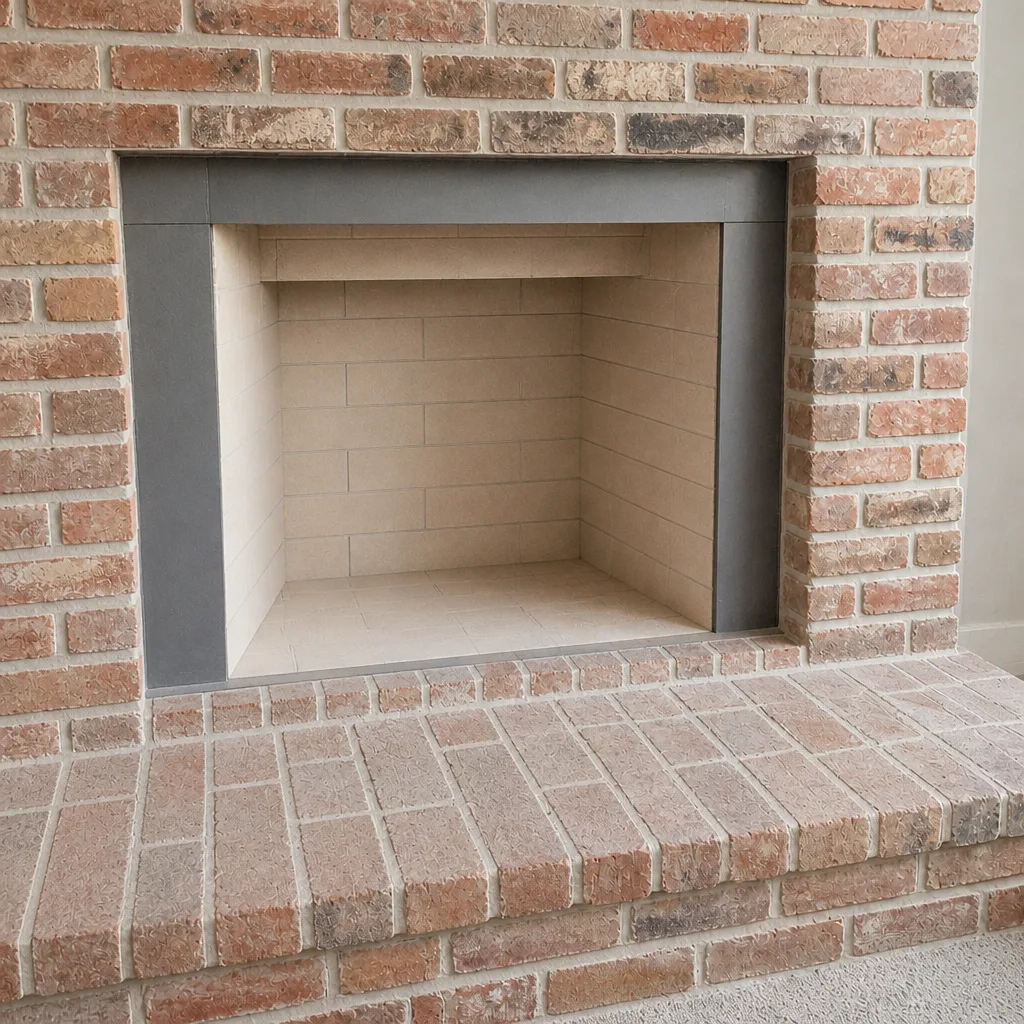
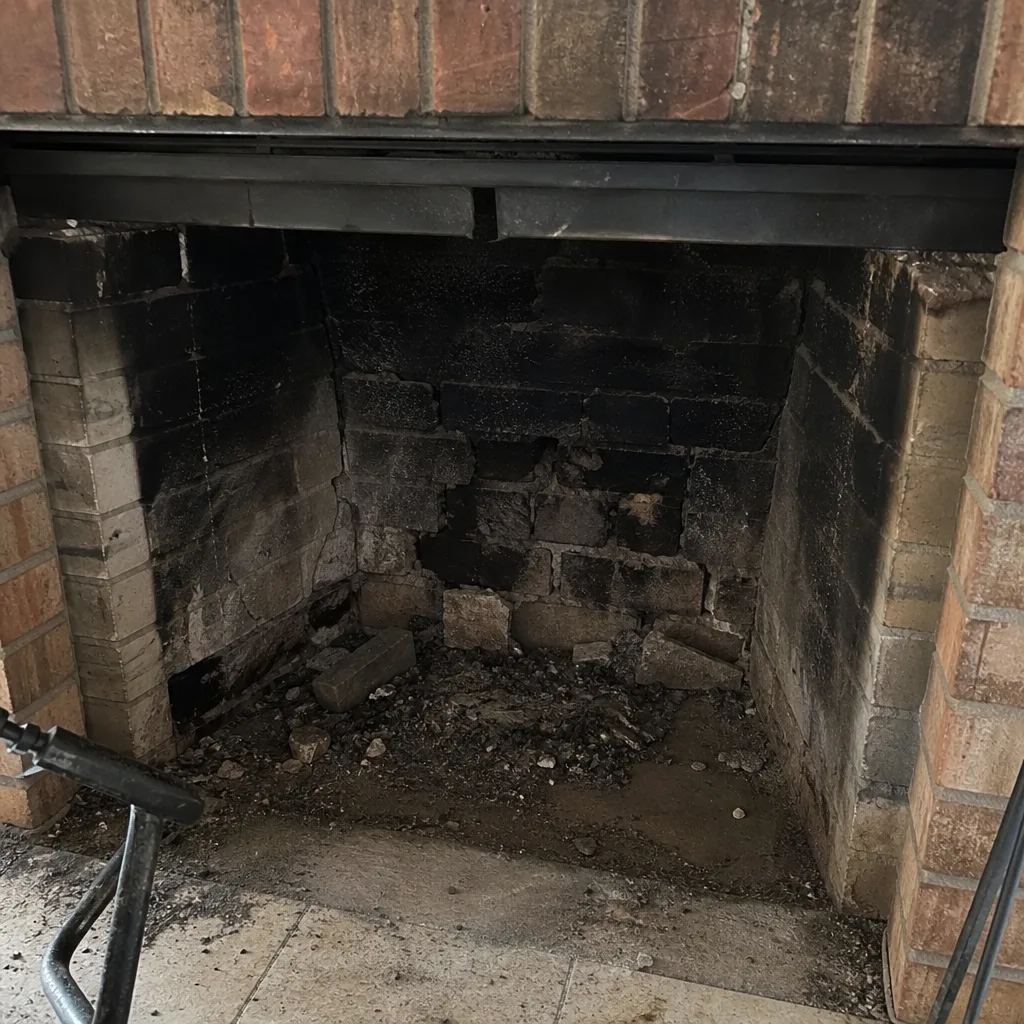
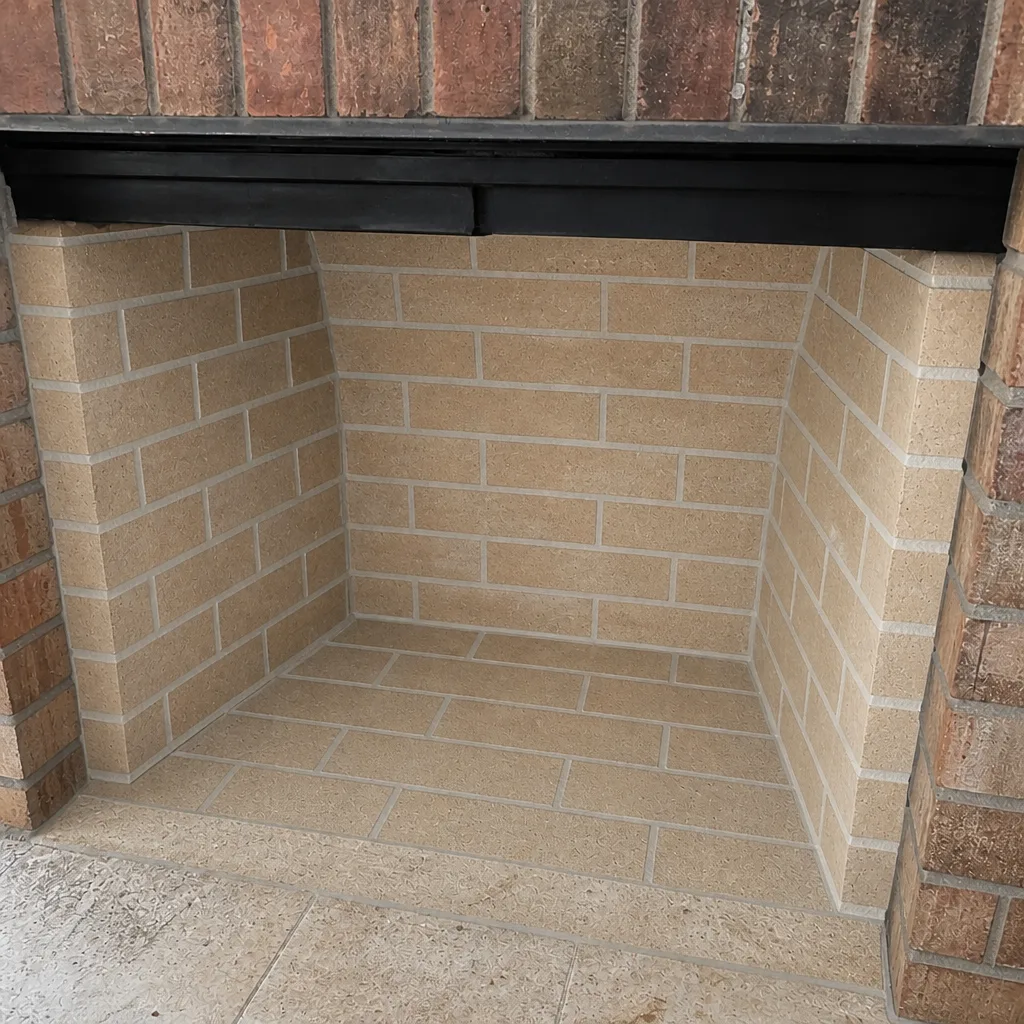
See the difference
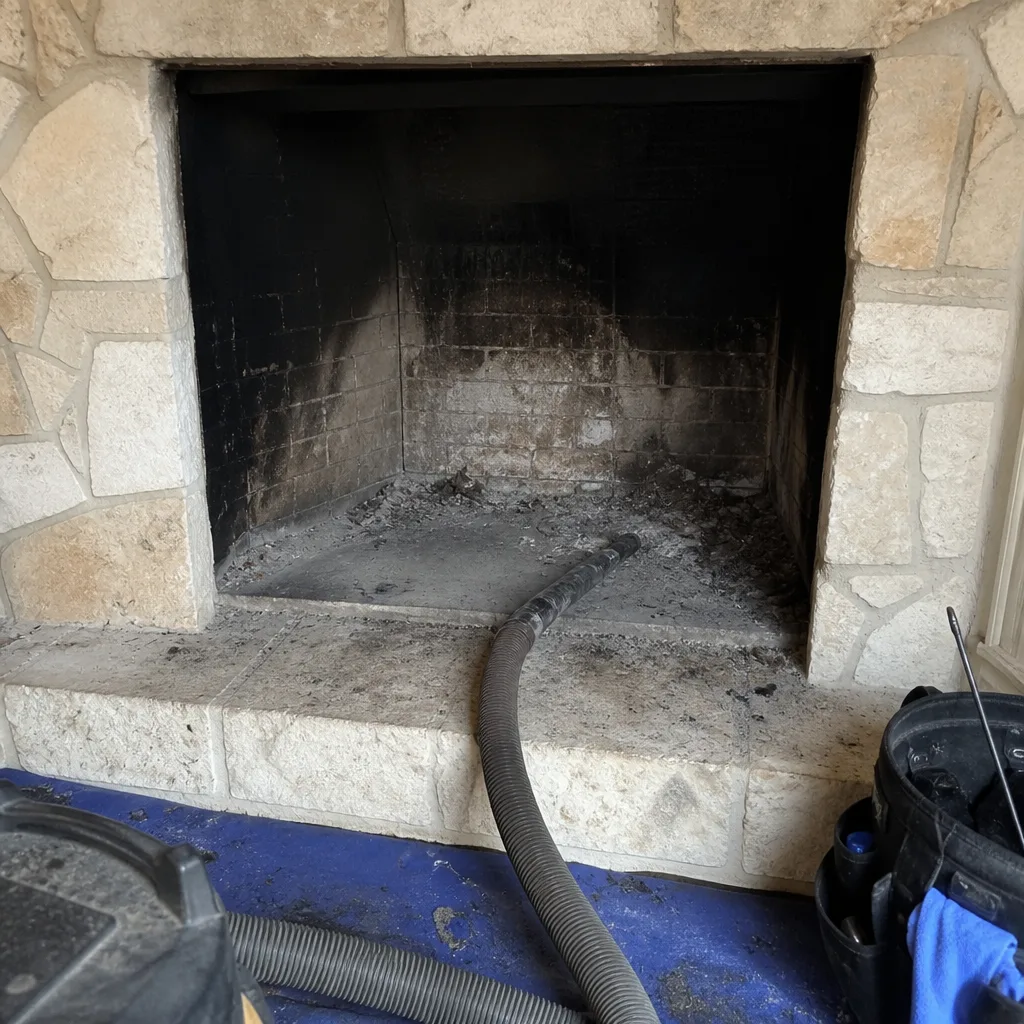 Before
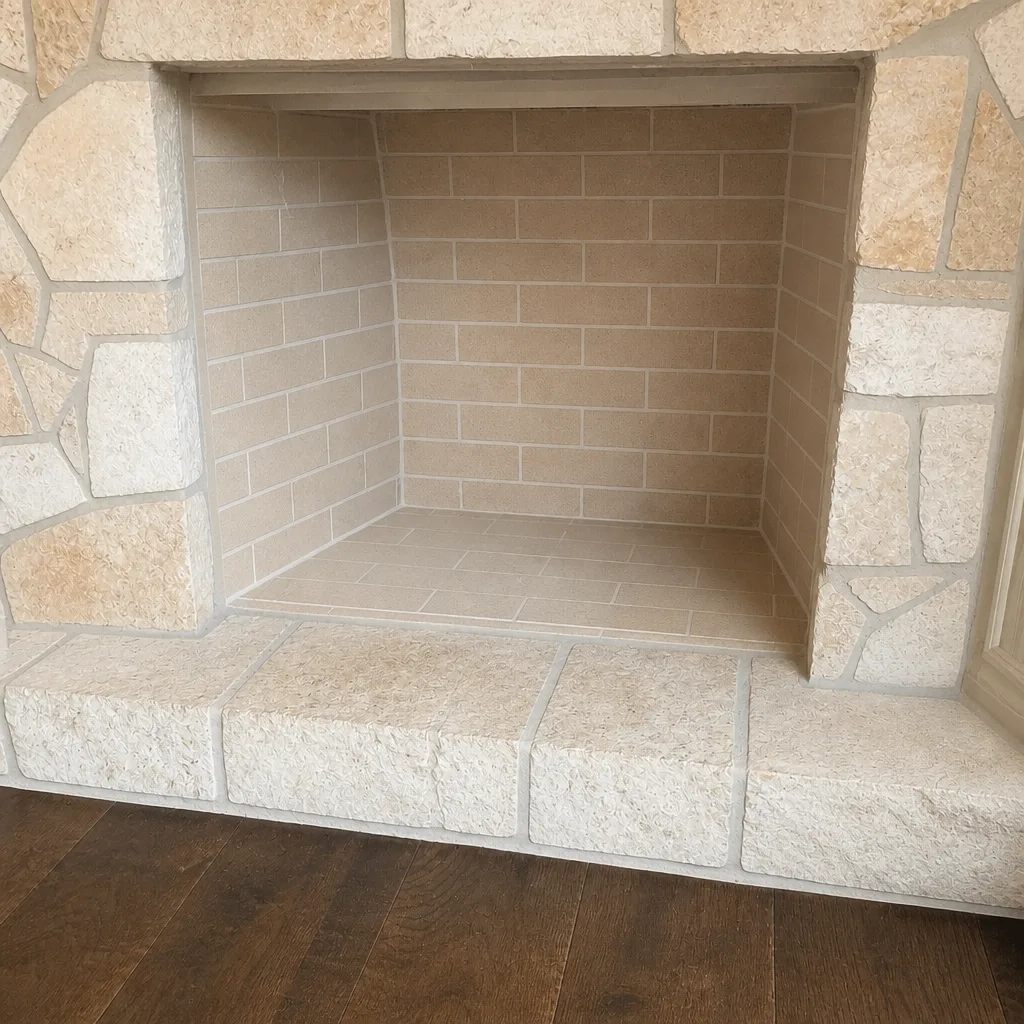 After
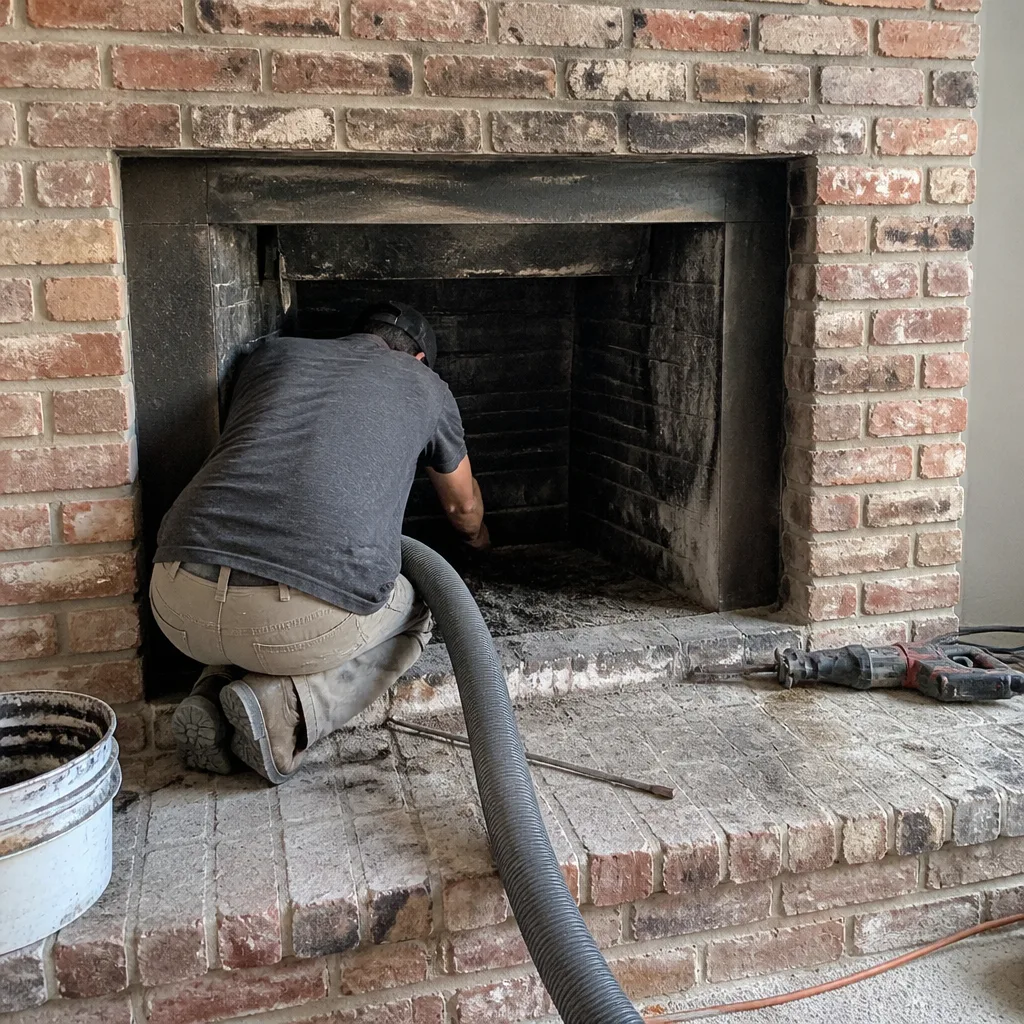 Before
 After
 Before
 After
When to Call a Professional
Call for help if you don’t have clear camera footage of your flue since last season, if you’ve had a suspected chimney fire, if smoke spills into the room when the fireplace is lit, if you smell a strong creosote or smoky smell at odd times of year, if you notice a damp patch or stain near the chimney or on the ceiling, if the cap or screen is damaged or missing, or if it’s simply been more than a season since a full inspection. Some of these point to a fire hazard and some point to water getting into the structure, and none of them should wait for spring. Lakewood Chimney Sweep Pros offers free estimates in Lakewood: call (888) 839-3160. We answer 24/7, and fast dispatch from 7am to 7pm, Sunday through Friday, gets a technician out. Our technicians have up to 12 years of experience, and the local professionals we connect you with are licensed and insured as the state requires.
Frequently Asked Questions
The safe general answer is at least once a year, with an inspection each year and a sweep whenever the inspection says it’s needed. In Lakewood, because burning tends to be intermittent through a mild winter, deposits can build unevenly, so the inspection is what sets the actual sweep interval. A heavy user may need it more often than a light user. Call (888) 839-3160 for an estimate.
Yes, and “hardly ever” is the reason, not an exemption. Intermittent burns create more frequent heat-and-cool cycles over the same residue, which tends to push creosote toward a harder stage. An inspection with camera footage is the only way to know what’s actually inside the flue. Call (888) 839-3160 to book one.
Heat and sun work on the crown, cap, and damper for months. Crown sealant dries and cracks, the cap takes direct UV and any hail, screens tear and attract nesting birds and wasps, and dampers can stiffen from disuse. A summer structural check catches each of these before the fall burning season. Call (888) 839-3160 if you’d like a summer visit scheduled.
Yes. Hail commonly dents or dislodges a chimney cap, tears the screen, and can crack the crown edge, and high wind can lift flashing at the roof joint, all without obvious signs from the driveway. The damage usually shows up later as water indoors. An exterior and roof-level inspection after storm season is how it gets caught early. Call (888) 839-3160 for help.
Skipping the yearly check lets two problems grow quietly: creosote accumulation, which raises chimney fire risk, and water intrusion from a cracked crown or lifted flashing, which damages the chimney structure over time. Neither is dramatic until it is. We answer 24/7, so call (888) 839-3160 with any concern.
Yes. A yearly sweep and inspection is normal maintenance, not a reaction to trouble, and it’s the routine that prevents the trouble in the first place. Most chimney fires are small and go unnoticed; an inspection is how you find out whether one has left damage. Call (888) 839-3160 to schedule.
The Bottom Line
Chimney care in Lakewood runs on a different clock than the national advice. Summer heat and humidity are a threat season, not a break, and intermittent burning in a mild winter can build harder creosote than steady use. Inspect in the fall with a camera, check the cap, crown, and damper through summer, assess moisture and sweep in early spring, and burn dry wood all season. None of it is complicated, and all of it is easier when the same specialist who inspects also repairs. Built to code, built to last, using products like DuraFlex and Famco where they belong: that’s the standard we work to.
If it’s been a season or more since your last full inspection, book one before the next window closes. Call (888) 839-3160 for a free estimate. We answer 24/7, with fast dispatch from 7am to 7pm, Sunday through Friday.
Written by the team at Lakewood Chimney Sweep Pros.