
Last updated November 25, 2026
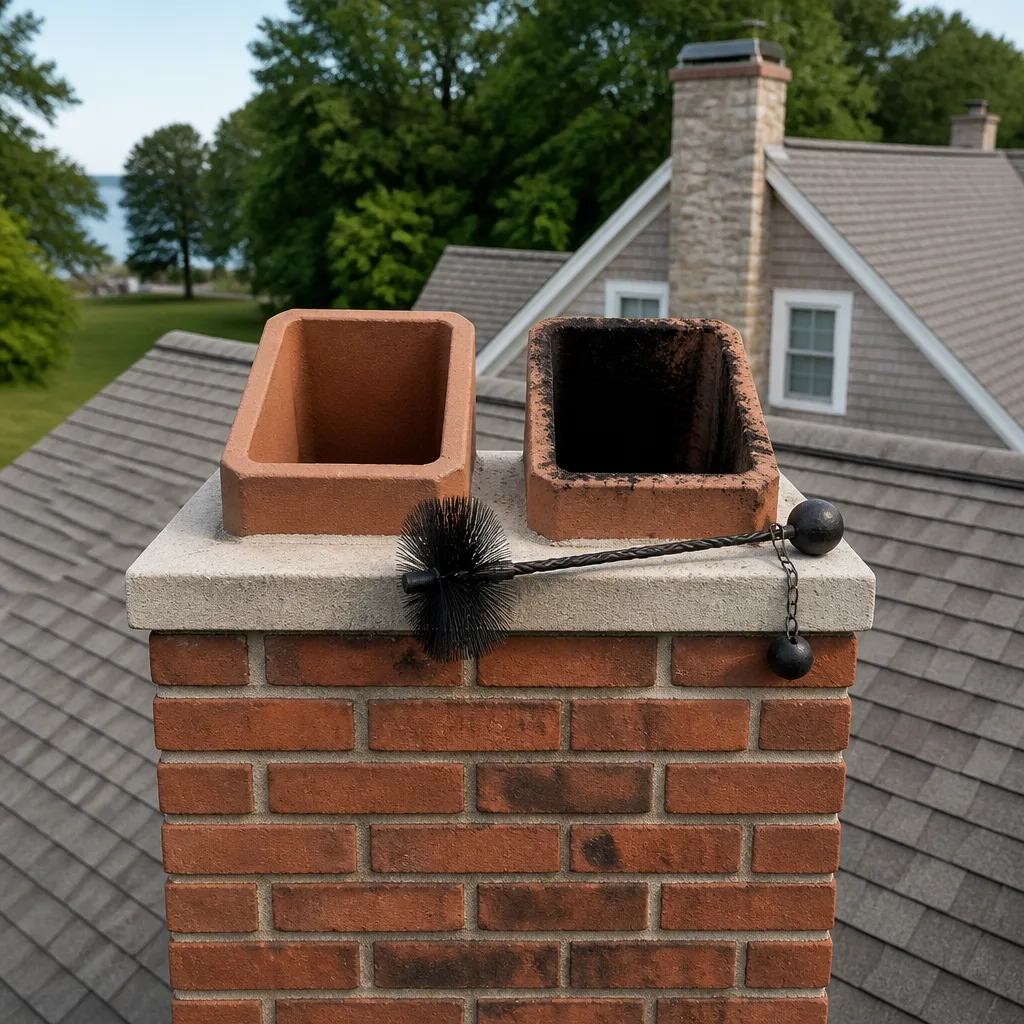 Sweep & inspection
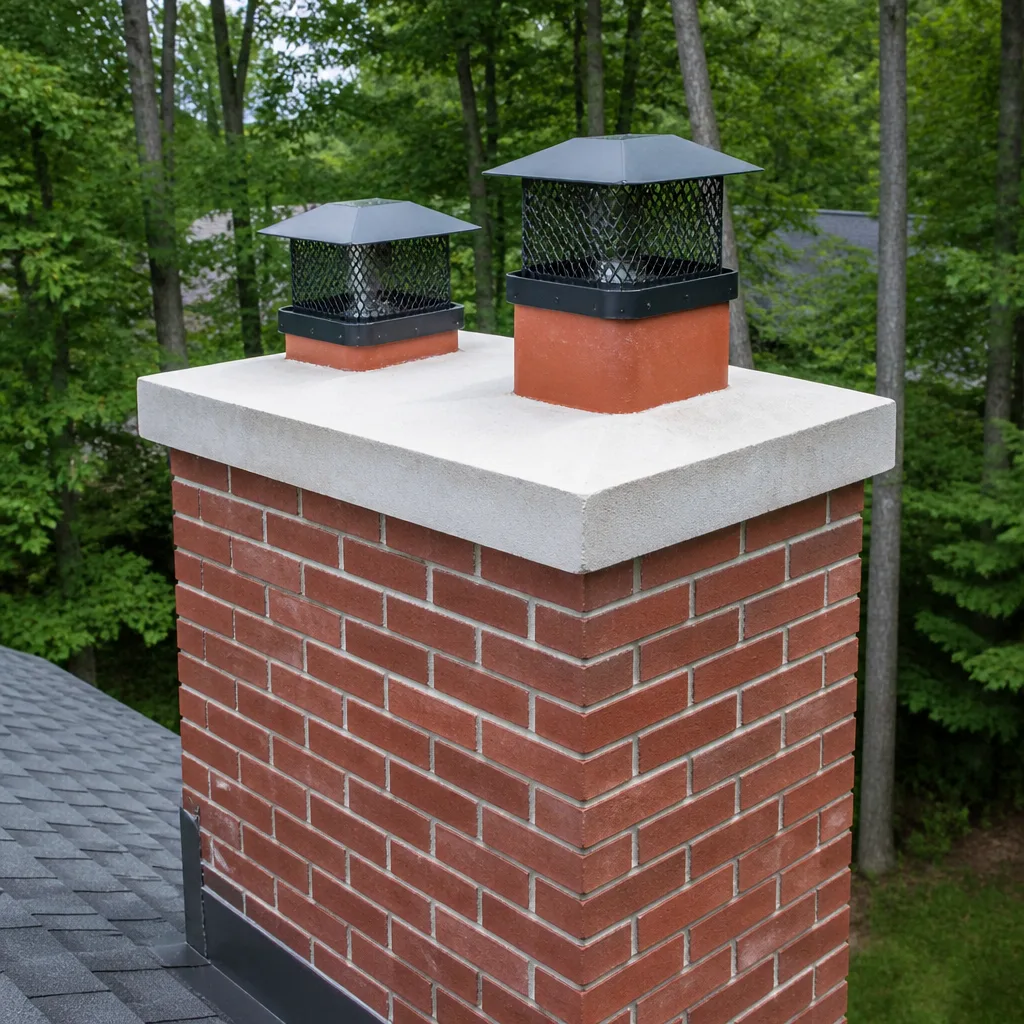 Caps & crowns
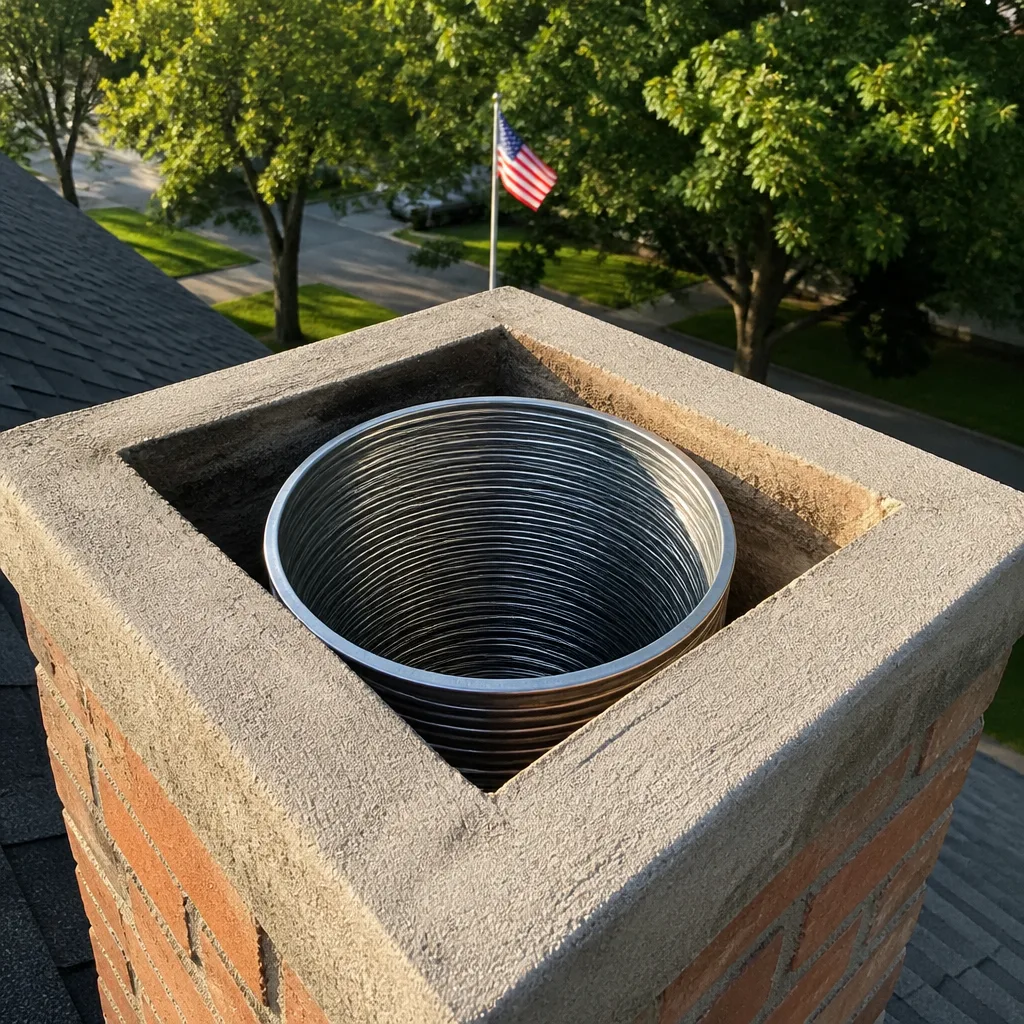 Flue relining
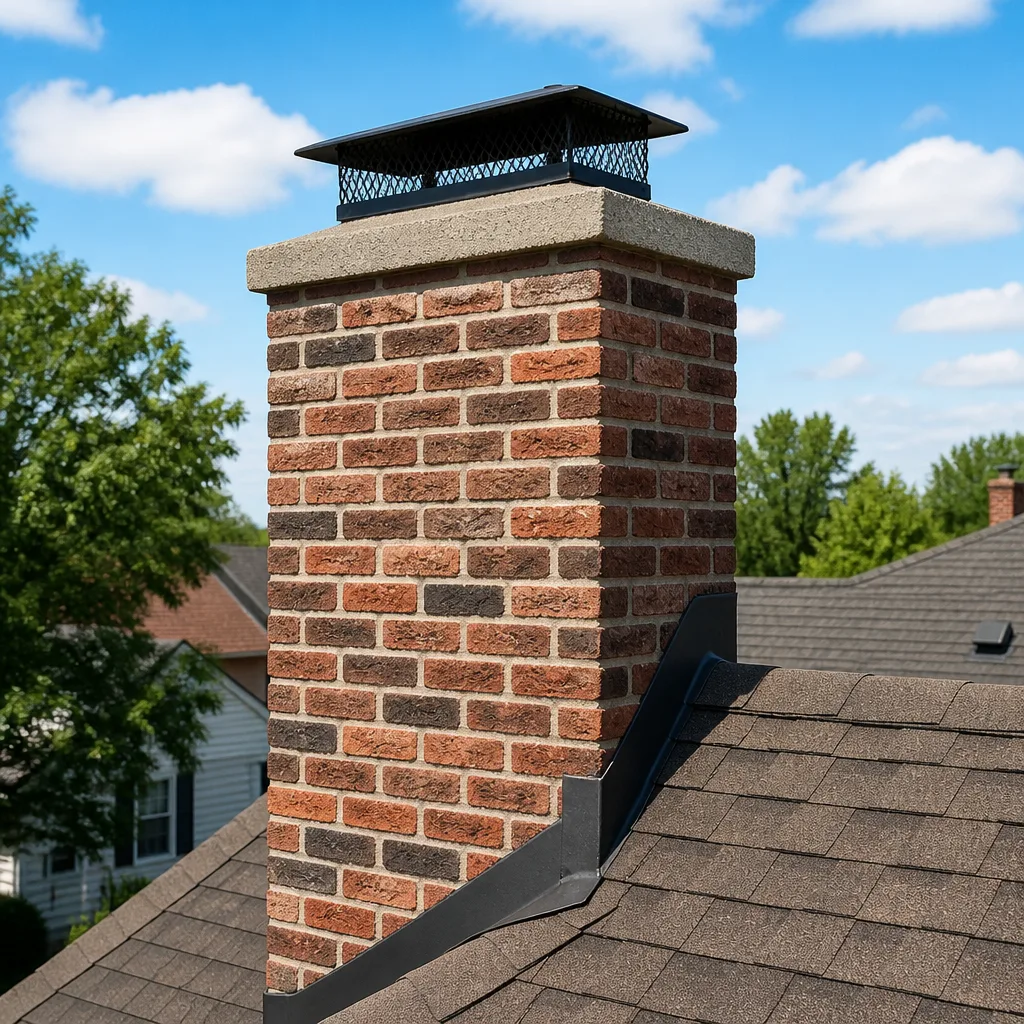 Masonry repair
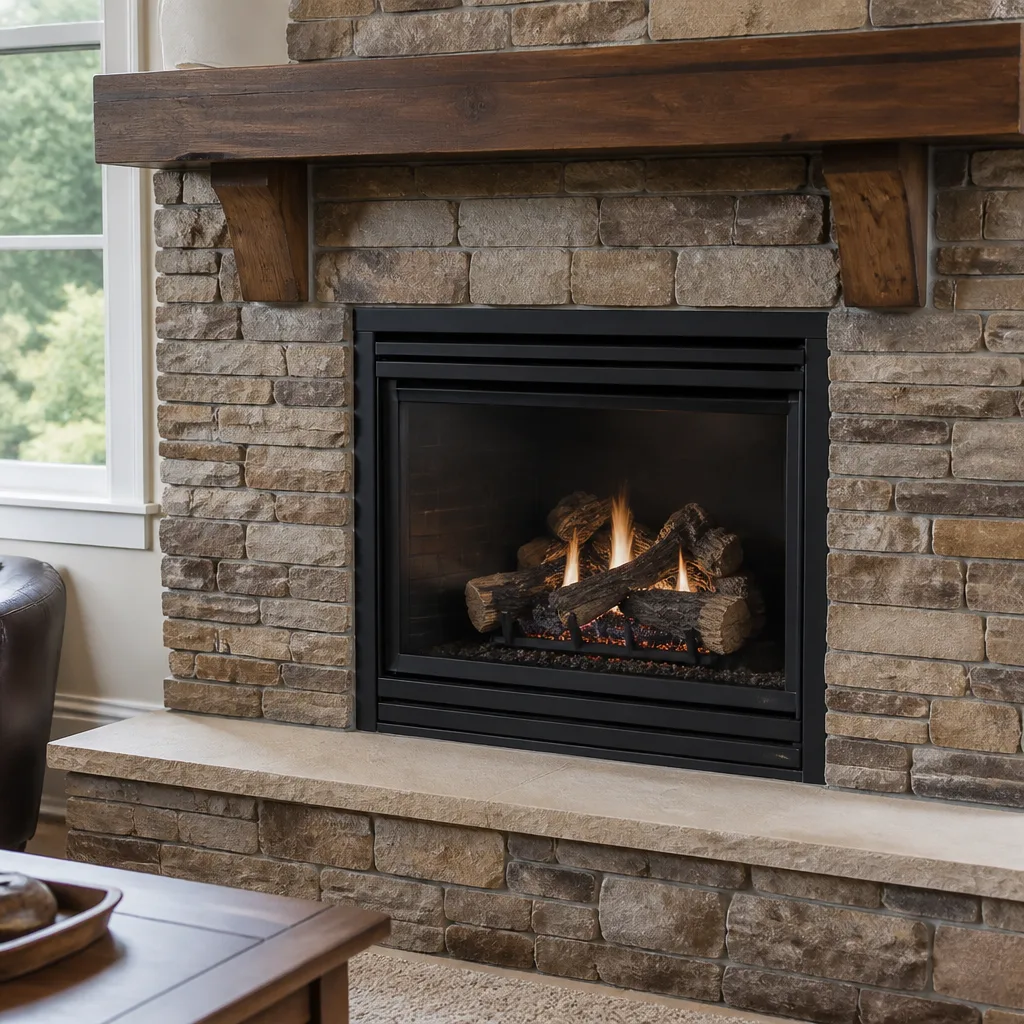 Gas fireplace service
Level 1 sweep and inspection to the NFPA 211 annual standard - flue, crown, cap, and flashing checked and photographed
Chimney sweep logs do not sweep chimneys. They loosen some creosote - which then falls where a brush and vacuum still have to collect it.
The Complete Guide to Chimney Cleaning in Lakewood
Most homeowners in Lakewood think of chimney cleaning as one task: someone shows up, runs a brush up the flue, and leaves. That framing misses what actually keeps a chimney safe. A chimney is a stack of connected layers, and each one fails in its own way. The firebox, the smoke chamber, the flue liner, the crown, and the cap all do separate jobs, and a sweep that only touches the flue leaves the rest of the system unexamined. This guide walks through every layer, explains which inspection level you actually need, and shows what a complete job looks like before anyone knocks on your door.
Quick Answer
Chimney cleaning in Lakewood, TX is the full-system check of your fireplace and venting, not just a flue brushing. A complete service includes a Level 1 inspection, a sweep of the firebox and flue, a look at the smoke chamber, crown, and cap, and a written report with photos. In Lakewood’s climate, most wood-burning chimneys need this once a year, even if you only light a handful of fires.
Styles & brands we work with
- Sweep & inspection
- Caps & crowns
- Flue relining
- Masonry repair
- Gas fireplace service
Table of Contents
- Why a Chimney Is a Layered System, Not One Pipe
- Level 1, 2, and 3 Inspections: Which One Do You Need?
- North Texas Factors That Change How Your Chimney Ages
- Professional-Grade Tools and Materials vs. Commodity Shortcuts
- What a Full-Service Chimney Cleaning Visit Looks Like, Step by Step
- What Chimney Cleaning Costs in Lakewood
- Caps and Crowns: The Layer Most Homeowners Skip
- How Often Should You Schedule a Sweep?
Why a Chimney Is a Layered System, Not One Pipe
When we open up a chimney in Lakewood, we’re looking at five distinct layers, and each one has a job. Creosote, water intrusion, and structural cracks show up differently at each level. Treating the chimney as a single pipe means the upper layers never get checked.
Here’s how the stack breaks down, from bottom to top:
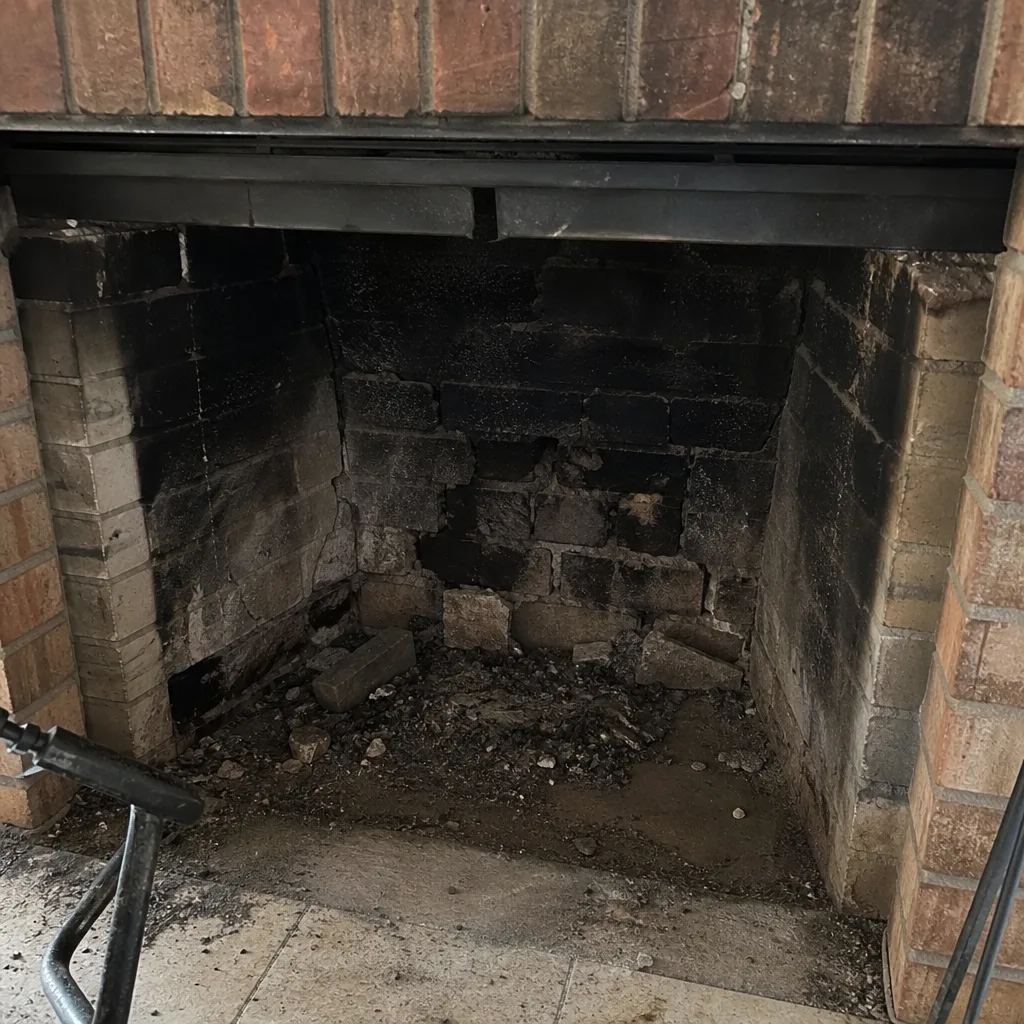
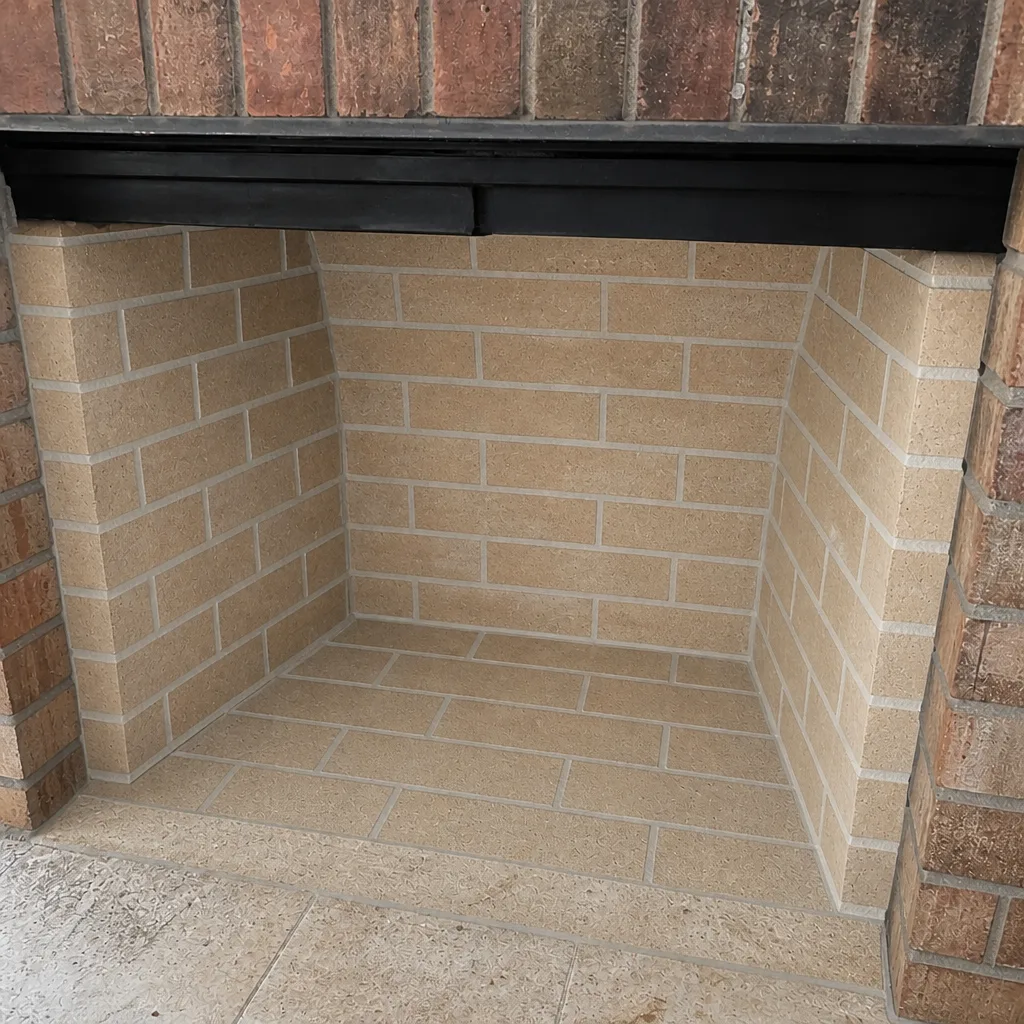
- Firebox: The firebox takes the direct heat and the daily beating. Brick spalling, cracked mortar joints, and deteriorated firebrick all start here. A sweep that skips the firebox misses the most heat-stressed part of the system.
- Smoke chamber: The sloped area above the damper where smoke slows down and turns. Its shape is supposed to guide smoke up and out. Rough or heavily glazed smoke chamber walls are a common cause of poor draft.
- Flue liner: The clay tile column or stainless liner that carries exhaust up and out. This is the layer most directly tied to fire safety, since it’s what separates combustion gases from the wood framing of your house.
- Crown: The concrete cap at the top of the masonry that sheds water away from the chimney body. A cracked crown lets water into the masonry, and once it’s in, it works its way down.
- Chimney cap: The hood over the flue opening that keeps rain, birds, and storm debris out. In North Texas, a missing or damaged cap also lets wind-driven rain reach the flue directly.
Each layer protects the ones below or above it. A strong crown with a cracked firebox still leaves you with a system that can admit smoke or heat where it shouldn’t. A clean flue under a missing cap is one storm away from water damage. That’s why a full sweep covers the whole stack, not just the flue. Our chimney sweep service is built around this layer-by-layer approach for exactly that reason.
What Each Layer Tells You
The firebox tells you how the chimney is actually used. Heavy soot there means frequent burning. The smoke chamber tells you how the chimney drafts. The flue liner tells you whether the system is sound or already compromised. The crown and cap tell you how well the chimney is weathering the year. Together they add up to a system health picture you can’t get from a flue brushing alone.
Level 1, 2, and 3 Inspections: Which One Do You Need?
The National Fire Protection Association sets three inspection levels under NFPA 211, and they’re not interchangeable. Level 1 is the standard annual inspection for a chimney in continued use with no changes to the system. Level 2 adds a video scan of the flue interior and is required when you’ve made a change to the system, like a new appliance, a reline, or a property sale. Level 3 is the most involved, and it happens when a problem is already suspected and access into walls or concealed areas is needed.
Here’s when each one fits a Lakewood homeowner:
- Level 1 covers a routine annual visit: firebox, flue, damper, crown, and cap, checked from accessible points with basic hand tools. If you’ve been in the house, burning wood the same way, and nothing has changed, this is what you need.
- Level 2 adds a camera inspection of the flue interior and typically a look at accessible parts of the venting. Ask for it if you’ve had a chimney fire, a new insert or appliance installed, a reline, or you’re buying or selling the home. It’s also what you want if you’ve had water entry, storm damage, or a change in how the chimney drafts.
- Level 3 is a diagnostic inspection when a Level 1 or 2 has already found a problem and someone needs to access concealed areas to confirm it. This is where the real repair conversation begins.
Most Lakewood homeowners get a Level 1 with their annual sweep and a Level 2 once a change has happened. If someone quotes you a “chimney inspection” without saying which level, that’s worth asking about directly. The levels aren’t marketing; they’re a scope agreement. Knowing which one you’re getting tells you what was actually looked at.
A Quick Note on What “Inspection” Means on a Quote
A Level 1 inspection is included in a standard sweep. A Level 2 with a camera scan is a bigger job and takes more time. If you’re unsure which you need, describe your situation when you call: what you burn, whether anything has changed, and whether you’ve had a chimney fire. That’s usually enough to sort it out.
North Texas Factors That Change How Your Chimney Ages
Lakewood’s climate is mild, but it’s not gentle on chimneys. Two things matter most here: the long summer heat and the way many households actually use their fireplaces.
Clay liner expansion in summer heat. A masonry chimney with clay flue tiles goes through a lot of thermal expansion across the year. When the tiles expand and contract against each other, the mortar joints between them can crack. Those cracks let creosote and heat reach places the flue is supposed to protect. It’s one of the more common findings in older Lakewood masonry chimneys, and it’s why a Level 2 camera scan is worth doing when the chimney is original to the house.
Light use still produces creosote. A Lakewood fireplace might be used on a few cold nights a year, or mostly around the holidays. Light use doesn’t mean clean use. In fact, short, cool, and infrequent fires produce more creosote than a hot, well-fed fire does, because the smoke is cooler and doesn’t clear the chimney efficiently. Cooler smoke condenses on the flue walls. That’s why we recommend an annual sweep even for a fireplace that only runs a handful of times a year.
Storm debris in caps. North Texas storms bring rain and wind, and they knock branches, leaves, and grit into chimney caps. A cap that’s lost a screen or a corner of mesh becomes an open door for birds and debris. Debris in the cap doesn’t just foul the flue; it blocks the draft and forces smoke back into the room.
None of these are dramatic problems on their own. Stacked together, they’re the reason a Lakewood chimney needs annual attention, even in a mild climate with minimal burning.
Professional-Grade Tools and Materials vs. Commodity Shortcuts
You can’t tell from a quote how much care will go into a chimney. You can tell from what tools and materials are on it. The difference between a specialist provider and a quick job shows up in what they bring and what they install.
On the tools side, a proper sweep uses rotary brushes sized to the flue, not just a hand brush. That distinction matters because a properly sized rotary brush cleans the full circumference of the flue wall evenly, while an undersized brush skips areas. A camera for Level 2 inspection and a drop cloth and vacuum setup are also part of a professional visit. If a crew arrives without a vacuum system, expect dust across the room.
On the materials side, chimney repairs rely on a small set of professional products. HeatShield is a resurfacing material used to restore a flue interior without a full reline; it’s a capability most sweep-only providers don’t offer, and it addresses fire safety at the flue level. DuraFlex stainless liners are used when a liner needs replacement. Gelco and Copperfield make chimney components, caps, and related parts. The gap between these and off-brand substitutes is durability, fit, and compatibility with your chimney’s dimensions.
When you’re reading a quote, look for these signs of a real specialist:
- Named professional materials in the quote, not just “a new liner.”
- Camera inspection as part of the inspection scope, not as an upsell after the fact.
- A written report with photos you can see before any repair is recommended.
- Specifics on what will be done and why, with the layer of the chimney named.
- No vague language about “checking it all out” – the layers are named in the proposal.
Our company works with professional chimney industry brands: DuraFlex, HeatShield, Gelco, Olympia Chimney, Famco, and Copperfield. We don’t substitute commodity parts, and we don’t rely on a name alone. The quote should tell you what’s being installed, at which layer, and why.
What a Full-Service Chimney Cleaning Visit Looks Like, Step by Step
A complete visit in Lakewood runs a few hours, and it has a predictable sequence. Here’s what the process should look like, whether it’s a routine annual sweep or a first visit in a home with an unknown chimney history.
- Intake and walkthrough. The technician asks what you burn, how often, and whether anything has changed since the last service. This sets the inspection level and flags anything to look at closely.
- Lay down protection. Drop cloths and a vacuum system go in before any tool comes out. This protects the room and keeps dust out of the living space.
- Level 1 inspection. The technician checks the firebox, damper, smoke chamber, flue, crown, and cap from accessible points. Anything unusual gets noted for the report.
- Sweep the firebox and flue. Rotary brushes sized to the flue clear creosote and soot from the walls, and the firebox gets swept down. Creosote is measured against the standard stages, and the report reflects what was found, not an estimate.
- Level 2 camera scan when needed. If the chimney has had a change, a prior fire, or visible damage, the flue interior gets a camera scan. This is where hidden cracks and gaps show up.
- Roof-level check. The crown and cap get inspected from the roof. Our technicians have up to 12 years of experience, and the roofline assessment is part of the job, not a drive-by look.
- Written report and photos. You get a written report with images of what was found, at each layer, in plain terms. Repairs are recommended with evidence, and anything that can wait is stated clearly.
- Estimate for any repair. If something needs repair, the estimate is written, and it’s set per job. If nothing needs doing, we say so.
The key takeaway: you should see evidence before you see a price. A camera inspection and a photo report are part of the visit, which means the findings can be verified by anyone looking at the report, not taken on trust.
What Chimney Cleaning Costs in Lakewood
Chimney cleaning in Lakewood typically runs $180 to $350 for a standard sweep with a Level 1 inspection. A Level 2 inspection with a camera scan often adds $75 to $150 to the visit, depending on the chimney’s configuration and access. These are typical ranges for Lakewood and the surrounding neighborhoods, and the written estimate sets the final price.
A few line items, in typical ranges:
- Standard sweep with Level 1 inspection: $180 to $350.
- Level 2 camera inspection add-on: $75 to $150.
- Chimney cap installation: $200 to $500, depending on the cap and fit.
- Crown repair or rebuild: $400 to $1,200, depending on extent.
- Flue resurfacing with HeatShield: quoted per job after inspection.
- Stainless liner replacement (DuraFlex): quoted per job after a camera scan.
Pricing is always tied to the inspection. Nothing is recommended without camera evidence you can see for yourself. If the report shows a problem in the flue, you can look at the images and ask questions before any work is booked. That’s the standard we work to: flat-price sweep agreed before booking, camera inspection and photo report included, and a satisfaction guarantee on the service.
Call (888) 839-3160 for an exact quote on cleaning in Lakewood. Estimates are free, and the estimate covers the visit, not just the flue.
Caps and Crowns: The Layer Most Homeowners Skip
If a chimney has one layer that’s most often deferred, it’s the crown and cap. That’s also where water damage and draft problems usually start. A chimney with a perfectly clean flue and a cracked crown isn’t a safe chimney; it’s a dry one that’s about to stop being dry.
The crown is the concrete surface at the top of a masonry chimney. It sheds water away from the chimney body. When it cracks, water tracks into the masonry and works its way down through the layers. That damage doesn’t announce itself; it shows up later, in spalling brick and loose mortar. A repair or rebuild of the crown is a preventive job, and it’s far less expensive than repairing the masonry damage that comes after.
The chimney cap is the hood over the flue opening. It keeps rain, birds, and storm debris out of the flue. In Lakewood, caps take a beating from summer storms. A damaged cap shows up quickly in the form of debris in the flue and poor drafting. Our chimney cap & crown work is a dedicated service, not an afterthought to a sweep, which means it gets assessed and repaired with the same attention as the flue. Single-specialist accountability matters here: the same company that finds a cap or crown problem can quote and repair it, without a handoff to a second contractor.
When we assess a chimney in Lakewood, we look at the crown and cap as part of the system, not as optional extras. That’s the preventive mindset: protect the layers, then clean them.
How Often Should You Schedule a Sweep?
Most Lakewood homeowners should schedule a sweep every year, even with light fireplace use. The main exception is a chimney that’s no longer in use at all. If you burn wood, the creosote builds regardless of how often, and North Texas light-use patterns amp up the creosote rather than reduce it.
A practical schedule in Lakewood tends to look like this:
- Annual sweep and Level 1 inspection: the baseline for any wood-burning fireplace, even if it runs a handful of times a year.
- Level 2 camera scan: once, when you take ownership of a home, and again whenever the system changes.
- Crown and cap check: every year, with repair when found. That’s the layer that protects everything else.
- After a storm, or a chimney fire (even a small one): a Level 2 inspection, since heat and debris can crack liners that look fine from the firebox.
- Front-to-back inspection before selling a home: a Level 2 report is worth having in hand.
If you’re unsure whether your fireplace is due, a simple check of how much you burned last season and whether anything changed in the system is usually enough to make the call.
Common Mistakes to Avoid
- Skipping the annual sweep because you barely burn. Light use produces more creosote than a hot fire does. A chimney that only runs around the holidays still accumulates creosote on the flue walls, and a chimney fire doesn’t need a heavy burning season to start.
- Treating a “sweep” as the whole visit. A brush in the flue without checking the firebox, crown, and cap leaves most of the system unexamined. Ask which layers are covered in the visit.
- Booking an “inspection” without asking which level. A Level 1 and a Level 2 are different scopes with different time and cost. Ask which one you’re getting and why.
- Waiting on a cracked crown. A crown crack looks like a small thing from the ground. Water migration into the masonry is what turns a small repair into a structural one.
- Accepting a repair quote without photos. If no camera inspection and no photo report comes with the recommendation, ask for them. Nothing should be recommended without camera evidence you can see.
- Hiring a generalist because the price looks lower. A handyman or an HVAC company treating the chimney as a side job will miss by layer. Chimney work has its own system logic, and the quote should reflect it.
- Ignoring debris in the cap after a storm. A cap that’s lost part of its mesh will let birds and debris into the flue, and that shows up at the next fire as poor draft.
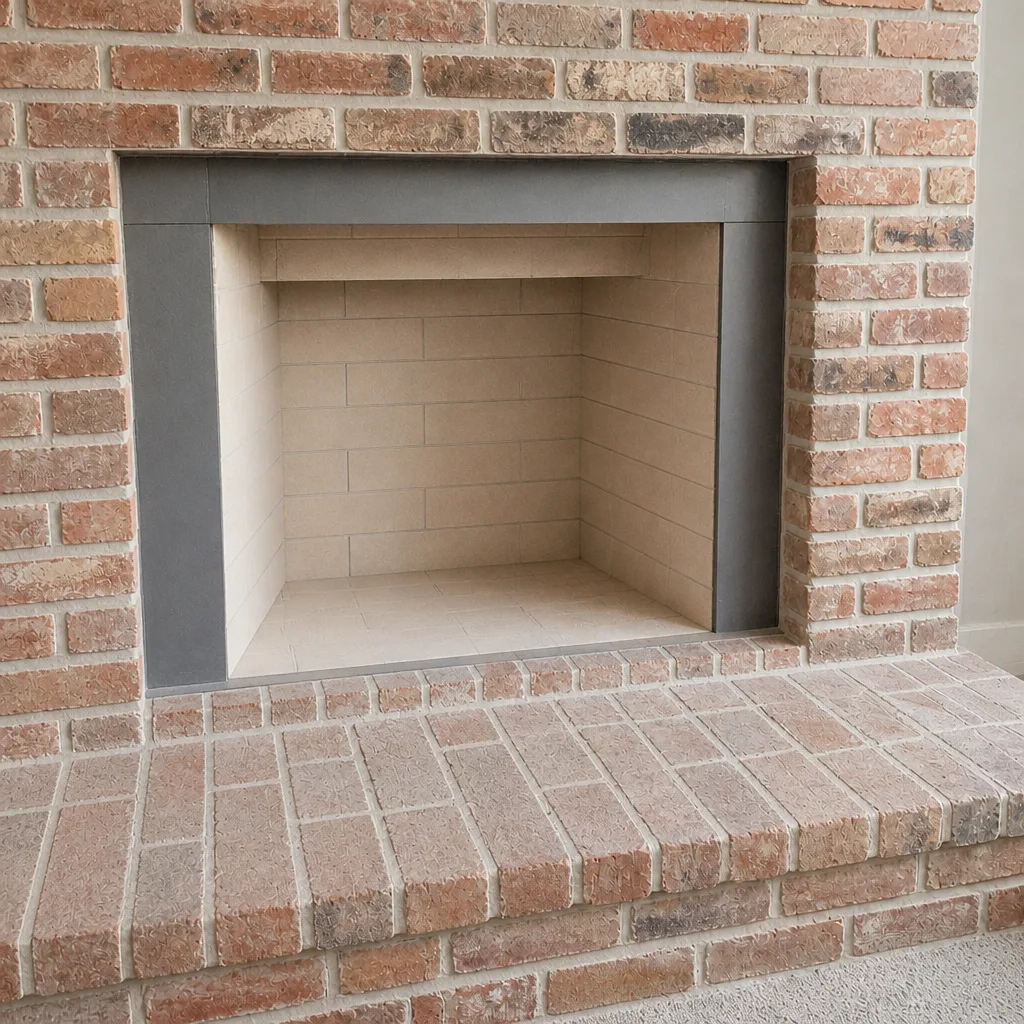
See the difference
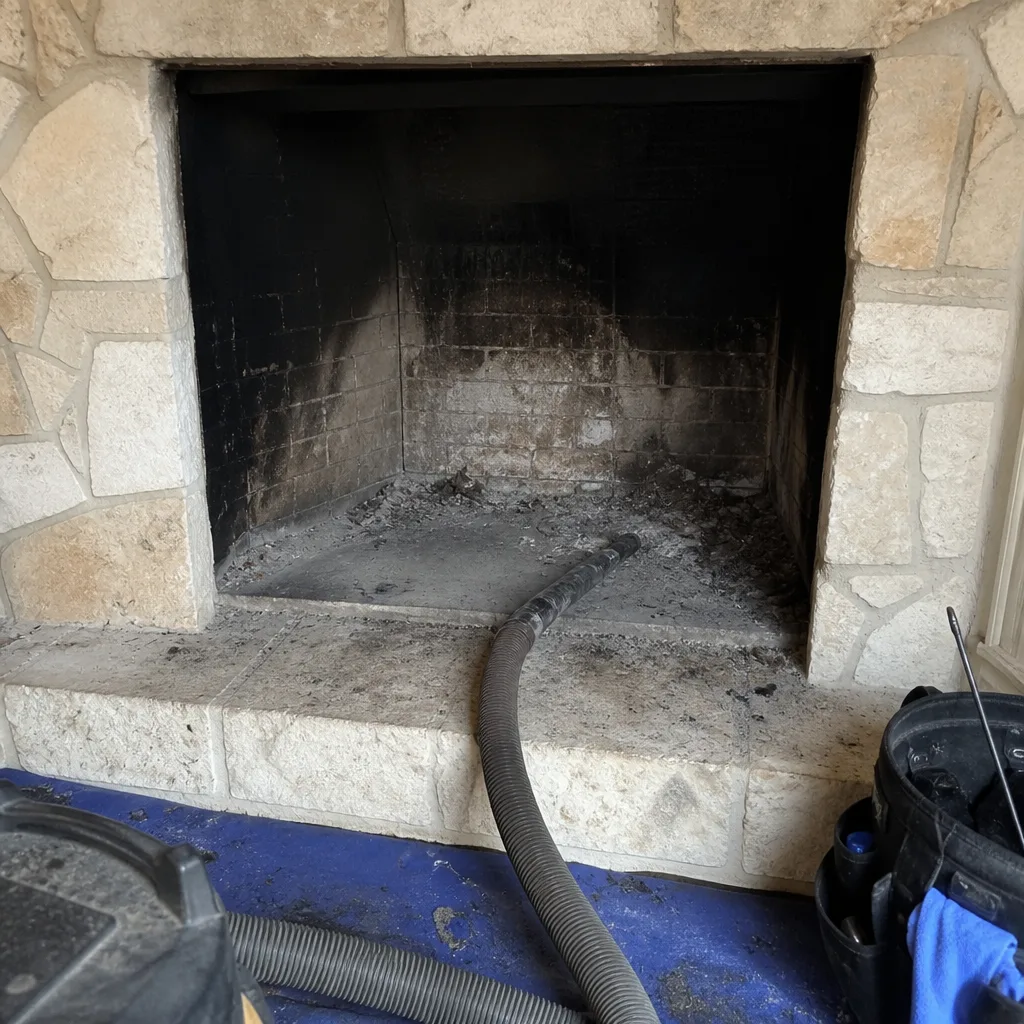 Before
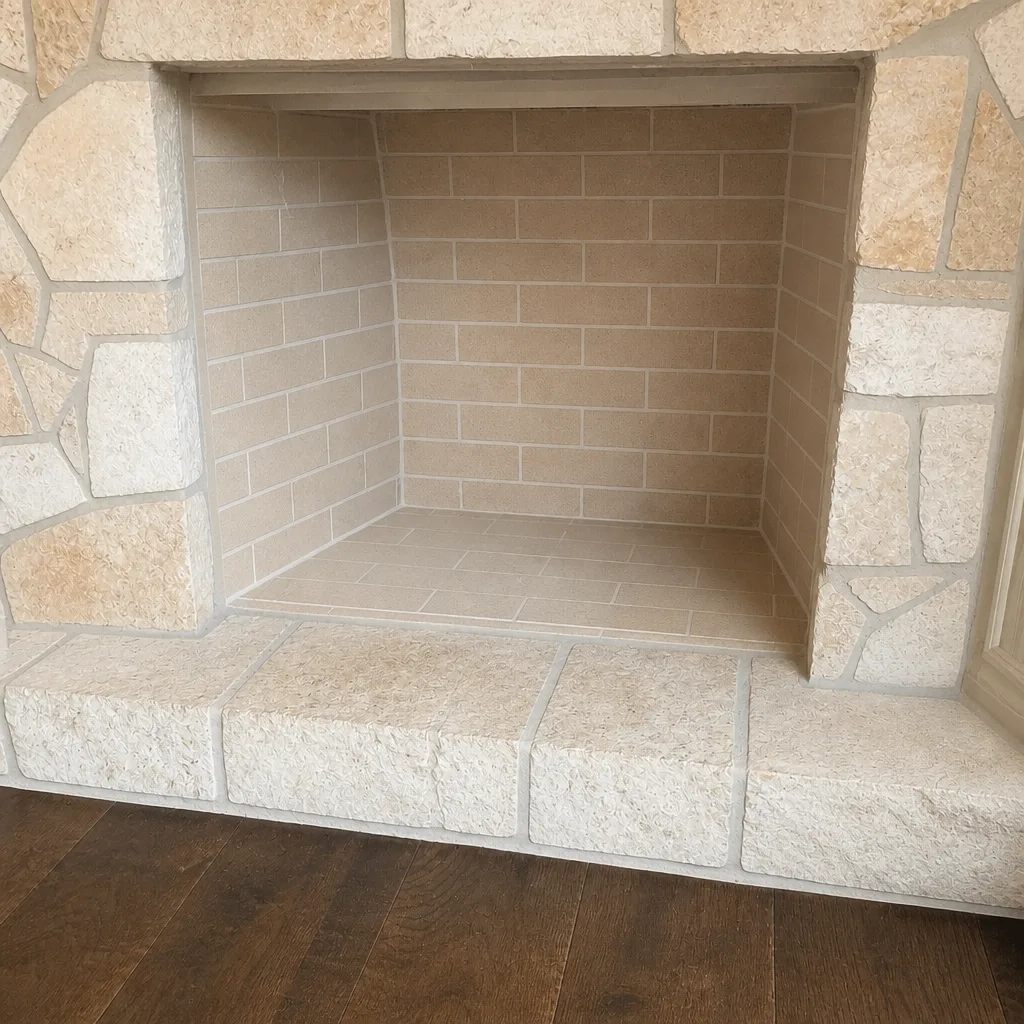 After
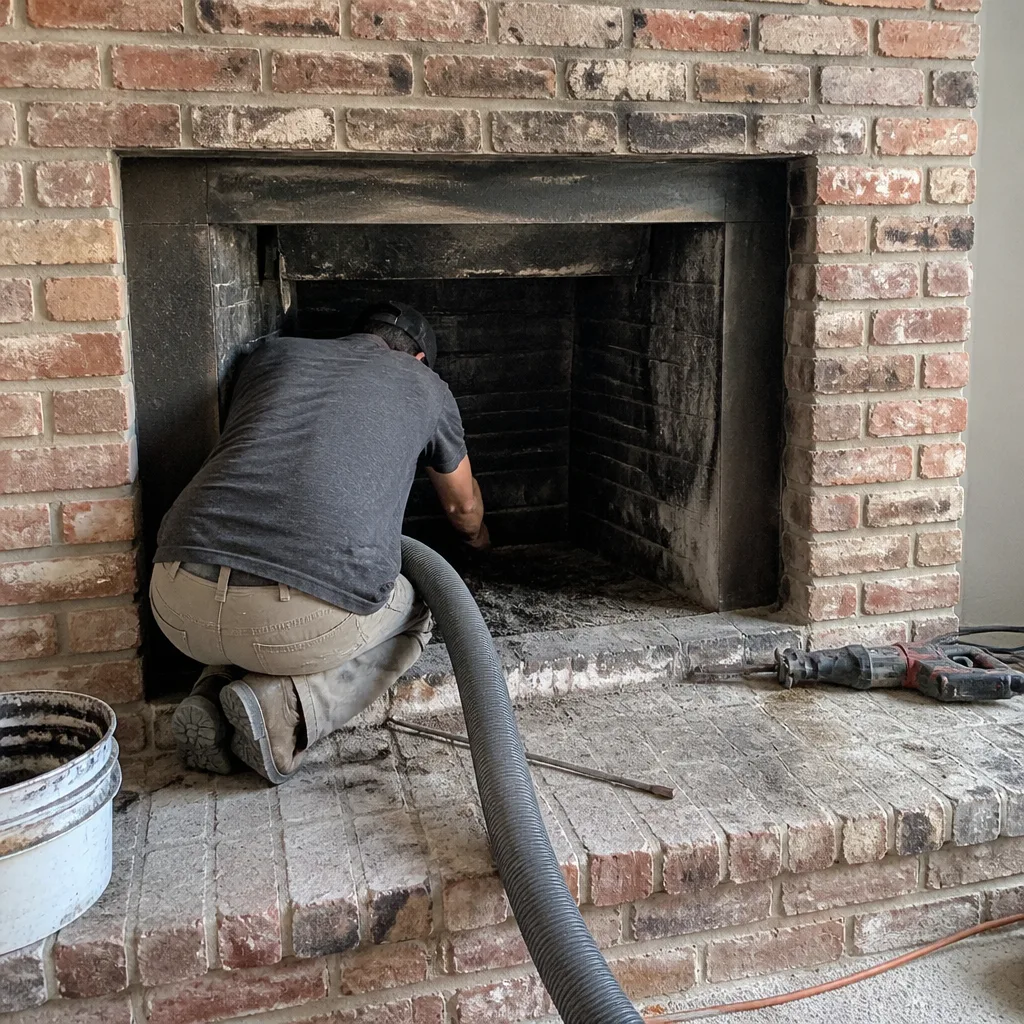 Before
 After
 Before
 After
When to Call a Professional
Call a chimney professional when you’re due for the annual sweep, when the system has changed, or when something feels off. Specific reasons in Lakewood include: any chimney fire, even a small one, since even a brief fire can crack a clay liner; smoke rolling into the room instead of going up; persistent odors from the fireplace between uses; a chimney that’s never been inspected since you bought the home; visible damage to the cap or crown; and any change to the firebox, insert, or venting. If you’ve had water inside the firebox or noticed loose brick or mortar near the top, that’s a Level 2 reason. Lakewood Chimney Sweep Pros offers free estimates in Lakewood. Call (888) 839-3160. We answer 24/7, with fast dispatch from 7am to 7pm, Sunday through Friday.
Frequently Asked Questions
A standard chimney cleaning in Lakewood typically costs $180 to $350, including a Level 1 inspection and a written report. A Level 2 camera inspection usually adds $75 to $150. The written estimate sets the final price, and it’s free. Call (888) 839-3160 for an exact quote.
Only if a camera inspection of the flue shows the liner is cracked, deteriorated, or otherwise failing. Many chimneys that get quoted a new liner can instead be restored with HeatShield resurfacing, which addresses cracks at the flue level without a full reline. If the flue passes the camera scan, you don’t need a liner at all. See the images before you decide, and call (888) 839-3160 for an exact quote.
Once a year for any wood-burning fireplace, even with light use. North Texas light-burning patterns produce cooler smoke and more creosote, not less. A gas fireplace is typically checked less often, but it still needs an annual inspection for venting and the cap. Call (888) 839-3160 for an exact quote.
Creosote keeps building on the flue walls, and at certain stages it can ignite. A small crack in a clay liner also stays invisible until it fails under heat. In Lakewood’s storm season, an unmaintained cap becomes a path for water and debris. None of these show up as an emergency; they show up as a bigger repair later. Call (888) 839-3160 for an exact quote.
Yes, same-day service is often possible, and the fastest way to find out is to call. We answer 24/7, and fast dispatch runs from 7am to 7pm, Sunday through Friday. Our technicians have up to 12 years of experience, and the inspection and photo report are part of the visit. Call (888) 839-3160.
HeatShield is a professional resurfacing material used to restore a damaged clay flue interior without installing a full stainless liner. It’s useful when the flue has cracks or gaps that a camera inspection uncovers. Whether you need it depends on what the scan shows at the flue layer. Ask for the photos, then decide. Call (888) 839-3160 for an exact quote.
The Bottom Line
Chimney cleaning in Lakewood is a full-system check, layer by layer: firebox, smoke chamber, flue liner, crown, and cap. The homeowner’s most useful habit is knowing which inspection level you’ve booked, and asking for the photos before approving any repair. A standard annual sweep with a Level 1 inspection, a Level 2 camera scan when the system has changed, and a real look at the crown and cap each year cover the whole stack. The sweep, inspection, cap and crown, fireplace repair, and fireplace repair work all belong in the same conversation. Lakewood Chimney Sweep Pros handles the whole system under one provider, and the free estimate covers the visit, not just the flue. Call (888) 839-3160. We answer 24/7, and fast dispatch runs from 7am to 7pm, Sunday through Friday.
If you’re starting anywhere, start with the Lakewood Chimney Sweep Pros overview of services, then call for a visit. The chimney sweep and chimney cap & crown work together as the foundation, and fireplace repair covers the firebox where the heat lands.
Written by the team at Lakewood Chimney Sweep Pros.