
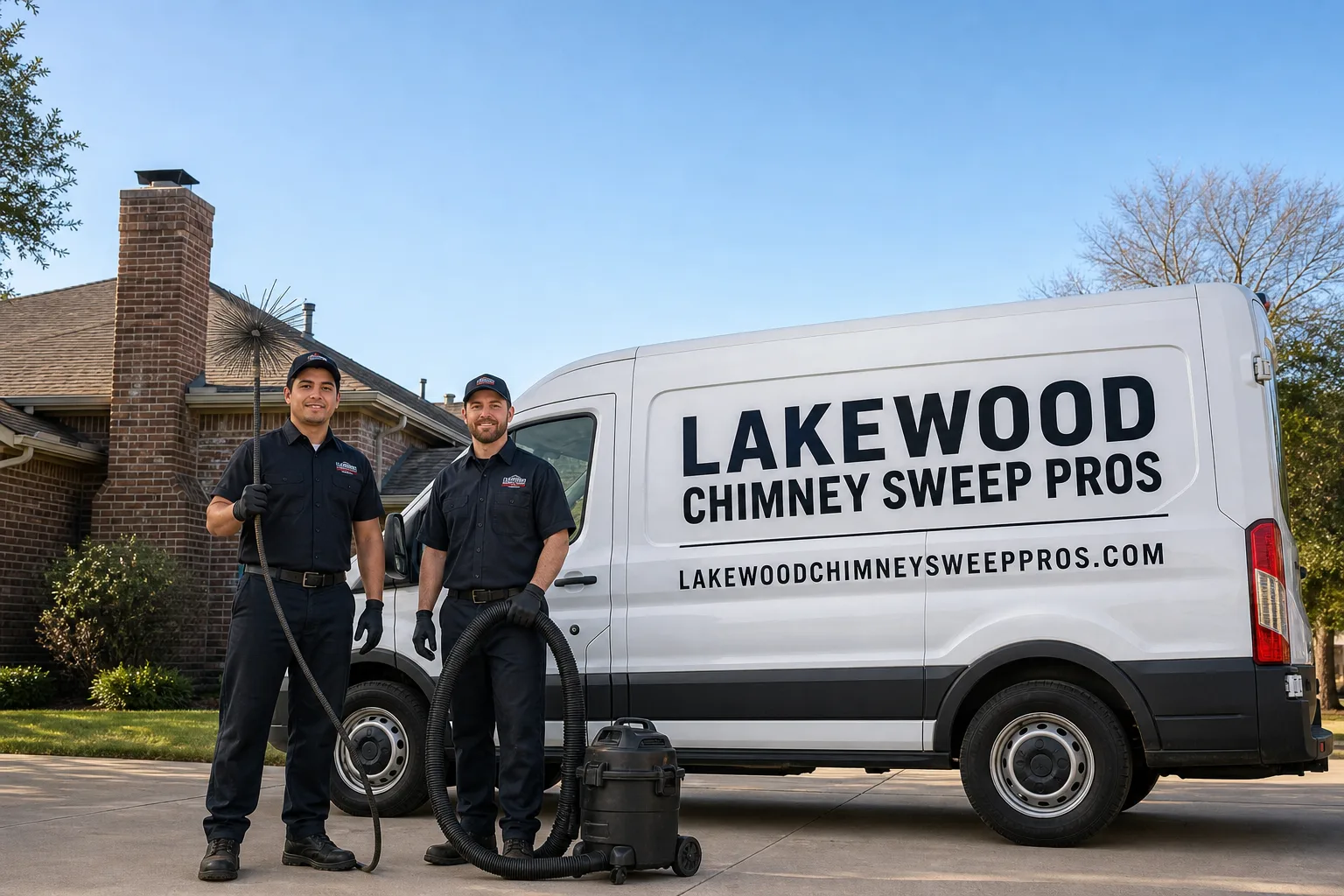
 Sweep & inspection
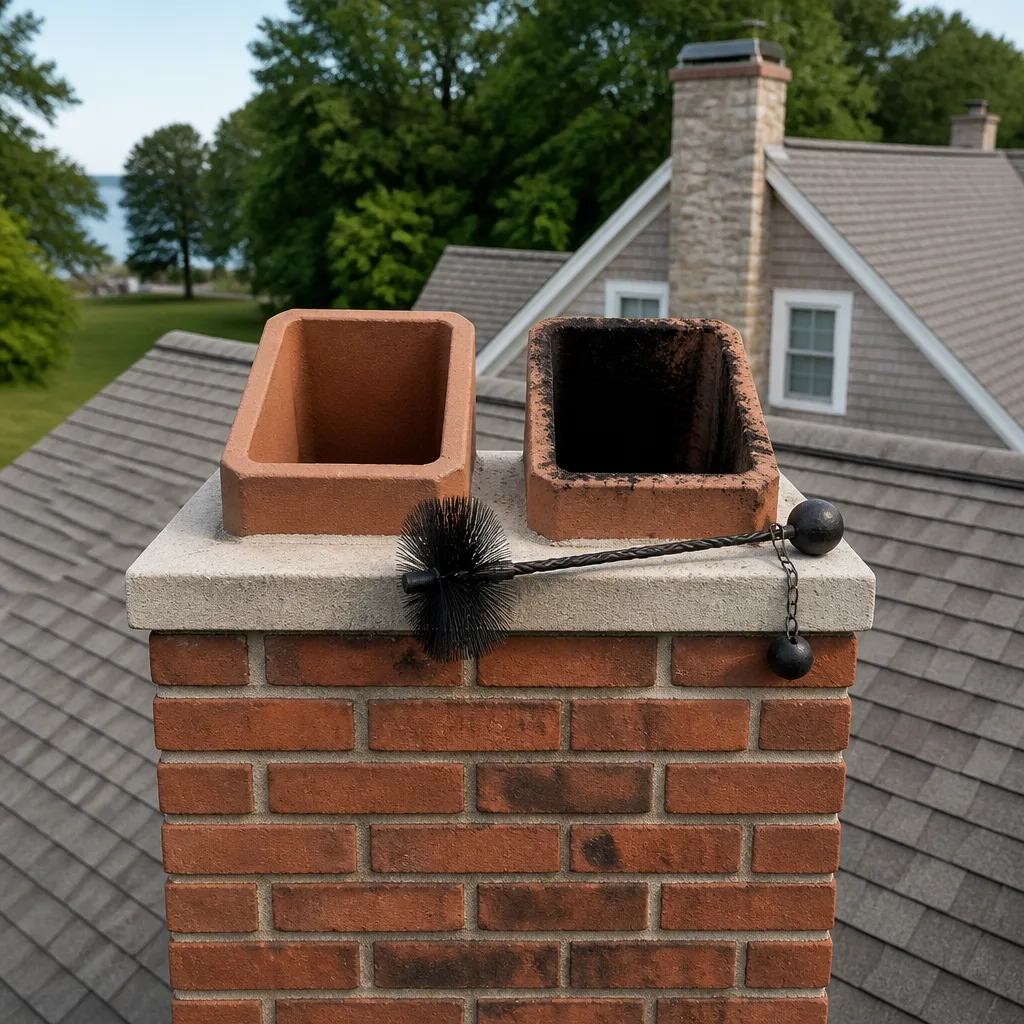
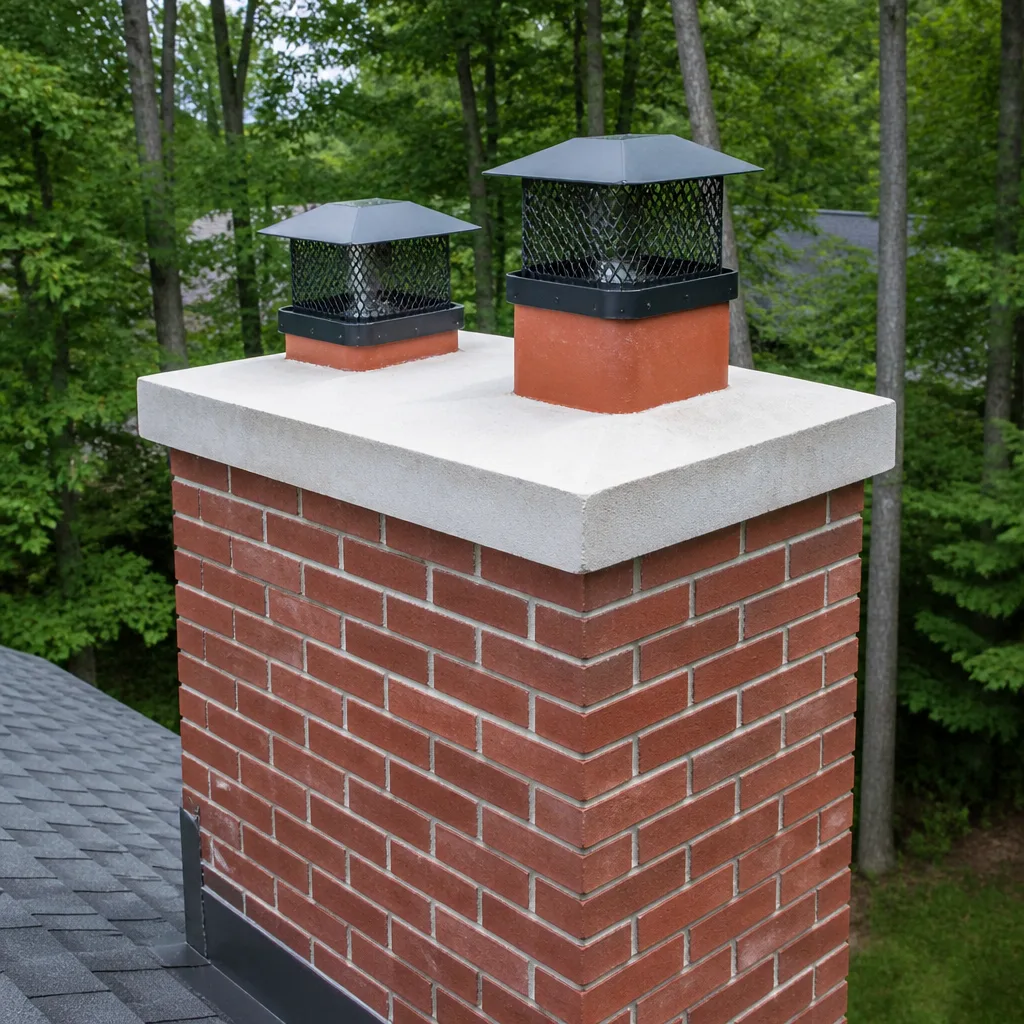 Caps & crowns
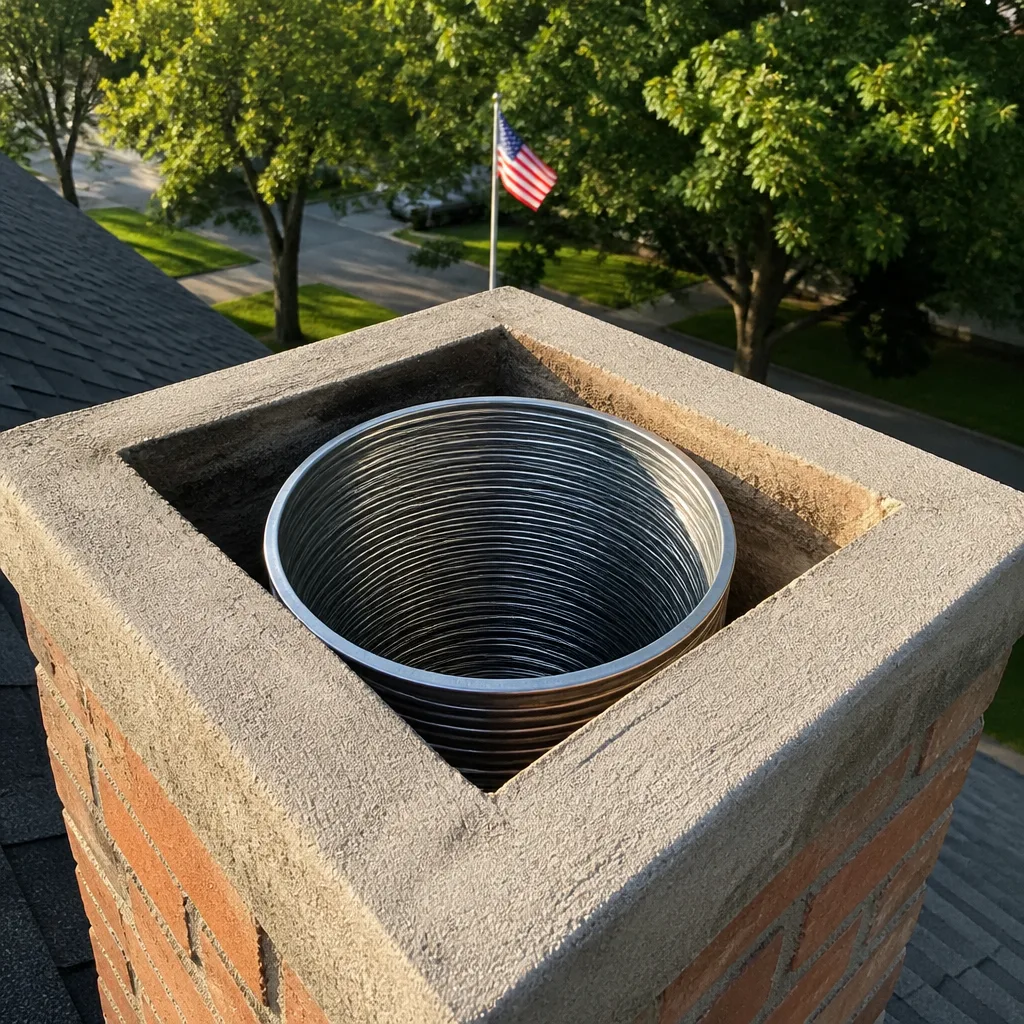 Flue relining
 Masonry repair
 Gas fireplace service
Level 1 sweep and inspection to the NFPA 211 annual standard - flue, crown, cap, and flashing checked and photographed
Chimney sweep logs do not sweep chimneys. They loosen some creosote - which then falls where a brush and vacuum still have to collect it.
Trusted Chimney Inspection for Lakewood Homeowners
A chimney can look fine from the living room and still be hiding a cracked flue tile, a failed liner joint, or a crown that’s letting water into the masonry. You can’t see any of that from the hearth, and that’s exactly the problem. Our chimney inspection in Lakewood is built to find those problems before they become a fire risk or a repair bill, using camera equipment and a documented photo report you can review yourself. Our technicians have up to 12 years of experience, and every inspection is done by a chimney-only specialist, not a handyman squeezing it between other jobs. If you’ve noticed a smell, a draft, or staining on the brick, call (888) 839-3160 and we’ll get an inspection on the schedule. We answer 24/7, with fast dispatch from 7am to 7pm, Sunday through Friday.
What Our Chimney Inspection Service Includes
Not every chimney problem needs the same level of scrutiny, which is why we offer six distinct inspection types. Here’s what each one covers and when it’s the right call for your Lakewood home.
Level 1 Inspection
A Level 1 inspection is the basic visual check of all readily accessible parts of your chimney and venting system, with no tools that require opening anything up. It’s the right choice when your chimney is in continued service and nothing has changed since the last inspection: same appliance, same fuel, no recent damage. We check the firebox, damper, flue interior as far as we can see, cap, crown, and exterior masonry, then walk you through what we found. If you’ve been burning regularly and it’s been a while since anyone looked, this is usually where you start.
Level 2 Inspection
A Level 2 inspection goes further, using a camera to examine the flue interior and checking accessible attic and crawlspace areas where the chimney passes through. You need one after a chimney fire, after any change in fuel type or appliance, when you’ve had earthquake or storm damage, or when you’re buying or selling a home. This is the level most real estate transactions call for, and it’s the level that catches liner problems a visual check would miss. We document everything with photos so you’re not taking our word for it.
Level 3 Inspection
A Level 3 inspection is the most involved and is only performed when a Level 1 or Level 2 turns up a serious concern that can’t be assessed without opening up concealed areas. That might mean removing part of a wall, a chimney chase cover, or other building components to reach the problem. It’s not routine, and we don’t recommend it casually. When it is necessary, we explain exactly what has to be opened up and why before any work begins.
Camera Inspection
Camera inspection is how we see inside the flue without guesswork. A specialized camera travels the length of the flue and shows us the condition of the liner, joints, and any buildup or obstruction, and you see the same footage we do. We use it as part of a Level 2 inspection and any time there’s a reason to suspect hidden damage. It’s the single best tool for confirming whether a repair is genuinely needed or whether your chimney can safely wait.
Flue Inspection
A flue inspection focuses specifically on the passage the smoke and gases travel through, checking for cracks, gaps at the joints, creosote accumulation, and blockages from nests or debris. It matters because the flue is where most chimney hazards actually live, and small defects there can let heat or carbon monoxide into the structure. We assess the flue as its own component, separate from the firebox and the exterior, so nothing gets glossed over.
Real Estate Inspection
A real estate inspection is a Level 2 inspection performed in the context of a sale, timed to give buyers and sellers clear information before closing. We document the chimney’s condition thoroughly with photos so both sides have a factual record instead of a vague verbal impression. If repairs are needed, we can quote them and, because we also do the repair work, there’s no handoff to a second contractor. That continuity matters when a closing date is on the line.
Styles & brands we work with
- Sweep & inspection
- Caps & crowns
- Flue relining
- Masonry repair
- Gas fireplace service
Brands We Service for Chimney Inspection
We work with professional-grade chimney industry brands because the components inside your chimney are what actually keep it safe. When a DuraFlex liner needs to be assessed, we know where those systems tend to wear and what a failing joint looks like on camera. HeatShield is another we’re familiar with; it’s a resurfacing product used to restore a damaged flue rather than replace it outright, and knowing when that’s an option versus when it isn’t takes a trained eye. Both are the kind of professional materials a chimney specialist relies on, not commodity substitutes.
We also work with Famco and Copperfield components, including caps and venting, and we inspect them the same way: looking for the specific failure points each product tends to develop over time rather than giving everything a generic once-over. The point isn’t the brand name on the box. It’s that we understand how these systems are built, so our inspection findings are grounded in how the equipment actually performs. Whether you have Famco, Copperfield, DuraFlex, HeatShield, or any other make, we can help.
Signs You Need Chimney Inspection Right Now
- A strong creosote smell, especially in warm weather. That smoky odor coming from the fireplace when you’re not burning usually means creosote has built up in the flue. It’s a sign the chimney needs attention before the next burn season, not a reason to panic, but it shouldn’t be ignored.
- Visible cracking or crumbling on the exterior masonry. Cracks in the brickwork or a crumbling crown let water into the structure, and water damage compounds over time. Texas heat and sun are hard on masonry, so this is worth a look even on a chimney that seems otherwise fine.
- Staining on the ceiling, walls, or chimney breast. Discoloration near the chimney often points to a leak at the flashing or crown. Left alone, that moisture can rot framing and damage the liner, which turns a small fix into a much larger one.
- Smoke backing into the room when you burn. A draft that pushes smoke into the living space can mean a blockage, a damaged flue, or a pressure problem. It’s uncomfortable and it’s a sign the venting isn’t working the way it should, so it deserves a professional look.
- A recent chimney fire, however small. Even a minor chimney fire can crack flue tiles or damage the liner in ways you can’t see. A Level 2 inspection with camera is the standard response, and it’s the responsible move before you burn again.
Our Chimney Inspection Process – Step by Step
- 1
We start with a conversation. Before we touch anything, we ask how you use the fireplace, what fuel you burn, and whether you’ve noticed any of the warning signs above. That context shapes where we focus, and it means you’re not paying for a generic walkthrough.
- 2
We do a thorough exterior and accessible-interior check. Crown, cap, flashing, masonry, firebox, damper, and the flue as far as we can see without opening anything up. We note the condition of each component rather than just flagging “issues.”
- 3
We run the camera. For a Level 2 or any inspection where we suspect hidden damage, the camera goes down the flue so we can see the liner and joints directly. You see the footage as we go, and we explain what we’re looking at.
- 4
We put together a written report with photos. Every finding is documented, including what’s fine, what needs watching, and what needs repair. We tell you plainly which category each issue falls into, because not everything needs fixing right now. This is the part that answers the real worry: that you’ll be told you need thousands of dollars of work you can’t verify.
- 5
We walk you through it and quote any repair. Because we’re chimney-only and handle the repair work ourselves, you get a clear path from the inspection to the fix if one is needed. If the chimney can safely wait, we’ll tell you that too.
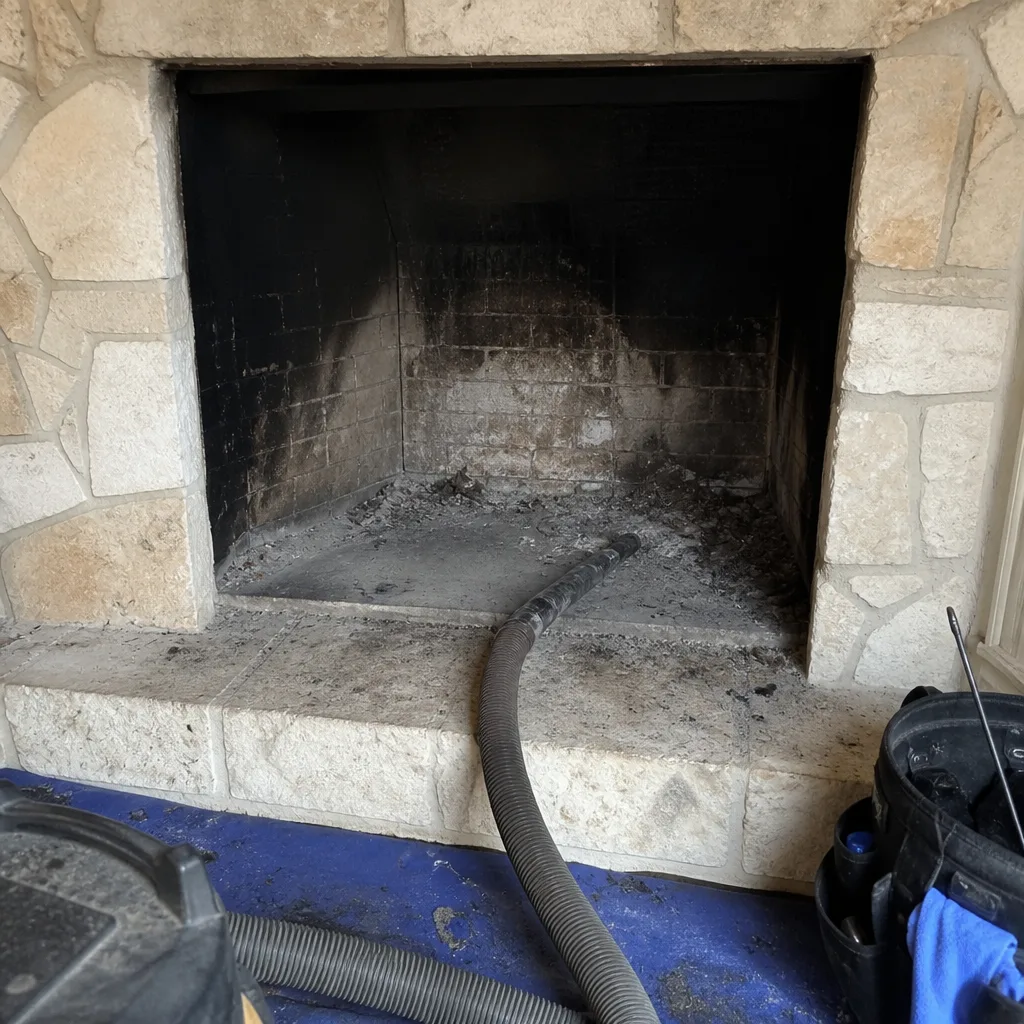
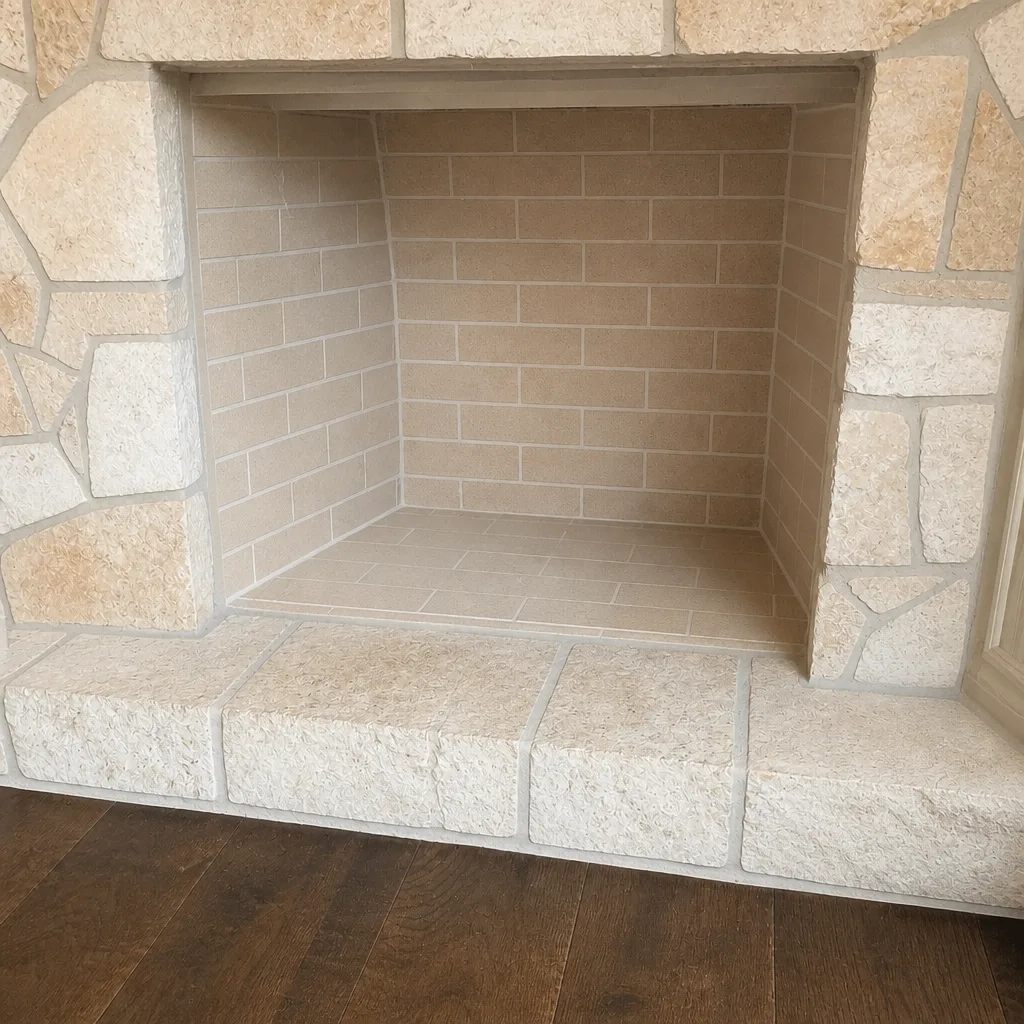
See the difference
 Before
 After
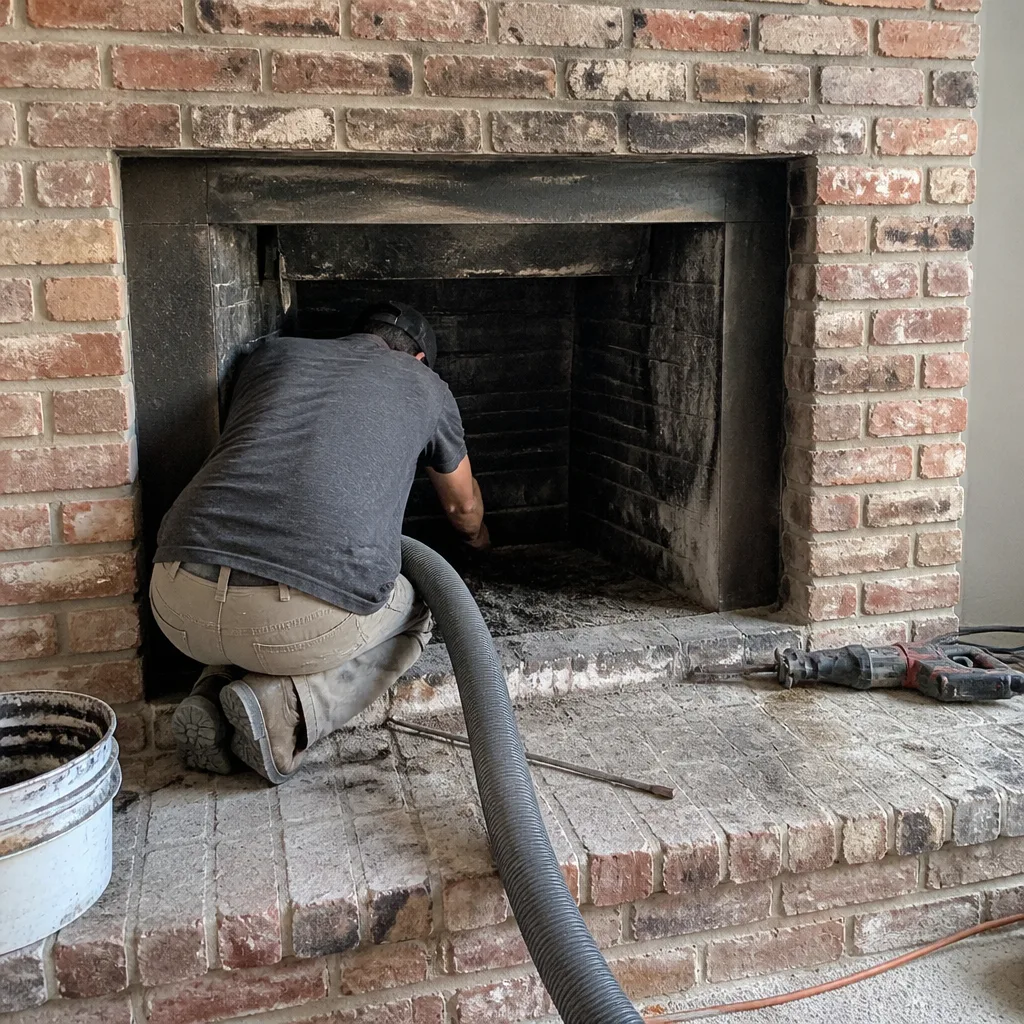 Before
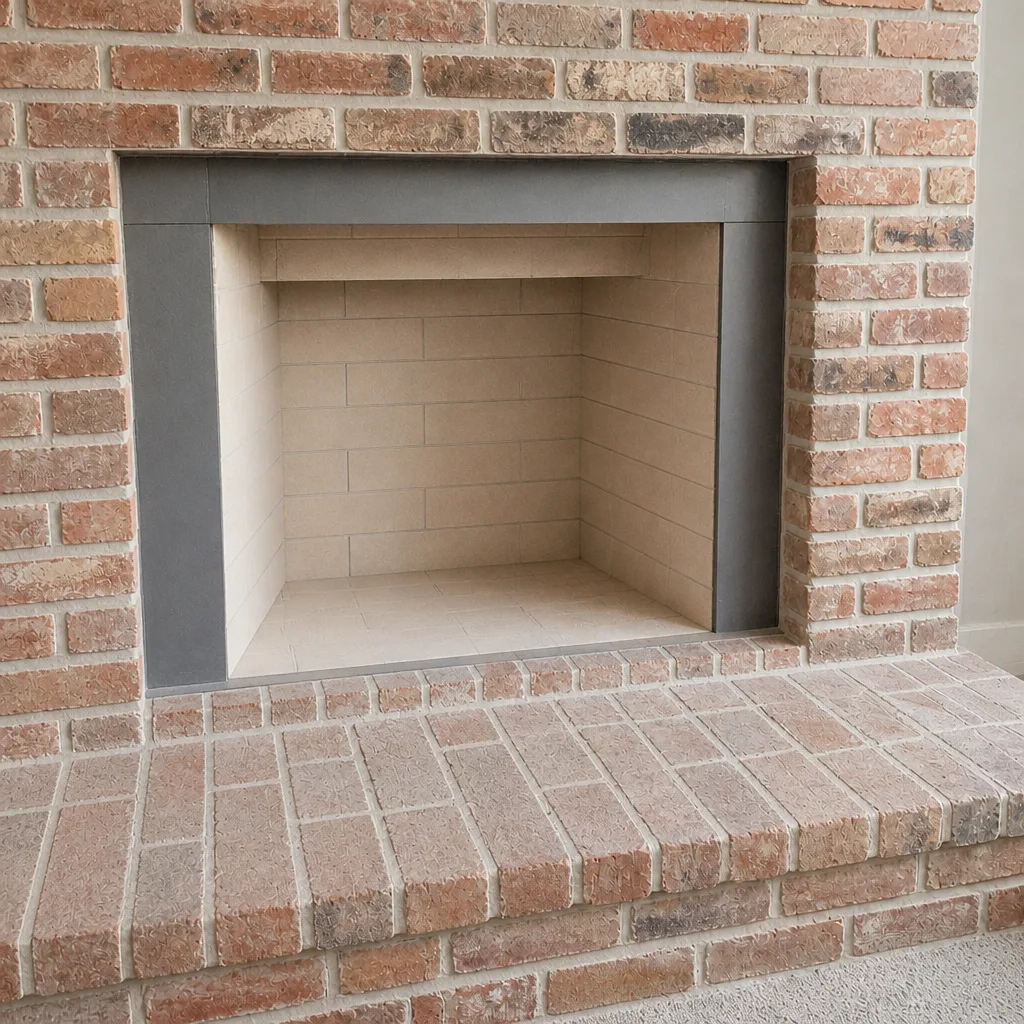 After
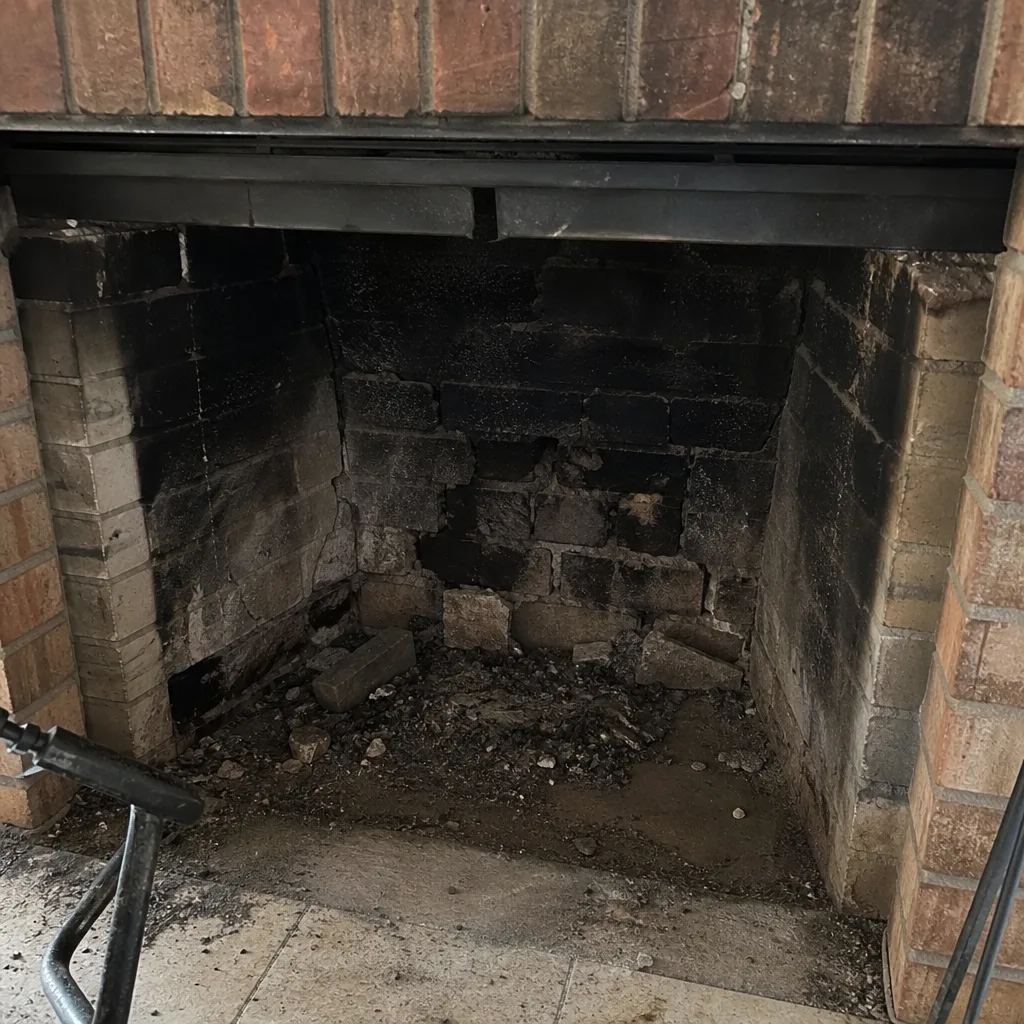 Before
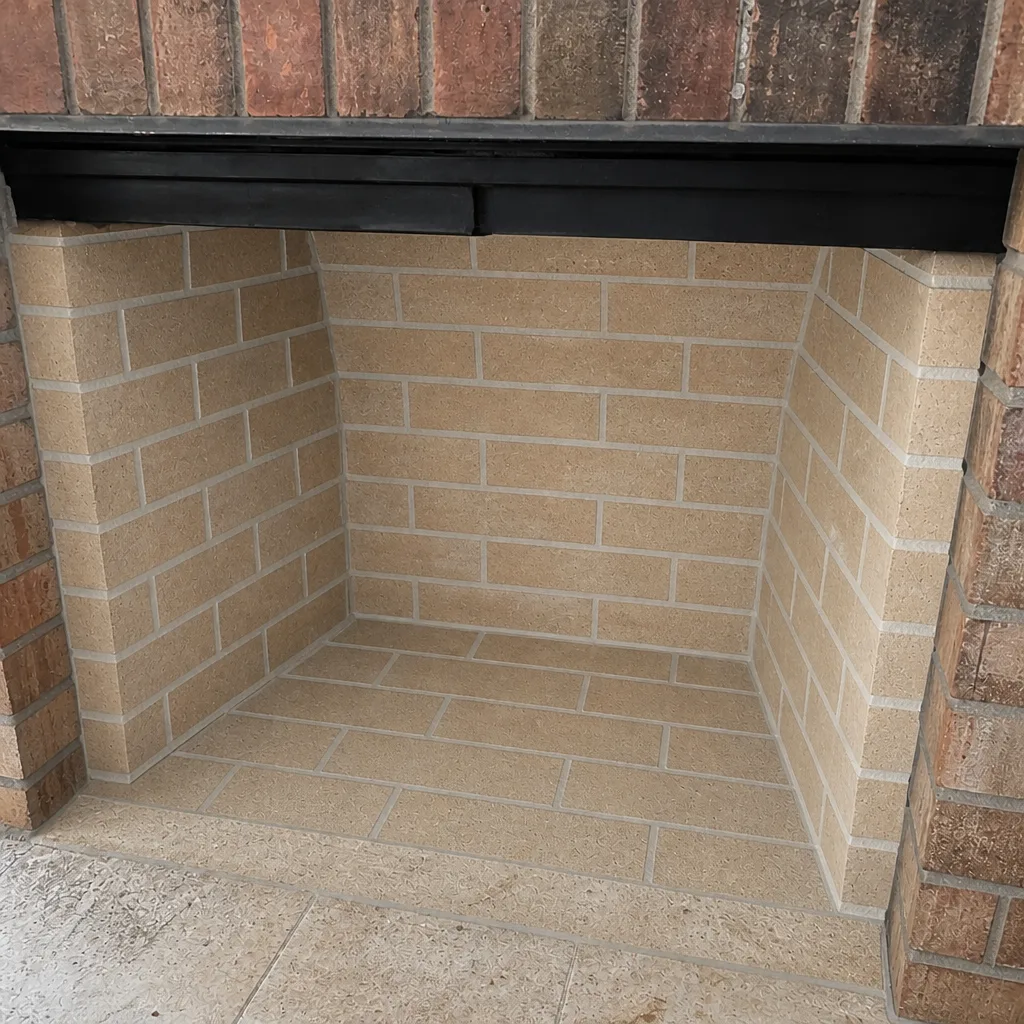 After
How Much Does Chimney Inspection Cost in Lakewood?
A typical Level 1 inspection in Lakewood runs in the lower end of the range, while a Level 2 with camera inspection costs more because of the extra equipment and time involved. Exact pricing depends on the type of inspection, the size and configuration of your chimney, and how accessible the flue and any concealed areas are. A camera inspection on a straightforward flue is on the lower end; a Level 3 that requires opening up building components is substantially more because it’s essentially a construction task before the inspection even begins.
A few things affect the price you’ll see. The inspection level is the biggest factor, since a Level 1 and a Level 3 are very different jobs. Chimney height, the number of flues if you have a multi-flue system, and whether there’s a liner already in place all play a role. Roof pitch and how easy it is to access the crown can matter too.
How to avoid overpaying: get the inspection level specified up front, ask whether the report includes photos, and be wary of anyone who recommends a repair before they’ve shown you camera evidence. We put everything in writing so the estimate sets the final price, and nothing is recommended without documentation you can see for yourself. If your chimney can safely wait a season, we’ll say so rather than pushing work you don’t need.
Chimney Inspection Near Lakewood – Our Service Area
We schedule chimney inspections across Lakewood and the surrounding neighborhoods, including East Dallas, Highland Park, University Park, White Rock, Lochwood, Forest Hills, and Casa View, plus Uptown, Bluffview, Lake Highlands, and Preston Hollow. Because we’re chimney-only and local to the area, getting an inspection onto the calendar is straightforward. For nearby communities, our chimney inspection service covers the same documented, camera-based approach. If you’re just outside these areas, call and we’ll let you know when we can get to you.
Serving Lakewood, TX – Our Local Coverage Area
We serve Lakewood and nearby communities. Use the map below to see the area we cover. If you’re nearby, we can almost certainly help.
Frequently Asked Questions – Chimney Inspection in Lakewood
A chimney inspection is a professional assessment of your chimney’s condition, from the firebox and flue up through the cap and crown, to confirm it’s safe to use. It’s different from a sweep, which removes creosote; the inspection is what tells you whether the system is sound and what, if anything, needs repair. We offer six types, from basic visual checks to full camera-based examinations. Call (888) 839-3160 for an exact quote and to figure out which level your chimney needs.
A Level 1 inspection typically takes under an hour, while a Level 2 with camera usually runs longer depending on the flue’s condition and accessibility. A Level 3, which may involve opening up concealed areas, takes considerably longer. We’ll give you a realistic time estimate when you book so you can plan your day. Call (888) 839-3160 to schedule.
Cost depends on the inspection level: a Level 1 is the least involved, a Level 2 with camera is more, and a Level 3 is the most because of the work required to access hidden areas. The written estimate sets the final price, and there’s no charge for the estimate itself. We’ll tell you which level you actually need rather than defaulting to the most expensive option. Call (888) 839-3160 for an exact quote; estimates are free.
Yes, we work with DuraFlex liners and HeatShield flue resurfacing, along with Famco and Copperfield components. That means our inspection findings are grounded in how these specific products perform, including their known wear points. If a repair is needed, we can handle it in-house rather than handing you off to a second contractor. Call (888) 839-3160 to talk through your system.
Same-day service is often possible depending on the schedule, so it’s worth calling to check. We answer 24/7, and fast dispatch runs from 7am to 7pm, Sunday through Friday. A call outside dispatch hours is booked into the next opening. Call (888) 839-3160 to see what’s available.
We stand behind our work, and any warranty terms are explained in writing as part of your estimate so there’s no ambiguity. Because the same company that inspects also does the repair, there’s one point of accountability for the whole job. Ask us about the specifics when we quote your work. Call (888) 839-3160 for details.
Clear the area around the fireplace and hearth so we have room to work, and make sure we can reach the firebox and any attic or crawlspace access. If you know the last time the chimney was swept or inspected, have that handy, along with any history of chimney fires or repairs. Beyond that, you don’t need to do anything special. Call (888) 839-3160 to book your inspection.
Schedule Your Chimney Inspection Service in Lakewood Today
If your chimney hasn’t been inspected in a while, or you’ve spotted any of the warning signs above, the right move is a documented inspection from a chimney-only specialist. We’ll check the whole system, show you the camera footage, and tell you honestly what needs fixing now and what can wait. Call (888) 839-3160 for a free, no-obligation estimate. We answer 24/7, with fast dispatch from 7am to 7pm, Sunday through Friday. You can also learn more about our full range of services on the Lakewood Chimney Sweep Pros home page, or explore our chimney inspection page for nearby homeowners. One provider from the firebox to the cap.
Written by the team at Lakewood Chimney Sweep Pros.