
Last updated November 25, 2026
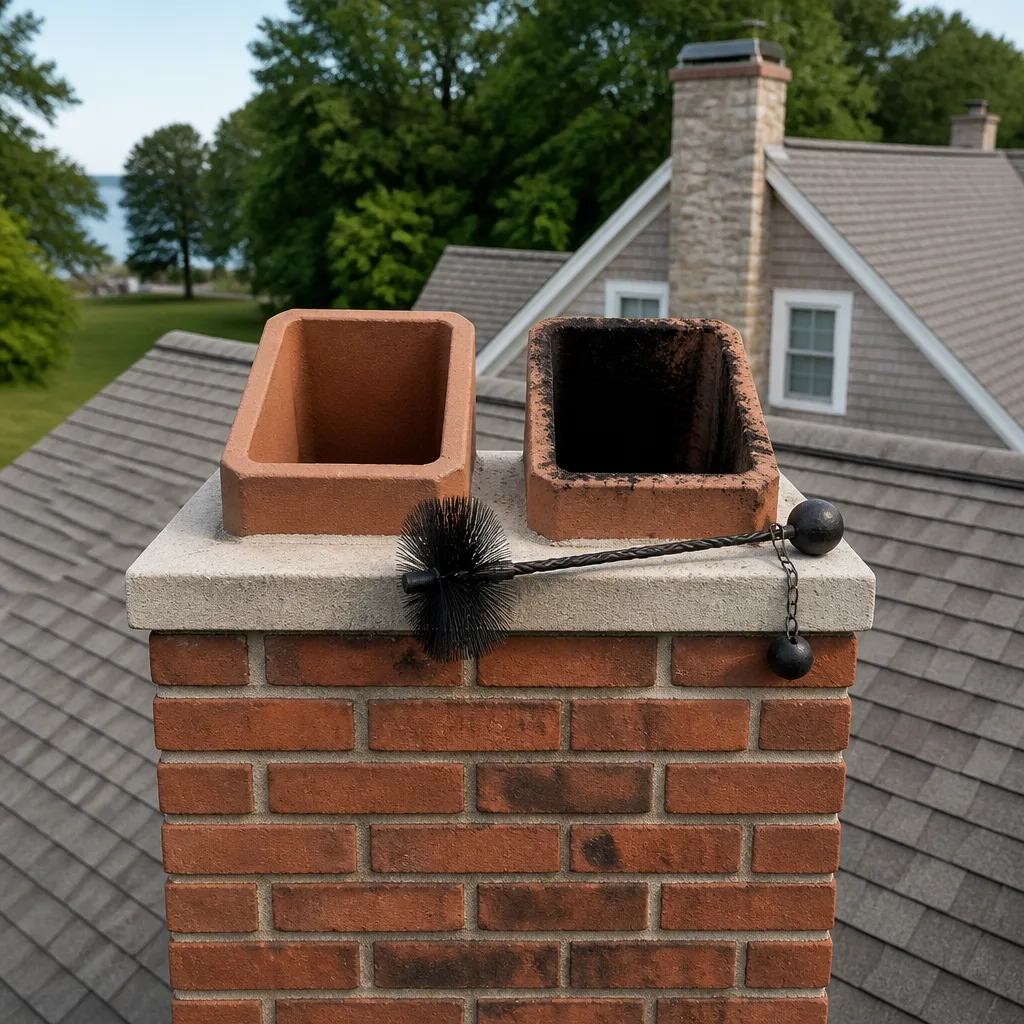 Sweep & inspection
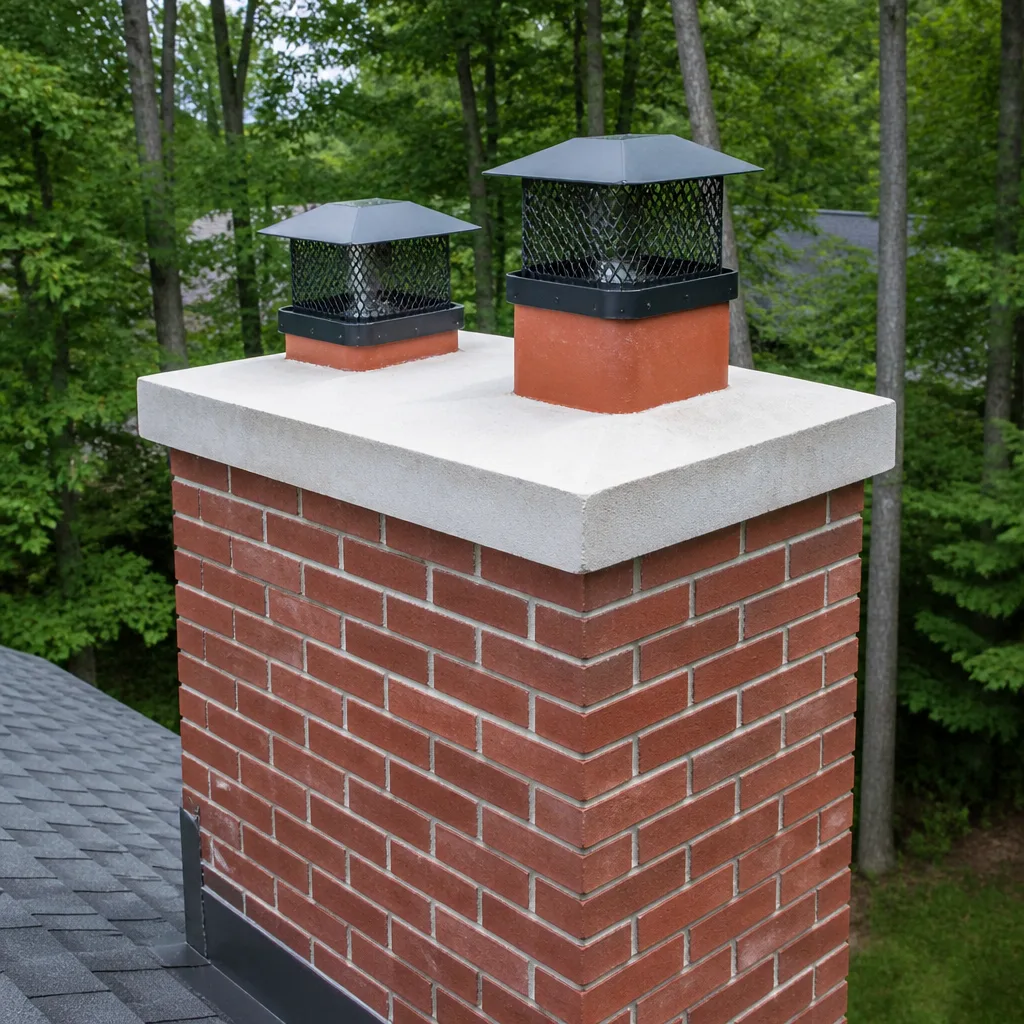 Caps & crowns
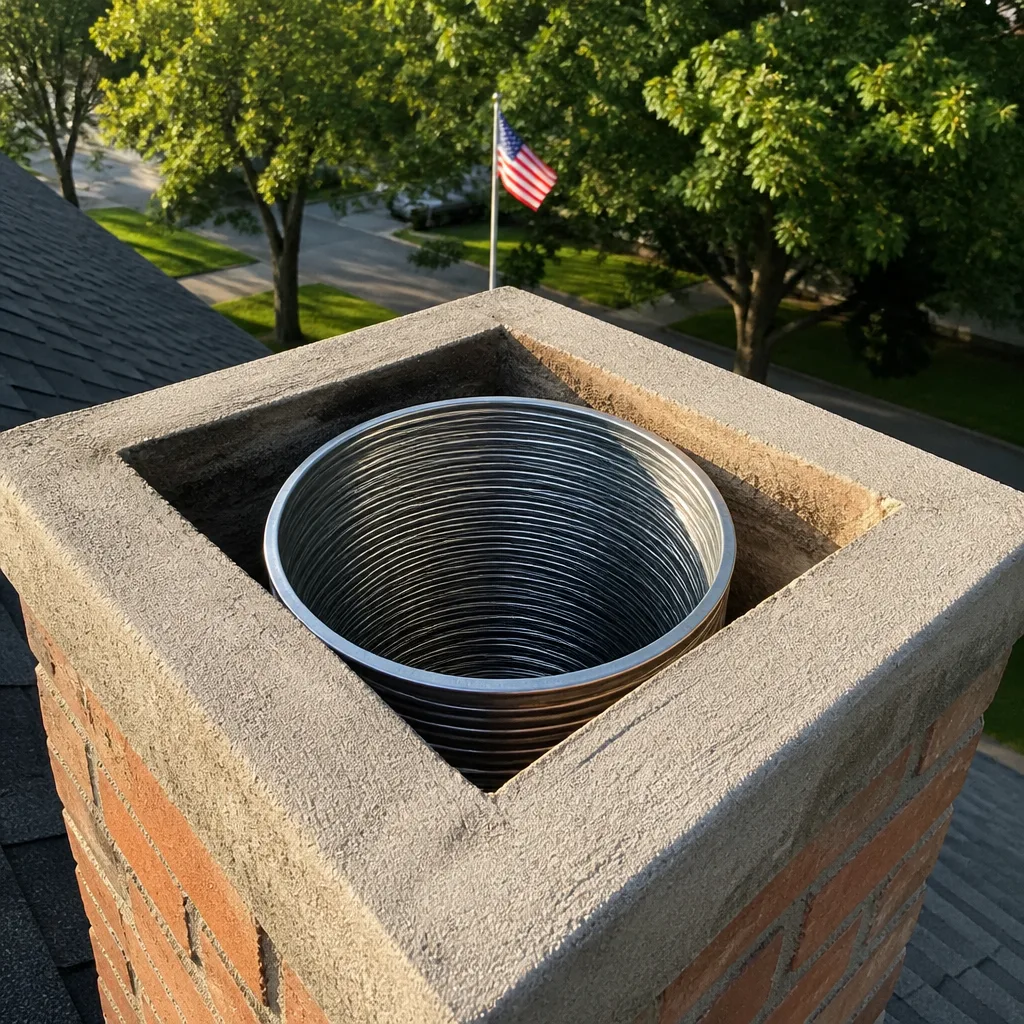 Flue relining
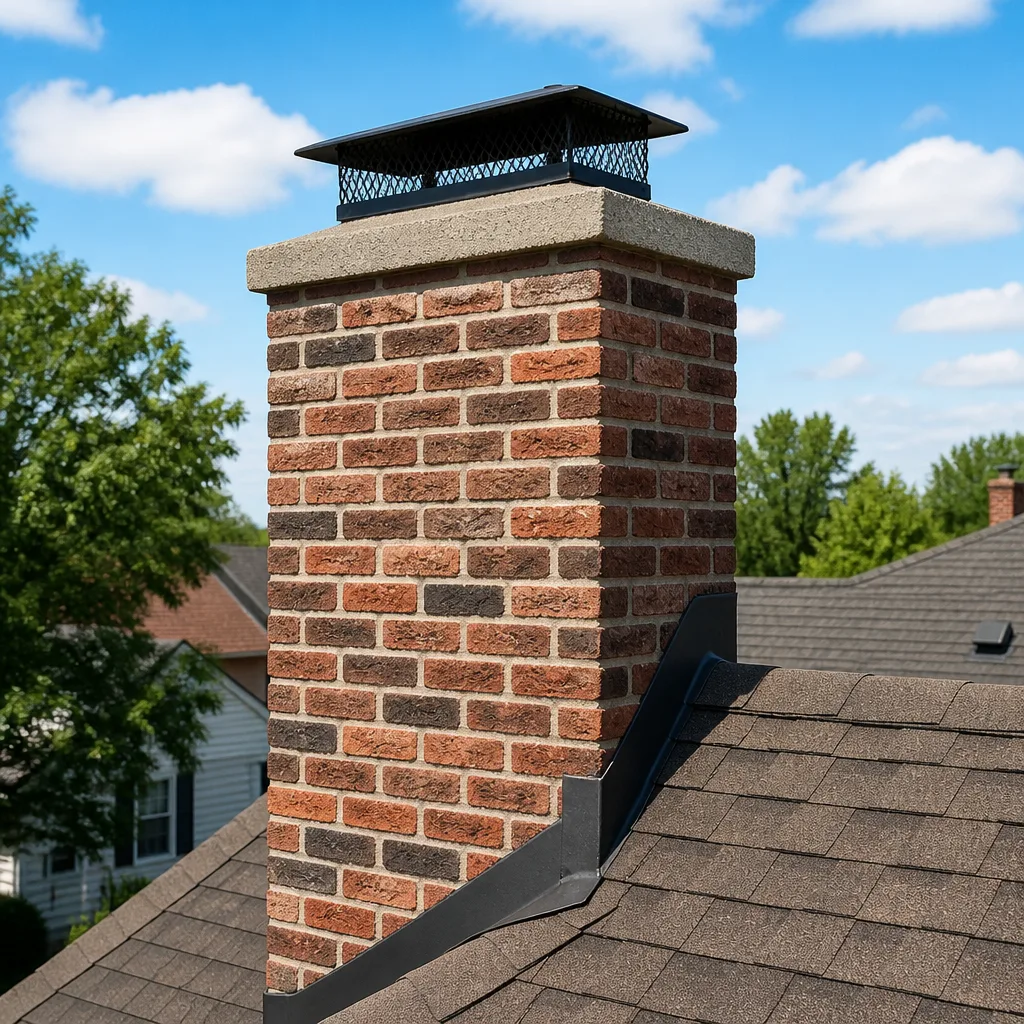 Masonry repair
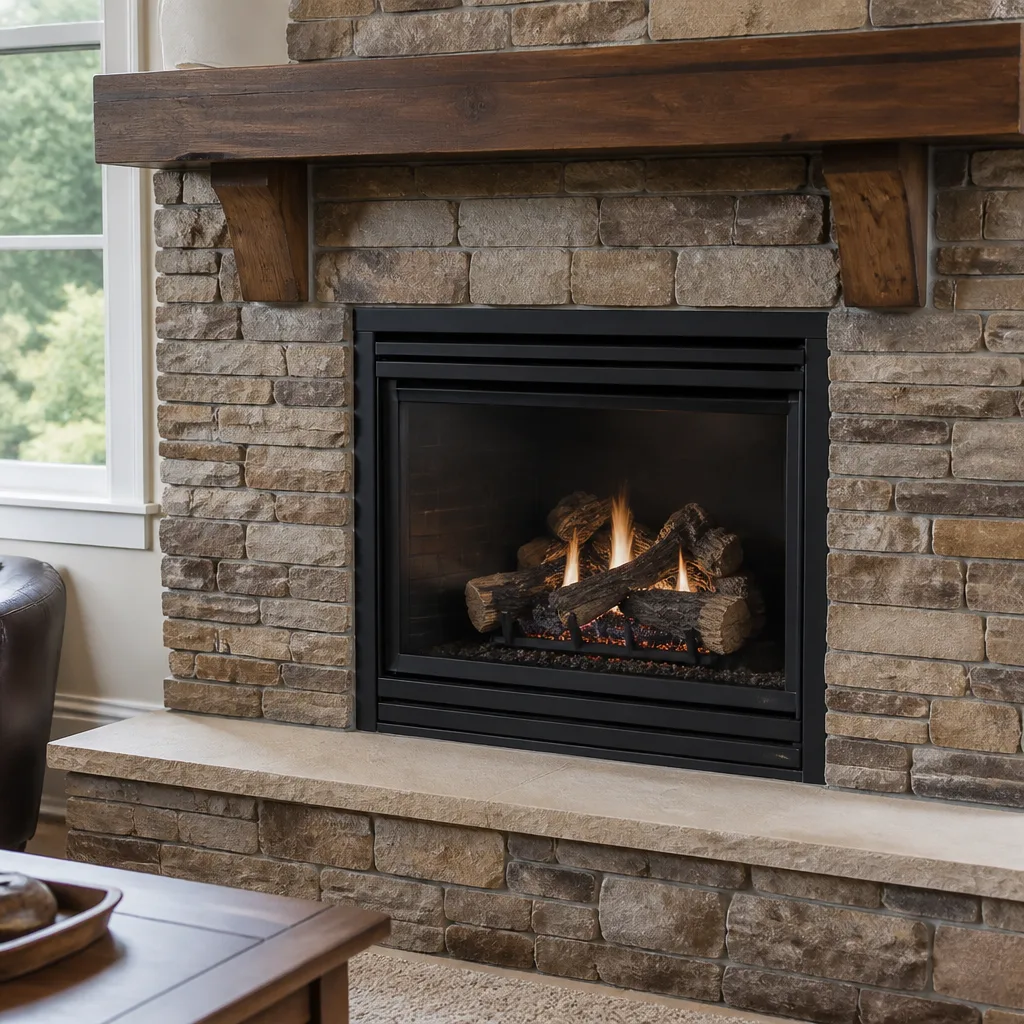 Gas fireplace service
Level 1 sweep and inspection to the NFPA 211 annual standard - flue, crown, cap, and flashing checked and photographed
Chimney sweep logs do not sweep chimneys. They loosen some creosote - which then falls where a brush and vacuum still have to collect it.
How to Hire a Chimney Cleaning Contractor in Lakewood: A Step-by-Step Guide
In Texas, no state license is required to pick up a chimney brush and call yourself a sweep. That single fact changes the whole hiring conversation. There’s no state registry to check, no license number that proves competence, which means the credential conversation has to start before you ever ask for a quote. Most homeowners in Lakewood shop on price first and credentials last. The smart ones flip that order. This guide walks you through exactly how to vet a chimney cleaning contractor in Lakewood: what credentials to ask about, what questions to put on the table before you book, how to read a quote line by line, and the red flags that show up in this market more often than anyone would like.
Quick Answer
Hire a chimney cleaning contractor in Lakewood by verifying industry credentials (CSIA Certified Chimney Sweep or NFI certification), confirming the company is chimney-only rather than a generalist, asking which inspection level they perform, checking for liability insurance and workers’ comp, and reviewing the quote for line items that signal a thorough scope. Price matters, but credentials and scope matter more.
Styles & brands we work with
- Sweep & inspection
- Caps & crowns
- Flue relining
- Masonry repair
- Gas fireplace service
Table of Contents
- Why Credentials Matter More in Texas Than Anywhere Else
- What CSIA and NFI Credentials Actually Test For
- Questions to Ask Before You Book
- How to Read a Chimney Cleaning Quote Line by Line
- Why Chimney-Only Specialists Diagnose Differently
- Red Flags in the Lakewood and DFW Market
- The Three Levels of Chimney Inspection, Explained
- Common Mistakes to Avoid
- When to Call a Professional
- Frequently Asked Questions
Why Credentials Matter More in Texas Than Anywhere Else
In most states, a chimney sweep operates under some form of oversight. Texas is different. There’s no state license for chimney work, which means anyone with a brush and a ladder can print a business card and show up at your door. Some are excellent. Some are not. And you can’t tell which is which from a website or a truck wrap.
That’s why third-party credentials carry so much weight here. A CSIA Certified Chimney Sweep has passed an exam administered by the Chimney Safety Institute of America, a nonprofit that tests on code, venting, combustion safety and inspection procedure. NFI certification comes through the National Fireplace Institute and focuses on hearth appliance installation and venting. Neither is required by Texas law. Both signal that a technician has voluntarily submitted to outside testing and continues to hold that credential.
Here’s the practical consequence: when you hire an uncredentialed sweep in Lakewood, you have no independent way to verify competence. When you hire a credentialed one, you have a third party doing that verification for you. That difference is worth more than the spread between the cheapest quote in Lakewood and a fair one.
Ask any contractor you’re considering two direct questions: are you CSIA certified, and can you show proof? A credentialed sweep answers without hesitation. A generalist working chimneys as a side service usually can’t answer at all.
What CSIA and NFI Credentials Actually Test For
Most homeowners have heard the acronyms without knowing what’s behind them. Here’s what each credential actually covers.
CSIA Certified Chimney Sweep
The CSIA exam covers the working knowledge a sweep needs to do the job without creating risk: how wood and gas appliances vent, how to size a flue to an appliance, how to identify creosote levels and what each demands, how to inspect a chimney to industry standards, and how to spot the failure modes that lead to chimney fires or carbon monoxide problems. Certified sweeps are also bound by a code of ethics and renew the credential through continuing education.
What the exam doesn’t do is turn a sweep into a repair contractor. But it does mean the person in your home has been tested on the venting system as a whole, not just on how to run a brush.
NFI Certification
The National Fireplace Institute certifies technicians on hearth appliances: wood, gas and pellet. The certification tests knowledge of how each appliance type vents, what installation clearances apply, and how to match an appliance to a venting system safely. If you have a gas fireplace insert or a wood stove in Lakewood, NFI credentials tell you the technician understands that specific appliance, not just masonry chimneys.
Why Generalists Rarely Hold Either
A handyman service or HVAC company that adds chimney sweeping as a sideline has no real incentive to pursue CSIA or NFI credentials. Those certifications are chimney-specific and require ongoing education in a single field. Generalists spend their credential time elsewhere. That’s the tell: when a company advertises chimney sweeping alongside fifteen other trades, the credentials probably aren’t there.
Chimney-only specialists hold them because the entire business depends on chimney expertise. That focus shows up in what gets diagnosed, and sometimes in what doesn’t get missed.
Questions to Ask Before You Book
This is the part most homeowners skip. A five-minute phone conversation with the right questions saves you from most of the bad outcomes that follow a rushed booking. Put these on the table before you schedule.
- Are you CSIA certified or NFI certified? Ask for the name of the certified technician who will actually be in your home, not just the company name.
- What level of inspection do you perform? The standard sweep visit should include at least a Level 1 inspection of the accessible portions of the chimney. Some situations call for Level 2 or Level 3.
- Which brands do you use for repairs and liners? A chimney specialist works with recognized professional brands like DuraFlex, HeatShield, Gelco or Copperfield. Vague answers like “good materials” are a warning sign.
- Do you carry liability insurance and workers’ comp? Ask for a certificate of insurance. A company that hesitates on this question is a company that isn’t covered, and you’re exposed if something goes wrong on your roof.
- Do you do the repairs yourselves, or do you hand them off? Single-provider accountability means the person who found the problem also fixes it.
- Will I get photos or video of what you find? A camera inspection with a photo report lets you see the actual condition of the flue, not just take a technician’s word for it.
- How is the price set? You want an upfront quote based on scope, with the final written estimate before any work begins.
Any company worth hiring answers these without flinching. The ones that get defensive or vague on questions two through five are telling you something important.
How to Read a Chimney Cleaning Quote Line by Line
A quote is a scope document. It tells you what the contractor intends to do, what they intend to check, and what they’re leaving out. Reading it closely is how you separate a thorough sweep from a minimum-effort one that leaves the system in unknown condition.
Here’s what a thorough chimney sweep quote in Lakewood typically lists as separate line items:
- Inspection scope: which level of inspection is included, and which portions of the chimney are accessible
- Sweep of the flue: the specific appliance or appliances being swept, not just “chimney sweep” as a lump term
- Firebox and smoke chamber cleaning: these areas collect creosote and debris that a flue-only sweep won’t touch
- Damper check: whether the damper opens, closes and seals properly
- Cap and crown visual assessment: whether the top of the chimney is intact and properly covered
- Camera inspection: if included, note whether photo or video documentation is part of it
- Disposal: how the soot and debris are removed and whether the work area is protected
A quote that says only “chimney sweep – $X” with no breakdown is a quote with an undefined scope. You don’t know what’s being checked and what isn’t. Ask them to itemize.
Watch for the reverse problem too: a quote that pre-loads a repair line item before the technician has even inspected your chimney. You can’t scope a repair you haven’t diagnosed. If the quote includes “liner replacement” before anyone has been on the roof, that’s not a quote, it’s an upsell.
When you’re ready to compare scopes, a straightforward sweep in Lakewood is the baseline, and the full picture of your chimney’s condition comes from what the sweep discovers. For a clear explanation of what that visit should cover, see our page on chimney sweep services.
Why Chimney-Only Specialists Diagnose Differently
Scope of practice shapes what gets caught. A general contractor or HVAC company treating chimneys as a side service looks at what they know: the firebox, the visible flue, maybe the appliance. A chimney-only specialist looks at the whole system from the firebox to the cap, because that’s the only thing they do.
What that means in practice:
- A generalist may sweep the flue and call it done. A chimney specialist checks the smoke chamber, the damper, the crown, the flashing and the cap in the same visit.
- A generalist may identify a cracked flue tile as “cosmetic.” A chimney specialist recognizes it as a pathway for heat and gases into the structure.
- A generalist may not know that a flue liner’s condition affects how the appliance drafts. A chimney specialist tests for it.
- A generalist may hand off any repair to a mason or a roofer. A chimney specialist either does the repair or explains exactly why it needs a different trade.
This is why the “one provider” model matters in Lakewood. When the same company inspects, sweeps and repairs, findings aren’t handed off and ignored. The person who finds the problem owns the solution. That accountability is the reason we built our Lakewood Chimney Sweep Pros practice around full-system coverage rather than a single service.
Liner restoration is a case in point. HeatShield is a resurfacing system that restores a deteriorating flue liner from the inside, which is a different scope than replacement. Sweep-only providers can’t offer it. Chimney specialists can, and knowing when restoration is appropriate versus when a full reline with DuraFlex is the right call is part of that diagnostic expertise.
Red Flags in the Lakewood and DFW Market
The DFW chimney market has a few patterns that catch homeowners off guard. Most aren’t unusual to the trade in general, but they show up in Lakewood often enough to name.
Door-to-Door Upsell Scams
An unsolicited knock offering a “free chimney inspection” while the truck is already in the neighborhood is a warning sign. Legitimate chimney companies book inspections. They don’t cruise subdivisions looking for work. The pattern that follows usually involves a dramatic finding, a high-pressure repair estimate, and an insistence on a decision today.
Bait-and-Switch Pricing
A very low advertised sweep price that grows once the technician is in your home is the oldest one in the book. The quote should be the price. If the price changes after the technician arrives, ask what specifically changed and why it wasn’t in the original scope.
Pressure to Approve Same-Day Structural Repairs
Real chimney repair is rarely an emergency decision. If a technician tells you the chimney needs immediate structural work and pushes you to sign today, slow down. Get the scope in writing, ask for photos or video, and get a second opinion if you’re uncertain. A genuine safety issue is explained clearly with evidence, not with a deadline.
No Written Scope
Any contractor who won’t put the scope and price in writing before starting work is one to walk away from. The written estimate is your protection.
Generalist Companies Advertising Chimney Work
A company that does gutters, roofing, HVAC and chimney sweeping is a company that does none of them with full focus. For a chimney, that focus matters more than in most trades, because the failure modes are safety failures, not cosmetic ones.
No Insurance Documentation
If a company can’t produce a certificate of insurance, that’s a hard stop. Work on a roof involves real risk, and you don’t want to be the one holding it.
The Three Levels of Chimney Inspection, Explained
Not every chimney visit involves the same inspection. The industry standard recognizes three levels, and knowing which one you’re getting is part of vetting a contractor.
- Level 1: A visual inspection of the accessible portions of the chimney and venting system, with the appliance connected. This is the standard inspection that accompanies a routine sweep. It covers what’s visible without tools or access to concealed areas.
- Level 2: Everything in Level 1 plus a closer examination of accessible areas using video or camera equipment, and access to concealed portions like the attic, crawlspace or chimney exterior. A Level 2 inspection is appropriate after a chimney fire, after a change in appliance or fuel type, after a property transfer, or when a Level 1 turns up something that needs a closer look.
- Level 3: Everything in Level 2 plus access to concealed areas that require removing parts of the chimney or building structure. Level 3 is rare and only performed when a serious hazard is suspected and cannot be assessed any other way.
Most routine chimney sweeps in Lakewood involve a Level 1 inspection. If a contractor can’t tell you which level they perform, that’s a problem. If they can’t explain when Level 2 is appropriate, that’s a bigger one.
Camera inspection is the practical difference-maker at Level 2. A photo or video report lets you see the flue condition yourself, which is the answer to the most common concern homeowners have: being told they need work they can’t verify. Nothing should be recommended without evidence you can see.
If a chimney cap is missing or damaged, that’s a finding worth acting on for preventive reasons, not just structural. Our chimney cap & crown page explains what proper coverage looks like and when it protects the flue from the inside out. For firebox and damper concerns that come up during inspection, fireplace repair covers the repair side of the same system.
Common Mistakes to Avoid
- Booking on price alone. The cheapest quote in Lakewood often means the thinnest scope. Compare what’s actually included, not just the bottom line.
- Not asking about credentials. In a state with no license requirement, credentials are the only outside verification you have. Ask for CSIA or NFI certification and confirm the name of the technician who will be in your home.
- Skipping the insurance question. Request a certificate of insurance for both liability and workers’ comp. A contractor working on your roof without coverage leaves you exposed.
- Accepting a vague quote. A single-line “chimney sweep” quote doesn’t tell you what’s being checked. Ask for an itemized scope before you book.
- Approving repairs without seeing the evidence. Any recommendation for liner or masonry work should come with photo or video documentation you can review. If you can’t see the problem, don’t act on it yet.
- Hiring a generalist for a specialist’s job. A handyman or HVAC company treating chimneys as a sideline won’t catch what a chimney-only specialist catches. The system’s failure modes are too specific to most trades.
- Ignoring the cap and crown. A missing or damaged cap lets water, debris and animals into the flue. It’s one of the least expensive preventive items on the list and one of the most commonly overlooked.
When to Call a Professional
Some chimney work is genuinely a call-now situation. Others can wait for a scheduled booking. Here’s how to sort them.
Call right away if you smell a strong creosote odor inside the home, if smoke backs into the room when you light a fire, if you’ve had a chimney fire (even a small one), if you see cracked or crumbling masonry on the exterior, or if you’re buying a home and need an inspection before closing. If you’ve never had the chimney inspected and you’ve been burning wood for several seasons, that’s also a call-now situation, because the unknown condition is the risk.
Routine sweeps and cap assessments can wait for a scheduled booking. The seasonal nudge is burning season: getting a sweep done before you start regular fires means the flue is clear when you need it.
We answer 24/7. Fast dispatch from 7am to 7pm. Lakewood Chimney Sweep Pros offers free estimates in Lakewood – call (888) 839-3160 to book a visit or ask a question before you schedule.
Frequently Asked Questions
A routine chimney sweep in Lakewood is priced per job based on the scope of the visit, and you’ll get a written estimate before any work begins. What changes the price is what’s included: inspection level, whether the firebox and smoke chamber are cleaned, and whether a camera report is part of the visit. The written estimate is what sets the final price. Call (888) 839-3160 for an exact quote – estimates are free.
Not always, and that’s the key point. A liner needs replacement when it’s cracked, deteriorated beyond what resurfacing can address, or incorrectly sized for the appliance. A liner that has minor deterioration but is still structurally sound may be a candidate for HeatShield resurfacing instead. The decision should be based on what a camera inspection shows, and you should be able to see that evidence yourself before you approve anything. Call (888) 839-3160 to schedule an inspection – estimates are free.
Sweep a wood-burning chimney annually, or more often if you burn heavily. Gas appliances should still be inspected annually even though they produce no creosote, because venting problems and blockages can develop without the visible signs wood burning produces. The inspection catches what the sweep alone won’t. Call (888) 839-3160 to book a visit – estimates are free.
Creosote accumulates in the flue and is the fuel for chimney fires, and a blocked or damaged flue can let carbon monoxide back into the home. Skipping inspection also means structural problems, like a cracked crown or failing flashing, go undetected until they’re more expensive to fix. None of these risks is immediate on day one, but they compound. Call (888) 839-3160 for an inspection – estimates are free.
Look for recognized professional-grade chimney industry brands: DuraFlex for stainless liners, HeatShield for flue resurfacing, Gelco for caps and related components, and Copperfield for liner and venting products. These are the brands chimney specialists trust because they’re engineered for the specific loads and conditions a flue operates under. Generic substitutes don’t carry the same track record. If a contractor can’t tell you which brand they use, ask why. Call (888) 839-3160 to talk through your chimney’s needs – estimates are free.
Because the scope is different. A chimney-only specialist brings chimney-specific credentials, professional-grade materials and full-system diagnostic coverage from the firebox to the cap. A generalist brings cheaper labor and a thinner scope, which means more gets missed and more gets handed off. The comparison isn’t really price for price; it’s scope for scope. Call (888) 839-3160 to see what a full-scope visit includes – estimates are free.
The Bottom Line
Hiring a chimney cleaning contractor in Lakewood comes down to three things: credentials, scope and materials. No state license protects you here, so CSIA or NFI certification is your outside verification. A chimney-only specialist covers the whole system from the firebox to the cap, which means findings don’t get handed off or ignored. And professional-grade materials from brands like DuraFlex, HeatShield, Gelco and Copperfield are what keep the system built to code and built to last. Price matters, but scope and accountability matter more. When you’re ready to book a sweep or an inspection, call (888) 839-3160. We answer 24/7. Fast dispatch from 7am to 7pm.
Written by the team at Lakewood Chimney Sweep Pros.
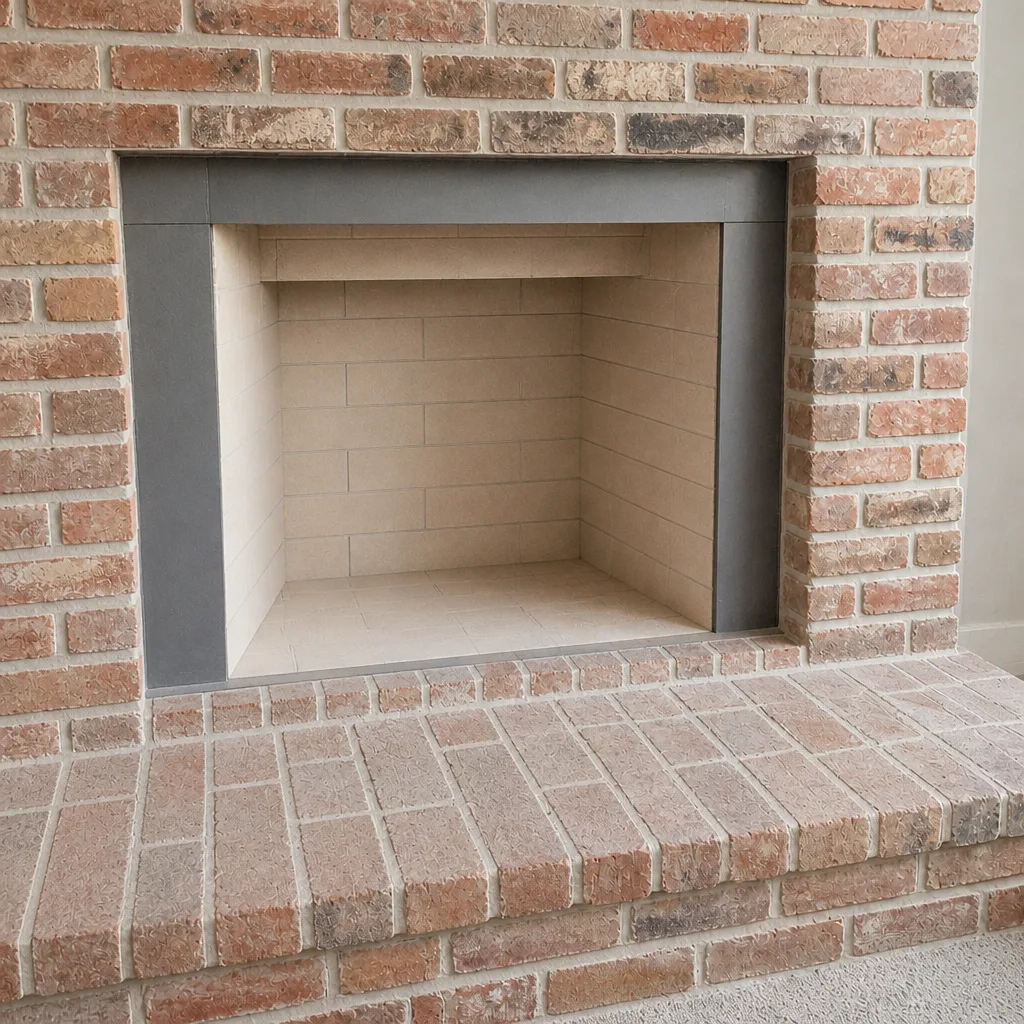
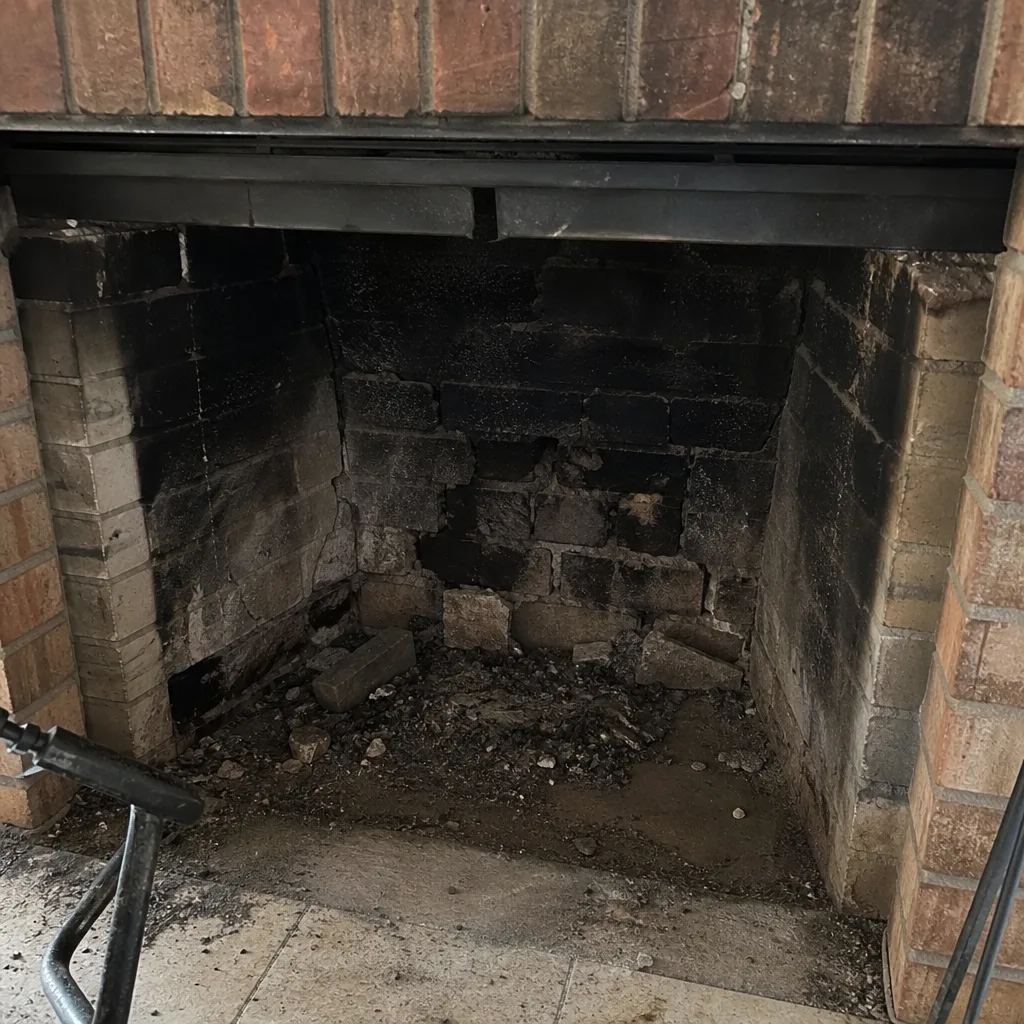
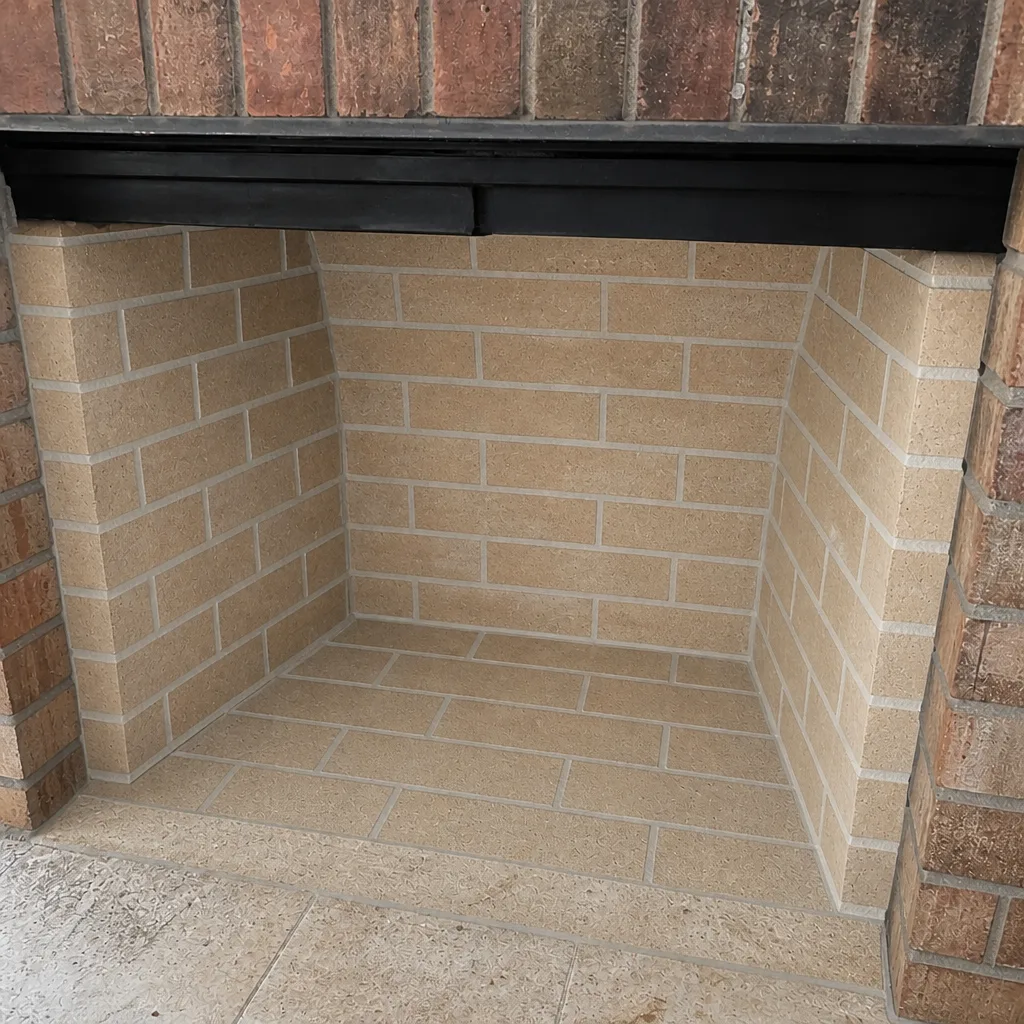
See the difference
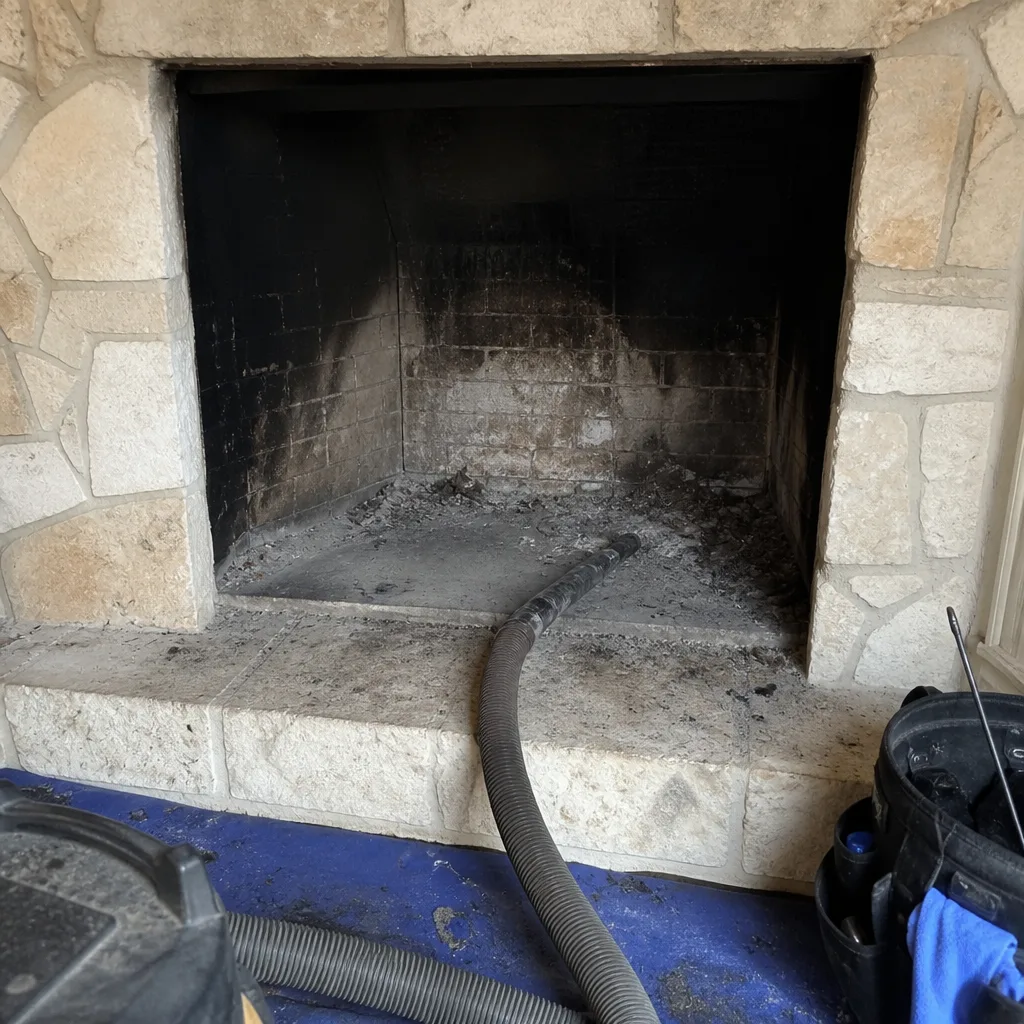 Before
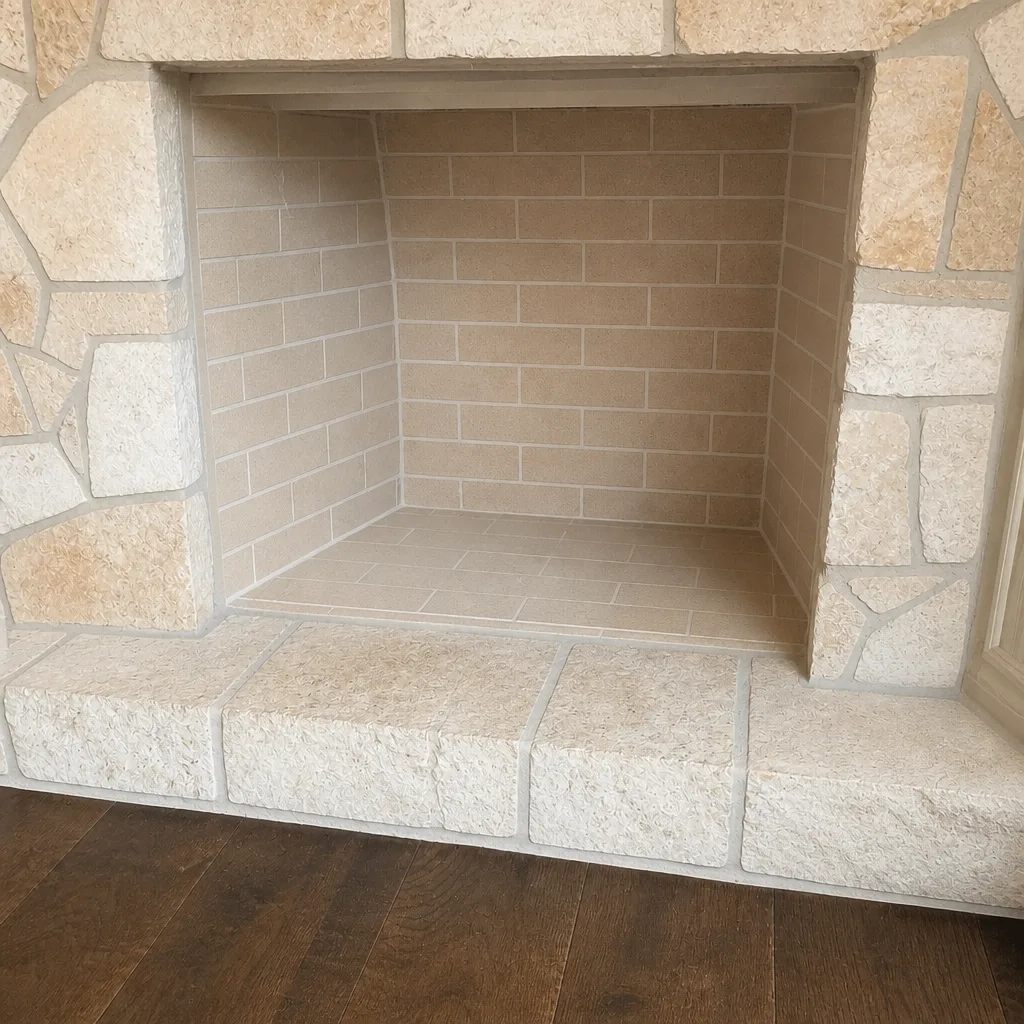 After
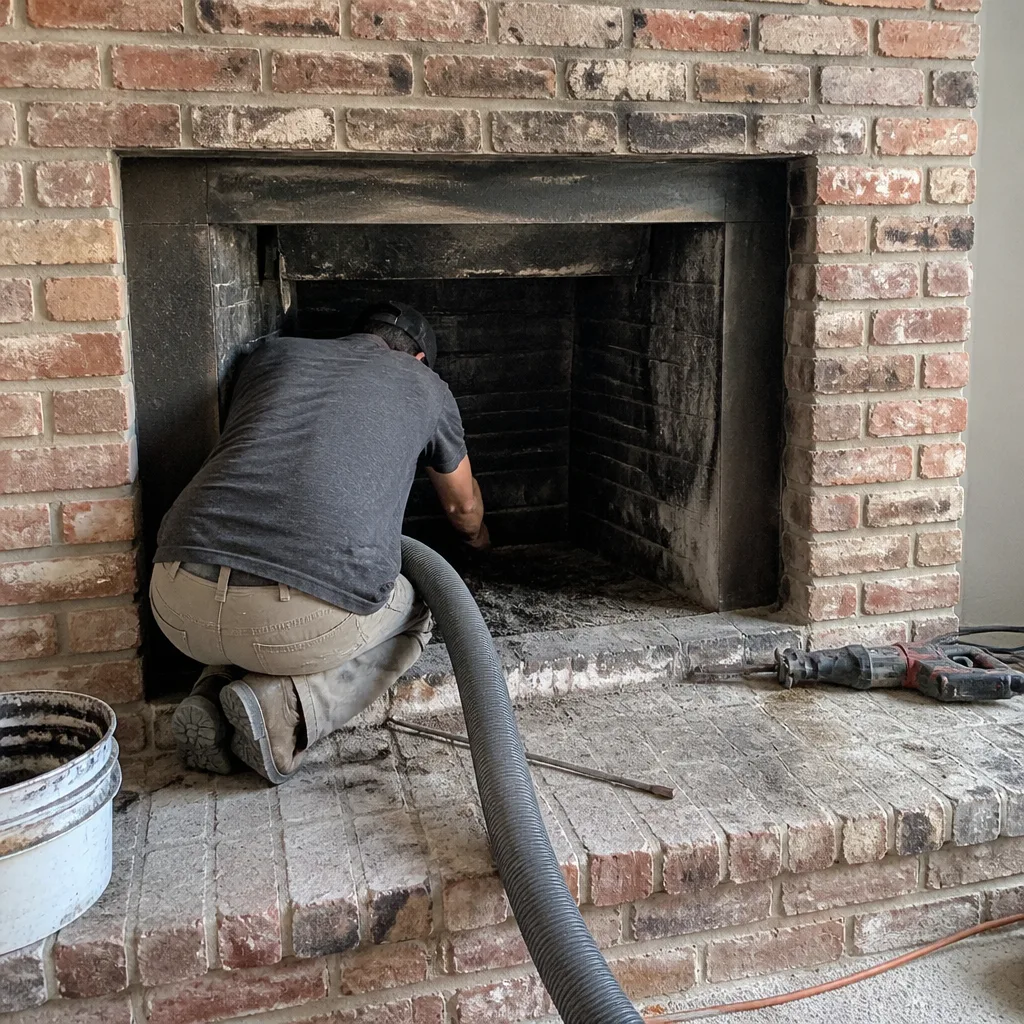 Before
 After
 Before
 After